


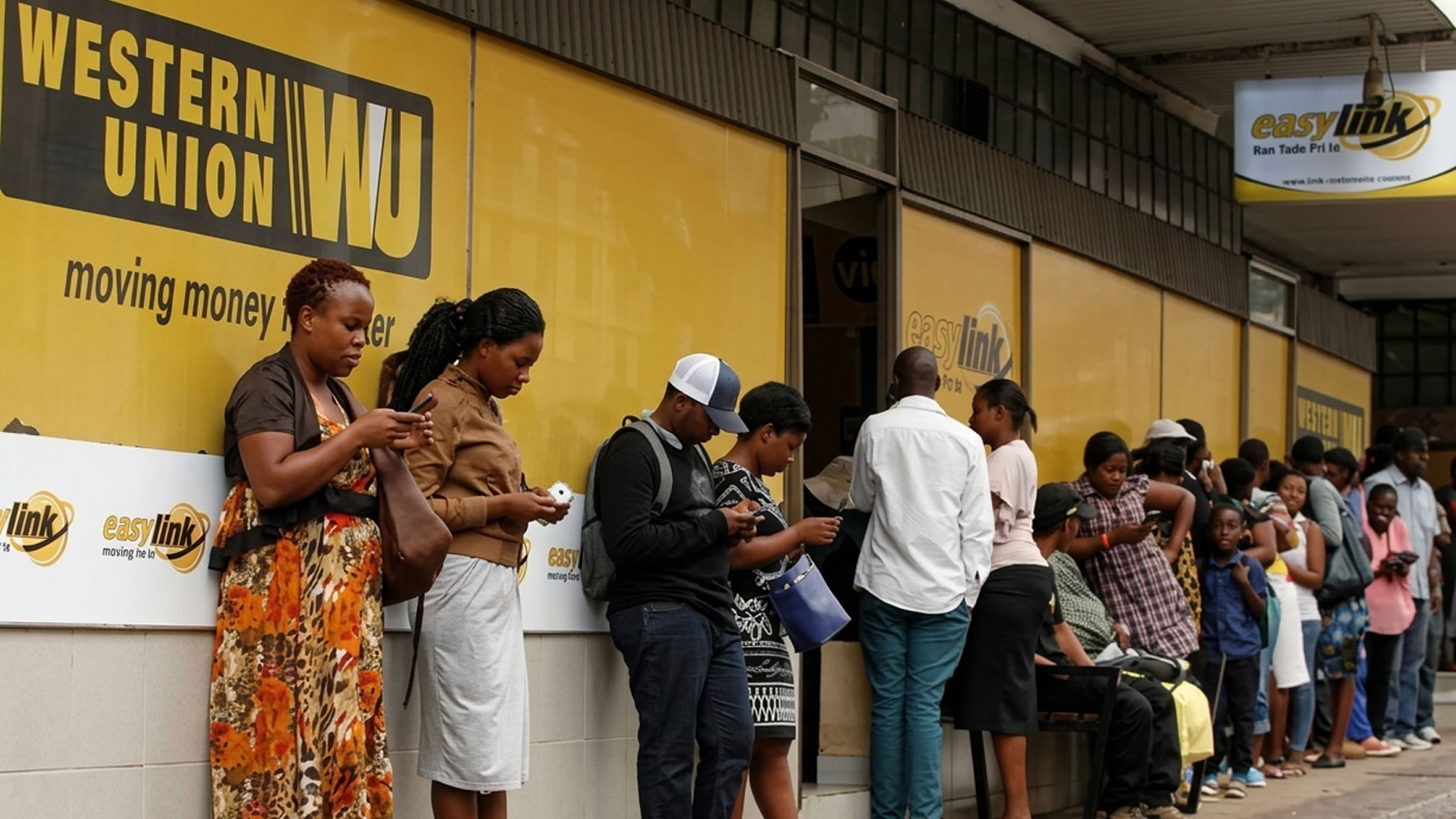
A silent revolution is unfolding across the Zimbabwean landscape, from the rolling hills of the Mashonaland countryside to the manicured lawns of Harare’s most exclusive suburbs. While the local economy continues to grapple with the complexities of currency shifts and inflationary pressures, a massive influx of “Diaspora Dollars” is fundamentally redrawing the nation’s socio-economic map. What began as a survival mechanism—remittances sent home for bread and school fees—has evolved into a coordinated investment surge that is positioning Zimbabweans living in the United Kingdom, the United States, and South Africa as the new “landlords of the nation.”
This report explores how the “Great Diaspora Takeover” is forging a starkly divided society: one where the “new elite” consists of those with access to foreign currency, while the local population finds itself increasingly marginalised. Through an analysis of data from real estate agencies, farming cooperatives, and government reports, it becomes clear that the diaspora is no longer merely “helping out” from afar. They are taking ownership, often at the expense of those who remained behind to build the country.
The Rise of the Gated Elite
The most visible evidence of this takeover is found in the luxury “gated communities” mushrooming around the capital. Developments such as Mabvazuva Phase 2 and Arlington East have become the primary targets for Zimbabweans abroad seeking a secure foothold in their homeland. In these enclaves, residential stands are selling for anywhere between $35,000 and $85,000—figures that are astronomical for the average local worker earning in the volatile local currency.
According to recent industry data, diaspora buyers now account for approximately 50 percent of all high-end residential property sales in Zimbabwe. This concentrated demand has triggered a “gentrification” of the local property market. In certain regions, land prices have surged by 20 to 30 percent year-on-year. For the local civil servant or teacher, the dream of homeownership is being pushed further out of reach by their own cousins in London or Manchester.
|
Property Sector Metric
|
Current Trend/Value
|
Impact on Local Market
|
|
Diaspora Share of High-End Sales
|
50%
|
Reduced inventory for local buyers
|
|
Annual Land Price Increase
|
20% – 30%
|
Pricing out of the middle class
|
|
Average Stand Price (Gated)
|
$35,000 – $85,000
|
Unattainable for local currency earners
|
|
Annual Remittances (2025)
|
$2.45 Billion
|
Primary driver of real estate liquidity
|
Economist Tashinga Kajiva notes that “Zimbabwe’s economy is marked by complex and, some would say, difficult dynamics. For ordinary citizens, disposable income remains low while the cost of living continues to rise. The marginal propensity to save among working-class citizens is also low, as many are living hand to mouth.” This disparity has created a two-tier property market where the only way to compete is to have a benefactor abroad.
The Blueberry Boom: Agriculture’s New Frontier
Beyond the city limits, the diaspora’s influence is reshaping the agricultural sector. Intensive blueberry farms in Mashonaland Central and Matabeleland are becoming the latest “gold mine” for foreign-based investors. Reports from the Zimbabwe Farmers Union indicate that 10 to 15 percent of new farm leases issued over the past three years involve diaspora-linked capital. Zimbabwe is rapidly emerging as a world leader in blueberry growth rates, fueled by international demand and the deep pockets of those living in the UK and South Africa.
Catherine Mutisi, a UK-based accountant who lived abroad for 17 years, is representative of this trend. While building two houses and acquiring a small plot, her perspective shifted from casual investment to permanent relocation. “Gradually, my mind and plans shifted from just visiting Zimbabwe towards wanting to permanently relocate,” she told Al Jazeera. “Previously, I was just building my houses for my family to get some money. But after watching the videos, my eyes opened.”
The “videos” Mutisi refers to are the work of a new generation of digital influencers like Kelvin Birioti, 20, and Kundai Chitima, 31. These content creators use social media to showcase investment opportunities, effectively acting as bridge-builders for a diaspora community that was previously cautious. Birioti, who dropped out of university due to financial challenges, identified a critical gap: “I saw a gap: the diaspora community was being scammed.” His content now provides grounded information that replaces the uncertainty of the past.
The Darker Side: Money Laundering and Exclusion
However, the rapid influx of capital is not without its controversies. Investigative digging reveals that the real estate boom is being exploited as a vehicle for money laundering. In a presentation delivered on March 13, 2026, a Zimbabwe Republic Police (ZRP) inspector explicitly detailed “How Real Estate Is Used To Launder Money.” The Financial Intelligence Unit (FIU) has set a June 2026 deadline for increased compliance, as authorities struggle to track the origins of the millions pouring into luxury developments.
Furthermore, there is growing resentment regarding the “fast-track” systems created to engage the diaspora. The government’s designation of the diaspora as the “11th Province” was intended to be a recognition of their economic contribution, but critics argue it has created a “conspiracy of exclusion.” While local entrepreneurs are often stifled by bureaucratic hurdles and a lack of access to credit, those with foreign passports find doors opening more easily.
Pardon Tapfumaneyi, the incoming chairman of the Zimbabwe Achievers Awards (ZAA) UK, recently stated: “The launch of the diaspora as the 11th province by His Excellency President Dr Mnangagwa is not symbolic. It is practical. It recognises that over three million Zimbabweans abroad send remittances, transfer skills and carry Zimbabwe’s name into boardrooms and parliaments worldwide.” While the government encourages the diaspora to “not wait to be invited to build,” those who remained in the country feel they are being relegated to the role of labourers on farms owned by people who do not actually live there.
The Social Fabric: A Nation of Absentee Landlords
The long-term consequence of this trend is the emergence of a class of “absentee landlords.” These are individuals who influence local politics and economics from thousands of miles away, while the people on the ground deal with the daily realities of service delivery and infrastructure challenges. The “return of the diaspora” is a double-edged sword: it brings essential capital and skills, but it also risks turning Zimbabwe into a country owned by its emigrants.
The unemployment crisis further exacerbates this divide. With the Zimbabwe National Statistics Agency reporting a 21.8 percent unemployment rate and youth unemployment estimated at 76.8 percent by the World Bank, the local population has little leverage. Between 76 and 80 percent of workers are confined to the informal sector, living hand to mouth while luxury villas rise in the background.
|
Labour Market Indicator
|
Current Status (2025/2026)
|
|
General Unemployment Rate
|
21.8%
|
|
Youth Unemployment (World Bank)
|
76.8%
|
|
Informal Sector Employment
|
76% – 80%
|
|
Total Remittances (2025)
|
$2.45 Billion
|
Susan Sibanda, a 26-year-old local resident, describes the frustration of moving between casual jobs as formal employment shrinks. “I have been switching from one casual job to the next,” she said. For many like her, the only viable future seems to be following the very path of emigration that is currently pricing them out of their own neighbourhoods.
Conclusion: A Precarious Balance
The “Great Diaspora Takeover” is not merely an economic shift; it is a fundamental transformation of the Zimbabwean social contract. The Second Republic’s “Zimbabwe is Open for Business” mantra has undoubtedly succeeded in attracting capital, but the cost of this success is a growing inequality that threatens to alienate the local population.
As the diaspora continues to buy up the country’s land and lead its agricultural revolution, the challenge for policymakers will be to ensure that “engagement” does not become “displacement.” For the people of Zimbabwe, the sight of luxury gated communities and high-tech blueberry farms is a reminder of what is possible—but also a stark warning of a future where they may become strangers in their own land. The diaspora is no longer just “helping out”; they are taking the reins, and the nation they are building may not have a place for those who never left.