


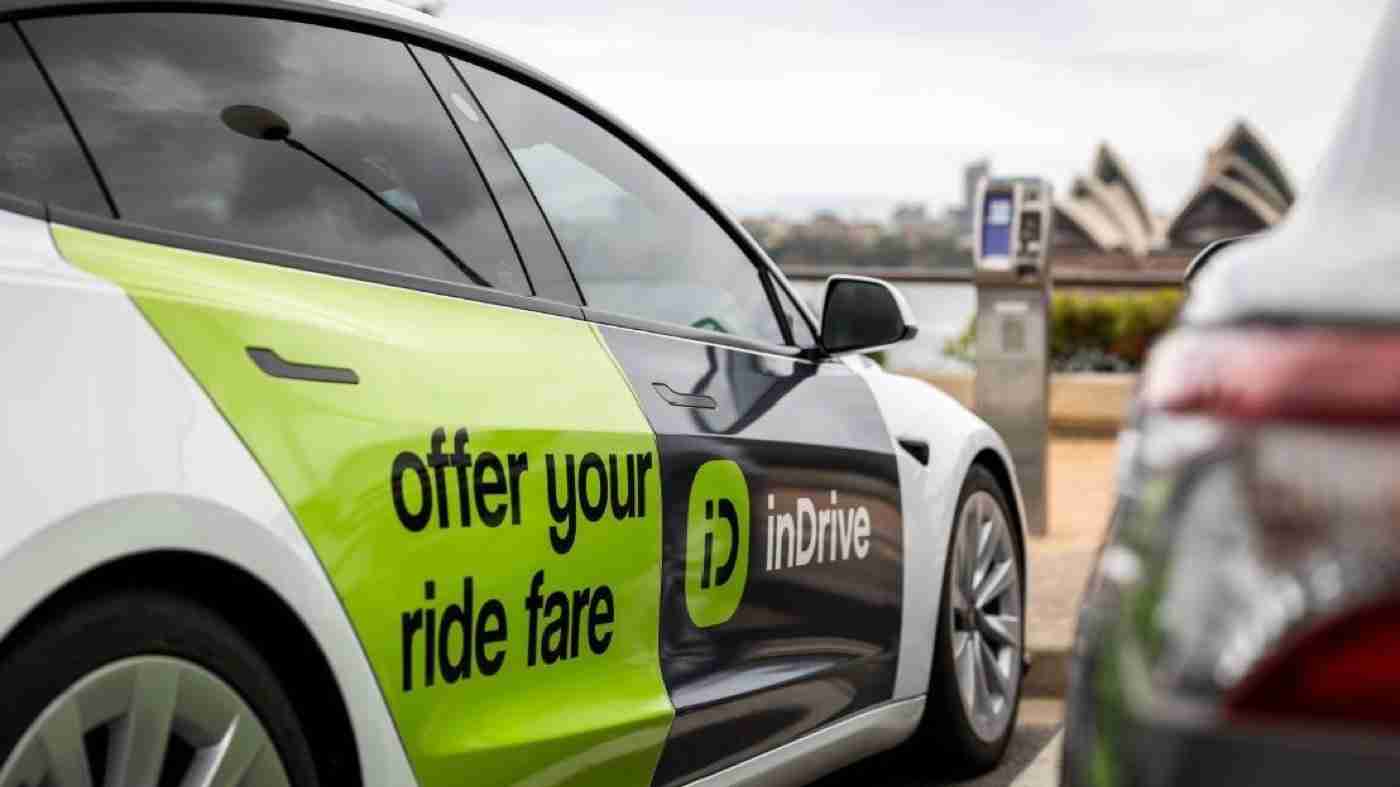
Government’s new inDrive rules require 5 years’ driving experience, medicals and newer cars
Zimbabwe’s app-based taxi drivers could face a new set of requirements, including at least 5 years of driving experience, defensive driving and medical fitness certificates, under draft regulations released by the Government.
The proposed rules would also restrict the age of vehicles used for e-hailing, require tax clearance for each car and introduce a Zimbabwe National Road Administration (ZINARA) road-user charge on every trip. They would apply to services including inDrive, Bolt, Tap & Go, GoFaster and KOSE.
The Ministry of Transport and Infrastructural Development published the draft on November 11 and invited drivers, passengers, operators and other members of the public to comment before the rules are finalised. A Cabinet directive requires the regulations to be promulgated by December 31, 2026.
“The Ministry of Transport and Infrastructural Development released the Draft E-Hailing Regulations in line with a Cabinet directive requiring their promulgation by December 31, 2026,” the ministry said.
“The Ministry invites stakeholders and members of the public to review the proposed draft Statutory Instrument and submit their views and recommendations before promulgation to inform the development of a regulatory framework for e-hailing services in Zimbabwe.
“Your input is important in shaping safe, efficient and well-regulated e-hailing services.”
The draft would set conditions not only for drivers, but also for vehicle owners, passengers and the companies operating the apps. It marks the latest stage in a Government effort to bring a rapidly expanding transport service under a specific set of rules.
Under the proposed driver criteria, an applicant would need to be a Zimbabwean citizen, at least 21 years old and have held a valid driving licence for at least 5 years. Applicants would also need a defensive driving certificate, a medical fitness certificate and an e-hailing driver’s permit.
The permit would be valid for 2 years under the draft. Drivers would be allowed to carry passengers booked through the platform, rather than picking up customers from the street. The proposed licence-experience rule would mean that being old enough to drive for an app would not, on its own, qualify someone: the applicant would also have to meet the separate 5-year experience requirement.
Drivers would face identity checks before starting work. The draft proposes a face scan before a driver goes online each day, with further scans at intervals of up to 12 hours. The check is intended to confirm that the person using the driver’s account is the permitted driver.
Vehicle owners would also have to meet new conditions. Cars could not be more than 10 years old and would need a vehicle fitness certificate, passenger insurance and a designated e-hailing disc displayed on the windscreen. The operator’s licence would have to be endorsed for e-hailing for each vehicle.
Each car would need a valid Zimbabwe Revenue Authority (ZIMRA) tax clearance. Under the draft, a platform would have to prevent a car from operating if its tax clearance was not in order. The proposed ZINARA road-user charge would be deducted on every trip, although the amount has not yet been set.
The draft’s fee schedule includes a US$500 application fee for platform accreditation and a US$20 endorsement fee for each car. It does not set the amounts for the driver’s permit, the windscreen disc or the per-trip ZINARA charge. A number of figures and limits remain in square brackets in the draft, indicating that they may be revised during the consultation process.
Platforms would have to obtain Government accreditation, which would be valid for 3 years. An operator would need a physical office in Zimbabwe, either its own or through a local representative. The proposed framework would also require an app operator to hold a data licence from the Postal and Telecommunications Regulatory Authority of Zimbabwe and maintain ZIMRA tax clearance.
Safety duties would extend beyond driver checks. Each platform would be required to run a 24-hour safety response centre in Zimbabwe. The centre would need to respond to emergency alerts and notify police within 15 minutes of an SOS alert. Passengers would see the driver’s photograph, permit number and vehicle details before a trip, and the app would provide an emergency button.
Trip information would be retained for 6 years, with a copy held on a server in Zimbabwe. The draft provides for police access to trip records in emergencies when a request is made by an officer of Inspector rank or above, without a warrant. The proposed rules also include requirements for handling personal information.
Passengers would have to register with their full name and a mobile number registered in their own name. They would be asked for a national identity or passport number when paying cash or taking a trip between 9pm and 5am. People under 18 would not be permitted to open independent accounts, although a child could travel on a journey booked by an adult.
The rules would also set limits on pricing and platform charges. Commission taken by an app would be capped at 18 per cent of the fare. Surge pricing would be limited to twice the normal fare, while the final fare could not exceed the estimate by more than 15 per cent. Platforms would have to pay drivers within 7 days and warn them before imposing a permanent ban.
The proposals come after months of uncertainty over how app-based taxis should be regulated. In August, Transport and Infrastructural Development Minister Felix Mhona told Parliament that the Road Motor Transportation Act contained no provision specifically covering e-hailing services. He said Cabinet had directed his ministry to prepare an interim statutory instrument while it considered a broader framework.
The debate had already reached local authorities. In Harare, drivers reported enforcement action by municipal police, including cases in which officers allegedly posed as passengers before stopping drivers. The city’s mayor, Jacob Mafume, acknowledged a gap in the existing rules and said the council was working on a policy for the sector. The dispute placed operators in the position of trying to earn through app bookings while facing uncertainty over which permits and charges applied to them.
Cabinet announced a 5-month moratorium on September 8, allowing the Government time to review the sector and develop regulations with operators and regulators. The pause covered services such as Bolt, inDrive, Tap & Go, GoFaster and KOSE. At the time, the Government recognised the services’ role in providing transport and income, particularly for young people, while also citing regulatory challenges and the need to establish clear standards.
Information, Publicity and Broadcasting Services Minister Dr Zhemu Soda said Cabinet recognised the services’ contribution to transport and employment. The Government’s stated objective was to develop a framework that could address passenger safety, driver conduct, tax compliance and the ease of doing business.
The draft now places those concerns into specific proposed requirements. The ministry has described the intended system as a self-regulatory model, with operators, companies and drivers expected to follow common standards. At the same time, the proposals would give public authorities defined powers to check documents and enforce compliance.
The draft includes roadside checks and penalties for operating without the required papers. A vehicle found operating without the appropriate documents could be held for up to 30 days. It also proposes that local councils should not require a separate council licence from an e-hailing operator that is properly licensed under the national framework, while retaining their ability to enforce parking and taxi-rank rules.
The mix of new duties would affect the different groups involved in a single app-based journey. A driver would need the prescribed experience, certificates and permit. The car would need the correct age, insurance, fitness and licence endorsement. The platform would need accreditation, an office, tax and data licences, and a staffed safety centre. Passengers would face additional identity checks for cash and night-time trips.
Government has said the draft was prepared following consultations with industry players and a review of international practices. The public consultation is now intended to inform the final framework before the December 31 promulgation deadline. The ministry has urged stakeholders and members of the public to submit recommendations on the proposed statutory instrument.
E-hailing services have become a regular option for commuters seeking a booked ride and a source of work for drivers and vehicle owners. The draft would formalise how those services operate, from the qualifications of the person behind the wheel to the records kept after a journey. The final version will determine which of the proposed age limits, fees, checks and operating conditions become binding rules.