


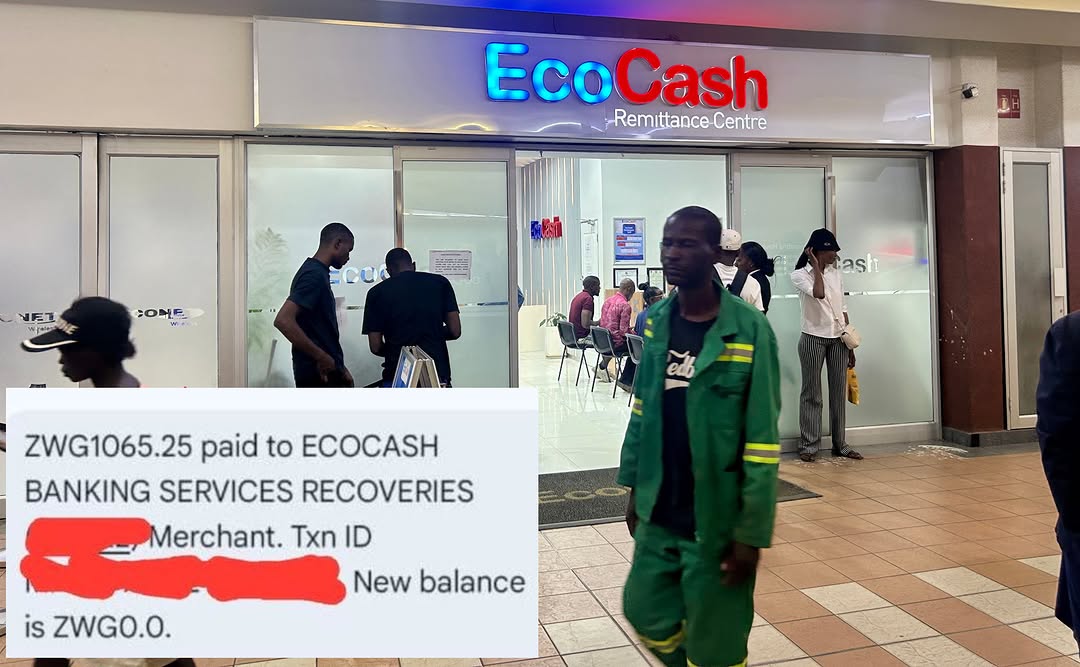
Zimbabwe’s Mobile Money Reforms: A Double-Edged Sword for the ‘Common Man’?
HARARE – In a move widely heralded as a victory for the ordinary Zimbabwean, the government has unveiled a comprehensive suite of financial sector reforms aimed at significantly reducing the cost of digital transactions. For years, citizens have grappled with what many described as punitive charges on mobile money and bank transfers, fees that acted as a substantial barrier to financial inclusion. Now, as part of a broader economic overhaul, the Reserve Bank of Zimbabwe (RBZ) has mandated a substantial cut in mobile money transfer charges and cash withdrawal fees, applicable to transactions in both the local ZiG currency and the US dollar. This development marks a pivotal moment in the nation’s ongoing quest for a more digital and equitable economy.
However, beneath the surface of this seemingly benevolent policy lies a complex web of economic realities and lingering questions, particularly concerning the contentious 2% Intermediated Money Transfer Tax (IMTT). While the government has moved to alleviate some financial burdens, the persistent presence of this tax, especially on US dollar transactions, casts a long shadow over the true extent of relief for the populace. This investigative piece delves into the intricacies of these reforms, examining their immediate impact, the underlying policy shifts, and the potential long-term consequences for Zimbabwe’s financial landscape.
The Lifeline of Mobile Money: A Nation’s Digital Backbone
For many Zimbabweans, mobile money platforms such as EcoCash, OneMoney, and Telecash are not merely conveniences; they represent essential lifelines. In vast rural areas where traditional banking infrastructure is scarce or non-existent, these platforms serve as the primary conduit for financial transactions, enabling everything from remittances to daily purchases. The exorbitant fees previously levied on these services were often perceived as a regressive
tax on the poor, disproportionately affecting those who rely most heavily on digital payments for their livelihoods. The government’s intervention, therefore, is largely viewed as a necessary step to safeguard consumers and foster greater financial accessibility.
Unpacking the Reforms: A Closer Look at the Numbers
The core of the recent reforms, announced in May 2026, centres on a significant reduction in mobile money transfer charges and cash withdrawal fees. The Reserve Bank of Zimbabwe (RBZ) issued a directive on 29 January 2026, instructing all banks and microfinance institutions to review and reduce their fee structures by 31 March 2026. This directive aimed to create a more affordable transaction environment. Furthermore, the latest reform package includes the introduction of zero-cost bank accounts for Micro, Small and Medium Enterprises (MSMEs), a measure designed to formalise and support small businesses that form the backbone of the Zimbabwean economy.
However, the narrative surrounding these fee reductions is intertwined with the ongoing debate about the Intermediated Money Transfer Tax (IMTT). In the 2026 National Budget, presented in November 2025, the IMTT rate for local currency (ZiG) transactions was lowered from 2% to 1.5%. This adjustment was explicitly intended to incentivise the use of the newly introduced ZiG currency and reduce the overall cost of transacting in local currency. Finance Minister Mthuli Ncube articulated the rationale behind this, stating, “The tax review has been prompted by revenue considerations following the mobile money explosion that has taken place since 2016”.
Despite this reduction for ZiG transactions, the 2% IMTT on US dollar transactions remains a significant point of contention. While a proposed new cash withdrawal levy (ranging from 2-3%) in the 2026 budget was abandoned in December 2025 following considerable public and parliamentary pressure, the broader impact of the IMTT continues to draw scrutiny. Critics argue that even at 1.5% for ZiG, and certainly at 2% for USD, the tax still represents a considerable burden, particularly for low-value transactions that are commonplace in the informal sector.
The ZiG Conundrum: Building Trust in a New Currency
Zimbabwe’s financial journey has been marked by periods of hyperinflation and currency instability. The introduction of ZiG (Zimbabwe Gold) in April 2024, a gold-backed currency, was a bold attempt to restore confidence and stabilise the economy after the collapse of the previous Zimbabwean dollar. By early 2026, building trust in ZiG remains a critical challenge. The government’s strategy to reduce mobile money fees is partly aimed at encouraging the adoption and usage of ZiG, thereby bolstering its credibility and circulation within the economy.
However, the success of this strategy hinges on more than just reduced fees. The public’s perception of the new currency, its stability, and its acceptance across all sectors will ultimately determine its fate. The interplay between fee reductions and currency adoption is a delicate balance, with the government hoping that lower transaction costs will make ZiG a more attractive and practical option for everyday use.
Industry Reactions and Unintended Consequences
The telecommunications sector, which operates the dominant mobile money platforms, has expressed mixed reactions to these reforms. While some acknowledge the need for greater financial inclusion, there are underlying concerns about the profitability and sustainability of their operations. Tech analysts have questioned how these forced fee reductions will impact the telecommunication companies’ ability to invest in infrastructure and maintain service quality. “Is there a hidden conflict between the government’s desire for low fees and the private sector’s need for sustainable margins?” one analyst pondered, highlighting the delicate balance between public good and private enterprise.
The Zimbabwe National Chamber of Commerce (ZNCC) has consistently advocated for reduced bank charges to foster financial inclusion, noting that “High commissions and fees have been limiting financial inclusion”. Similarly, the Consumer Council of Zimbabwe (CCZ) has been actively engaging mobile network operators, such as NetOne, to address consumer concerns regarding data bundle structures and pricing transparency. These engagements underscore the broader societal demand for more affordable and transparent financial services.
The Public Pulse: Relief, Frustration, and Lingering Doubts
On the ground, the sentiment among ordinary Zimbabweans is a complex mix of relief and lingering frustration. Vendors and daily wage earners, who rely heavily on mobile money for their transactions, have welcomed the fee reductions, seeing them as a direct benefit that allows them to retain more of their hard-earned money. This immediate relief is palpable, offering a glimmer of hope in a challenging economic environment.
However, the enthusiasm is tempered by the persistent burden of the IMTT. Despite the reduction for ZiG transactions, the 2% tax on US dollar transactions continues to be a sore point. Social media platforms are rife with complaints, with one user lamenting, “BANKS ARE A SCAM… Paying for 99c subscription costs me $2.42 or 142% in FEES on Ecocash Virtual Card”. This anecdotal evidence underscores the significant impact that transaction costs still have on individuals, even with the recent reforms.
The critical question that remains is whether these reforms will genuinely translate into lower prices for goods and services in the shops, or if the savings will be absorbed by other operational costs, including the remaining IMTT. As Zimbabweans navigate this evolving financial landscape, the ultimate success of these measures will be a crucial indicator of the country’s economic health and its commitment to equitable financial access.
Beyond Fees: The Broader Reform Agenda
The reduction in mobile money fees is part of a much broader financial sector reform agenda. In March 2026, there was a proposal to integrate mobile money with the national registry, utilising biometric identification and API-driven verification systems. This initiative aims to combat financial crime and enhance the security and integrity of digital transactions. Such measures, while not directly related to fees, contribute to a more robust and trustworthy digital financial ecosystem.
Furthermore, the 2026 Budget also saw an increase in Value Added Tax (VAT) by 0.5% (from 15% to 15.5%). This adjustment was made to compensate for the revenue anticipated to be lost from the reduction in the IMTT for ZiG transactions. This delicate balancing act highlights the government’s challenge in stimulating economic activity through reduced transaction costs while simultaneously ensuring fiscal stability.
Conclusion: A Path Towards Financial Inclusion, Paved with Challenges
Zimbabwe’s mobile money reforms represent a significant step towards addressing the long-standing issue of high transaction costs and fostering greater financial inclusion. The government’s commitment to reducing fees and promoting the use of the ZiG currency is a clear indication of its intent to create a more accessible and stable financial environment. However, the journey is fraught with challenges. The lingering impact of the 2% IMTT on US dollar transactions, concerns about the profitability of mobile network operators, and the ongoing struggle to build public trust in the ZiG currency all present formidable hurdles.
As the nation moves forward, careful monitoring and adaptive policymaking will be essential to ensure that these reforms genuinely benefit the “common man” and contribute to sustainable economic growth. The success of this “Mobile Money Revolution” will not only be measured in numbers but also in the tangible improvement of livelihoods and the restoration of confidence in Zimbabwe’s financial future.