


The elation of academic success is turning into a bitter disappointment for scores of bright Zimbabwean students who have fallen victim to a sophisticated network of bogus overseas university recruitment agents. For many young Zimbabweans, a scholarship to study in Europe or Turkey is perceived as a golden ticket out of poverty. However, a growing number of students are finding themselves not in lecture halls, but in prison cells or working as ‘modern-day slaves’ in Northern Cyprus and Poland. This investigation exposes the ‘scholarship syndicates’—fake recruiting agents who charge thousands of pounds for ‘free’ scholarships that simply do not exist.
In the quiet, leafy suburbs of Harare, the ‘consultancies’ operate behind polished desks and professional-looking social media profiles. These unscrupulous individuals are exploiting the burning desire of high-achieving school leavers to study abroad, dangling the false promise of ‘free scholarships’ to prestigious international institutions. Investigations by Check Point have uncovered a disturbing trend where desperate students, fresh from stellar Advanced Level results, are being systematically defrauded of their hard-earned money. The syndicate, believed to be largely composed of Zimbabweans based abroad, capitalises on the vulnerability of those seeking a pathway to international education.
Milton Nyamukapa, an 18-year-old who achieved an impressive 20 points in his 2024 Zimsec examinations, is one such victim whose life has been derailed by this predatory network. His aspiration to study medicine at a renowned ‘Ivy League university’ in Canada has been cruelly dashed. “Everything seemed so legit even though application processes were moving so fast and flawlessly,” a dejected Nyamukapa told Check Point. He recounted how his father shared a WhatsApp link promising “free university scholarships”, specifically mentioning McGill University in Canada. The link, deceptively, would redirect to the official McGill University website, lending an air of authenticity. Crucially, the same link contained a separate email address for applications.
Buoyed by hope, Nyamukapa submitted his application, meticulously providing all the requested documents. Within a week, his father received an email claiming his application was successful, but it came with a catch: a “processing fee” of US$492 for medicals, paperwork, and visa arrangements. “The amount was US$492 in total, an amount too little not to pay for the great journey ahead. Who would not, if everything was being taken care of?” Nyamukapa recounted. That wire transfer marked the end of all communication from the supposed representatives. What was meant to be the start of his ‘free schooling’ this coming July turned into a painful lesson in deception. It was only after attempting to contact the university through official channels that the devastating truth emerged.
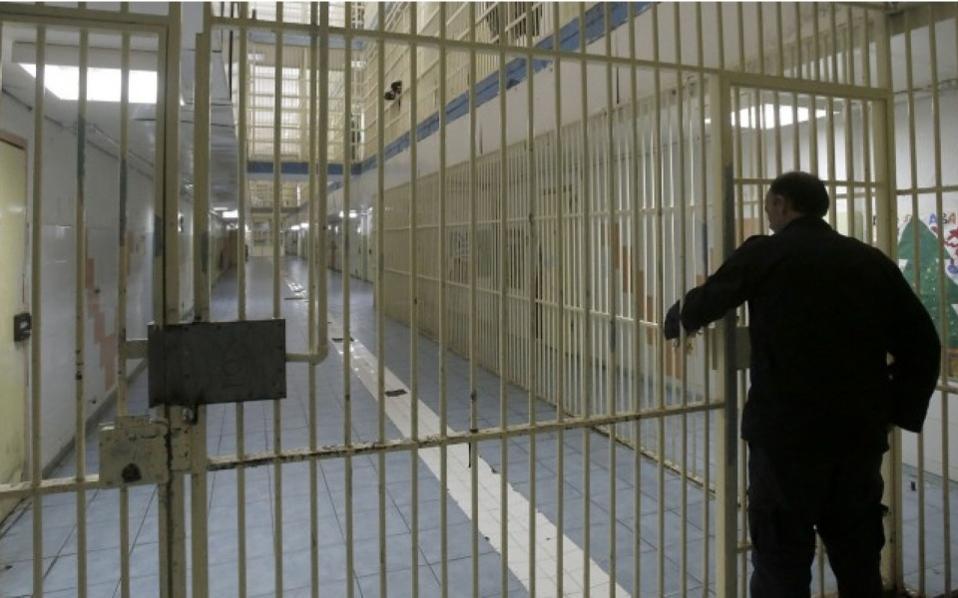
For those who actually make it onto a plane, the reality upon arrival is often more harrowing than the scam itself. A few years ago, it was reported that at least 20 Zimbabwean students were incarcerated in a maximum prison in Cyprus after failing to raise college fees and satisfy visa regulations. Preliminary investigations show that this is merely the tip of the iceberg. There is an intricate scam involving agents offering scholarships to prospective students from all over Africa desperate to secure college places in Cyprus. Sources with knowledge of the operations told investigators that the fleeced students were thrown into jail recently after failing to raise at least €15,000 each owed to various universities.
The fraudulent scheme involves agents luring prospective students into paying certain amounts of money as commission to land college slots supposedly financed under scholarships. However, upon landing in the European country, the students are asked to pay college fees, which dramatically increase. “If you don’t register, they [universities] will keep increasing your fees and they tell you to freeze the semester. They will also charge you for freezing the semester,” a student, who refused to be named for fear of victimisation, said. “It’s crazy. Most students have debts going from €10,000 to €15,000 yet they were promised scholarships. Yes, fake scholarships. It’s now worse that they are arresting students with no student visas and putting them in maximum prisons with no visits or calls”.
The incarcerated students are being denied prison visits, and the majority of them have no legal representation. They face racism and are subjected to human rights abuses in facilities where police officers reportedly write statements in Turkish for the detained Africans to sign. “Most students are facing jail time as they are forced to make statements. Whenever there is an arrest, you are asked to write a statement but these statements are usually not written by those detained or arrested. It is the police officers who write them in Turkish,” another student bemoaned. This linguistic barrier is weaponised by local authorities, ensuring that the victims have little to no recourse in a legal system they do not understand.
The problem is exacerbated by what many describe as a ‘conspiracy of silence’ from foreign embassies and government officials. Questions sent to the consulate of Cyprus in Harare regarding the welfare of these students were met with silence. Similarly, the Ministry of Foreign Affairs and International Trade in Zimbabwe has been slow to respond to the growing crisis. The 2025 Trafficking in Persons Report highlights that agents and recruitment agencies continue to deceive foreign students with false promises of scholarships, leading to fraud and coercion. It is particularly galling that some foreign embassies are reportedly aware of these scams but continue to issue visas to students who are clearly being trafficked, effectively facilitating the trade in human misery.
In Poland, the situation is equally grim. Zimbabwean students lured by similar promises have found themselves trapped in scam centres or forced into labour that resembles modern-day slavery. A recent report indicated that 15 Zimbabweans were killed in the Russia-Ukraine war after falling for fraudulent recruitment schemes, highlighting the lethal stakes involved in these fake offers. The victims were lured through fraudulent job agencies operating primarily on social media, promising high salaries (US$2,000–$2,500/month) and safe civilian work. For fake scholarship offers, recruiters often monitor the release of examination results in Zimbabwe, knowing that a fresh wave of ambitious students will be searching for opportunities. These syndicates use sophisticated social media campaigns, often featuring testimonials from ‘successful’ students who are, in reality, paid actors or part of the criminal network.
Some of these unscrupulous consultancies are currently under investigation. These firms often operate under the guise of legitimate educational consultants but have been linked to the deceptive practices that lead students into the Cyprus trap. They charge exorbitant ‘consultation fees’ while promising that the tuition itself is covered by non-existent grants. Once the student arrives in Northern Cyprus, the agency disappears, leaving the young Zimbabwean to face the wrath of university bursars and immigration officials alone.
Educationists and government officials are now sounding the alarm. Primary and Secondary Education spokesperson Mr Taungana Ndoro described the trend as “quite frightening” and “saddening”. He urged school leavers to utilise local universities or follow official government procedures, such as the Presidential Scholarship Scheme. “We have several universities within our own country; we have plenty that can absorb all those pupils who managed to pass,” he said. The push for foreign education is often driven by a perceived lack of quality at home, but as these cases show, the cost of that perception can be a lifetime of trauma.
Professor Ian Sevenza, a former university lecturer, pointed out the obvious red flags that desperate families often miss. “Genuine scholarship programmes rarely, if ever, require upfront payments for processing or application fees. Students should exercise extreme caution when dealing with individuals or agencies offering seemingly too-good-to-be-true scholarship opportunities,” he warned. He advised that students should thoroughly verify the legitimacy of any scholarship offer directly with the university in question and be wary of unsolicited links and requests for immediate payments. The promise of ‘free’ is the ultimate bait, blinding even the most rational parents to the inherent risks.
This ‘Dark Syndicate’ operates with a level of sophistication that makes it difficult for even the most cautious parents to detect. They use social media campaigns that look highly professional, often using the logos and names of well-known institutions like McGill University or various Cypriot colleges. The tragedy is that these students, often the brightest minds of their generation, are being sacrificed for a few hundred or thousand pounds, leaving their families in debt and their futures in ruins. The emotional toll on the parents, who often sell their only assets—cattle, land, or family homes—to fund these ‘opportunities’, is immeasurable.
The universities in Cyprus — including alleged third party agents for institutions like Cyprus International University, Near East University, Eastern Mediterranean University, and Girne American University — have been accused by students of supporting their local tourism industry by luring international students under false pretences. Once the students are in the country, the ‘scholarship’ disappears, replaced by mounting debts and the threat of imprisonment. The Nigerian government has already begun discouraging its citizens from studying in Cyprus, but the message is yet to be fully embraced or disseminated in Zimbabwe. These institutions appear to be part of a broader economic model that relies on the steady influx of foreign currency from unsuspecting African families.
As the number of students in Cyprus prisons continues to grow, the need for a coordinated international response becomes more urgent. The families of the incarcerated students remain in a state of perpetual anxiety, unable to communicate with their children and lacking the funds to secure their release. The ‘Scholarship Trap’ is not just a financial scam; it is a human rights crisis that is destroying lives across borders. Many of these students are forced into criminal activities, such as drug running or cyber fraud, just to pay for their next meal or a month’s rent in a foreign land where they have no legal status.