


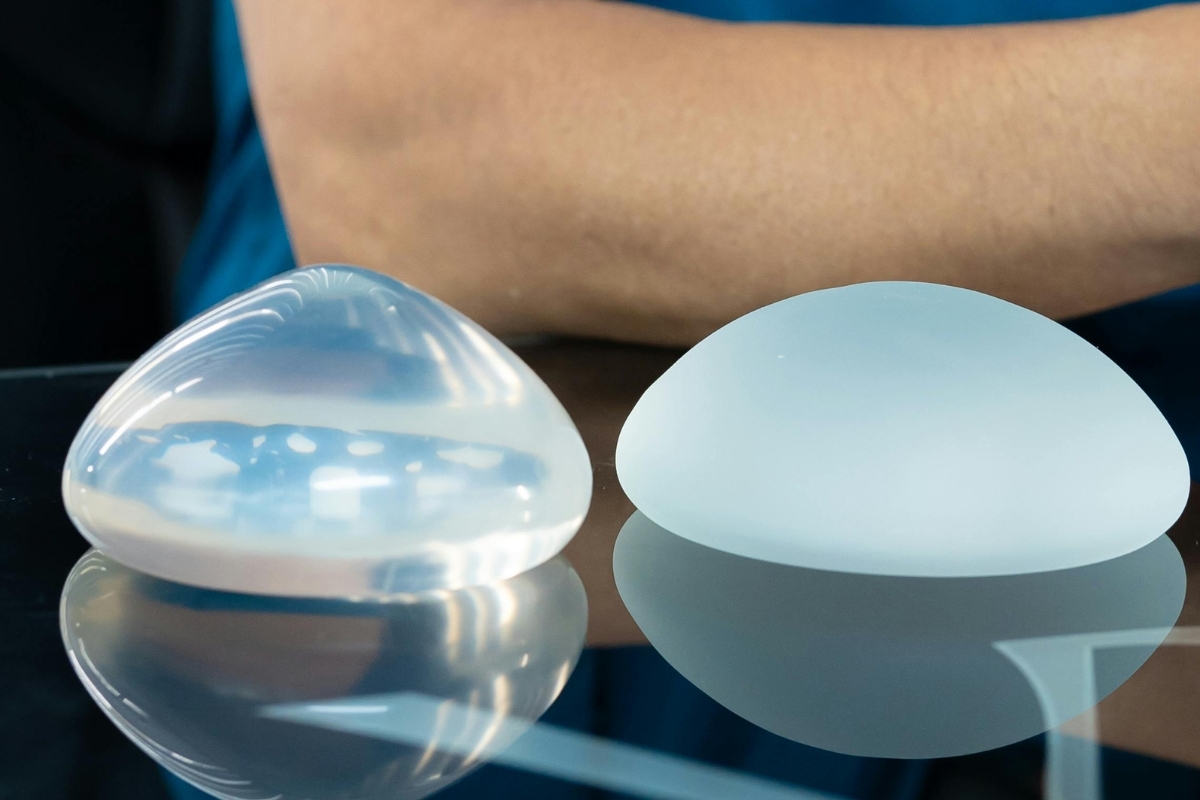
Maybe you have been thinking about getting breast implants, and most likely you have also noticed that the safety talk usually confuses people quite a lot. One article says implants are “dangerous, ” another states they are “proven safe, ” and in between, you are left to make your personal decision from imperfect information. I have gone through most of the recent studies and the main thing I see is this: the whole story is a bit complicated. It is not about panic. It is not about dismissing. It is about recognizing In reality there are pros and cons, there needs to be monitoring, and informed consent.
This piece of writing will be about the implications of very recent studies and safety updates. Also it will deal with what risks are really there (though very rare), and what it means for you if you already have breast implants or you are thinking of getting them now.
What “safe” really means in recent implant research
When scientists talk about safety, they are not really saying, Are breast implants literally risk free? Very little in the field of medicine is. The right question is, What are the complications, how often do they occur, how serious are they, and what can be done to lower the risk?
Current studies still indicate that many patients have good outcomes with breast implants, Mainly when they are carefully chosen, correctly inserted, and regularly checked. Yet, safety inspections and long-term results have led the discussion towards improved labeling, better tracking, and more transparent expectations about replacement and upkeep.
Simply put, the research does not point to implants are inherently unsafe but rather implants are medical devices, and patients should be shown everything about them. Also Check For mesotherapy in dubai
The most discussed risks
Capsular contracture and surgical complications
Capsular contracture, implant malposition infection hematoma, and changes in sensation remain the “classic” problems that surgeons continue to see. Research continues to identify factors that affect these results like surgical technique, implant placement, choice of incision, and patient’s biological makeup.
If your decision-making is at the very beginning stage, one thing will be easier to accept if you come to terms with it: even with an excellent surgeon, breast implants can require surgery at some point in the future. Not always but often enough that it is advisable to make emotional and financial provisions for such a situation.
Rupture, leakage, and “silent” changes over time
Implants do not last forever. Saline ruptures are mostly evident because changes in volume occur rapidly. Silicone ruptures however are often more subtle and continuing research indicates that regular monitoring is necessary for individuals with silicone breast implants since “silent rupture” is really a real situation.
In fact, what’s really changed lately is that the medical community has become quite outspoken about the need for long-term follow-up and seriously focused on the documentation of device performance over time. Also Check For gynecomastia in dubai
BIA-ALCL and the connection to textured implants:
The move toward better safety practices over the last ten years has mainly been about increased knowledge of Breast ImplantAssociated Anaplastic Large Cell Lymphoma (BIA-ALCL). It’s a very rare condition, but still worthy of attention. Studies have found that risk of BIA-ALCL was nearly only with implants that had specific textured surfaces. That’s why most of the safety measures and changes in the market were focused on these textured implants.
If you are considering getting breast implants now, then the talk about surface type is really important. A thorough consultation will not simply ignore this topic. You must be comfortable with asking “Why this implant for me? ” and receiving a calm, detailed, and fact-based answer in return.
Breast Implant Illness (BII): what scientific research is pointing to
Breast Implant Illness is a very emotionally intimate subject in the community because it is about actual symptoms of actual patients which, being systemic, are usually difficult to measure: fatigue, brain fog, joint pain, rashes etc.
This is a very young area of research still. There is not yet a single diagnostic test for BII, and different experiments haven’t identified one clear mechanism that could account for every single case. What has come to be medical talks more and more include a patient-centered approach: symptoms must be taken seriously, patients have to be tested for other causes, and if a patient decides for explanation, this decision should be honored and supported.
For those of you who have breast implants and are reading this feeling “off, ” you are right to wonder and ask questions. You also do not have to go as far as immediately blaming the implants. The very cautious and safest way is first looking at your symptoms, doing a proper medical workup, and then consulting a surgeon experienced in both implant and explant cases with all your information.
What this means if you’re considering implants now
Considering breast implants? The smartest and safest way to choose them is to not rush your decision. A good consultation should be more like a lesson to you rather than just a sales pitch.
You’ll need to discuss your desires (natural appearance or a more noticeable change), your lifestyle, the amount of breast tissue you have, your potential pregnancy or weight gain, and what “maintenance” means to you even 10 years from now. Besides that, check the surgeon’s complication rates, their attitude toward revision surgeries, and what the follow-up visits will be like.
Another thing that usually escapes attention: the “best” solution for you might simply not be implants. In fact, in some cases, a breast lift without implants or even a fat transfer might be more compatible with what the patient really things is the most important thing. Of course, breast implants can be a great decision. But, they are not the only decision. Besides, recent studies are pushing the industry to make these other options more clearly visible.
Start with Aesthetics International
If you have breast implants or are considering getting them, pause for a moment and try to understand clearly what is going on before letting your fears dictate your actions. We at Aesthetics International, in fact, believe the best thing you can do is to get a thorough consultation with an expert, document properly and prepare a follow-up plan that you can truly commit to.