


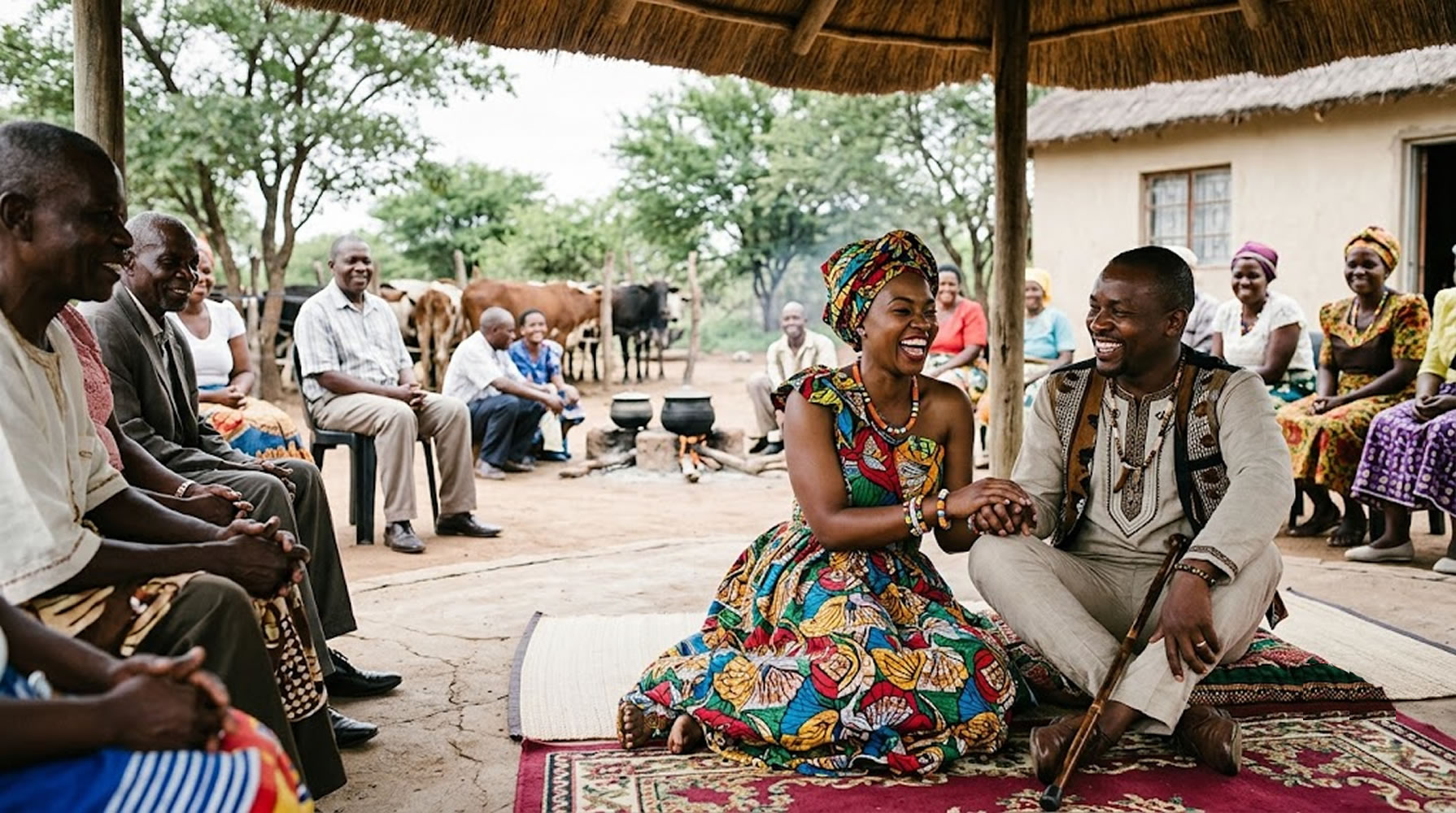
Introduction: The US$3,500 Dilemma
Dear Auntie,
I am planning to marry the woman I love. I have saved up $3500 but now I am faced with a hard decision. Should I use it all for Lobola, or should I put some aside to start a business for our future?
This issue is common among many young Zimbabwean couples today. Lobola is a cultural practice that is respected and valued as it does honor to families and brings relationships together. It is a symbol of commitment, gratitude, and respect. At the same time, it is important to look at the financial aspects.
Many new marrieds’ lives begin full of financial stress, which is a result of the use of every available dollar for wedding-related expenses and lobola. It can be argued that although it is important to meet cultural requirements, going to such an extent that savings are exhausted leaves a family in a struggle to cover basic needs, go after opportunities, or deal with emergencies.
In many cases what is wise is to find a balance. Marriage is beyond that single special day; it is a lifetime of building a stable and prosperous life together. Through careful management of resources, couples may honor tradition; also, at the same time, they build for the financial growth of the future.
Protect Your “Seed Money”
Every time a business breaks ground, it is with what financial experts term “seed capital.” This is the base amount of money put in to produce a return in the future. Once that seed capital is used up, opportunities for growth greatly diminish.
For young married couples, putting away a section of what they save is a very important financial decision they make. Also, many families are open to flexible arrangements, which include payment plans for the full lobola, which in turn allows the couple to maintain financial stability.
Experienced elders understand that marriage goes beyond the ceremony. They recognize the importance of creating a home that will be self-supporting for a long time. A son-in-law, which shows he is responsible, that he plans well, and that he has a practical approach towards income generation, also will end up with a great deal more respect than one that spends every penny that he gets.
Keeping some of the $3,500 for initial use can open up what is a source of income, which in turn can be a steady stream of revenue past the wedding days. Also, this is a way to reduce financial stress at the start of married life and at the same time lay a base for a secure future together.
The aim is not to avoid cultural duties but to perform them in a fashion that supports the family economy over time.
Why the Second-Hand Clothing Market?
In many cases of low startup requirements, which are seen in Zimbabwe, the fashion of pre-loved clothes is a success story for entrepreneurs. There is great demand for this secondhand wear as customers look for what they consider to be affordable, fashion-forward, and durable options.
In this market it is easy to start out small, which in turn allows for gradual growth of inventory and customer base. Also, it is observed that premium bales, which include thought-out sorting of clothing, tend to do better in terms of value as they reduce what doesn’t sell and in turn increase profit.
Many of which do very well start out by trading in local markets, on social media platforms, in community groups, and at small retail spaces. With consistent quality and great customer service, they may grow from a small scale to a very reliable source of family income.
Profit out of which is highest when you source products directly from international exporters that specialize in what clothing is doing in the second-hand market. This also, in turn, gives business owners better inventory access and more consistent quality.
For couples seeking a practical side hustle, ordering quality sorted second-hand clothing bales from experienced exporters like Indetexx can be one way to build family wealth while maintaining manageable startup costs.
Clothing is a need as opposed to a luxury item; thus, demand is rather steady during tough economic times. That is why secondhand fashion is a very good choice for couples that are looking to put together a second income stream without taking on a large amount of risk.
Maximizing Profits via Shoes & Bags
While clothes are a reliable source of income, many experienced traders have also found that pre-owned shoes and handbags tend to give even better profits.
Consumers do in fact pay a premium for quality footwear and well-kept bags, which is a result of those products’ balance of function and fashion. Branded shoes and high-quality leather bags, which are chosen thoughtfully, may also command a great deal more at point of sale when in top condition.
Another benefit of this is there is often a high rate of purchase, which in turn results in quick stock turnover. Customers that come in have a short decision-making process for products that are exclusive and that they can’t find other places. Also, this puts business owners in a position to recoup their investment at a faster rate, which in turn they put back into the business for more stock.
However, in this segment, success is a result of excellent quality control. Successful traders perform a very close inspection of products for wear, cleanliness, durability, and overall presentation. Buyers of premium items expect products that look great and that will function well over a long period of time.
Cleaning, putting in order, and properly displaying products may greatly affect customer perception and sales price. A well-presented item often goes for a much higher price than the same item, which is not paid attention to in terms of detail.
By sourcing from trusted partners like Indetexx’s used shoes and bags supply chain, couples can secure premium stock that appeals to customers looking for quality products at affordable prices.
When business owners focus on strong customer relationships and effective inventory management, the shoes and bag sectors may be an ideal add-on to a fashion business, which is also—in turn—to create many income streams from one venture.
Conclusion: Building a Lasting Legacy Together
Returning to that which was discussed of the US$3,500 issue, perhaps the answer is not in choosing between Lobola and investment at all. Instead, a balanced solution may be considered, which is respectful of both.
A scenario can be presented of putting aside US$1500, which can be used as seed money. That which is put aside can be put into pre-owned fashion, shoes, or handbags, which in turn may see profit, which in turn is used to pay off future lobola, which at the same time will be a great source of ongoing income.
Also, the business is to continue its operations beyond what is required of the obligations. The couple has access to continuous profit, greater financial security, and also flexibility as they present themselves with future opportunities.
Marriage is a lifelong commitment. It is often observed that the best marriages are formed not only out of cultural practice but also out of careful thought, shared goals, and responsible financial choices. By combining respect for tradition with smart investment, young couples may found a legacy that reaches far beyond the day of the wedding and that, in turn, supports their family for many years to come.