


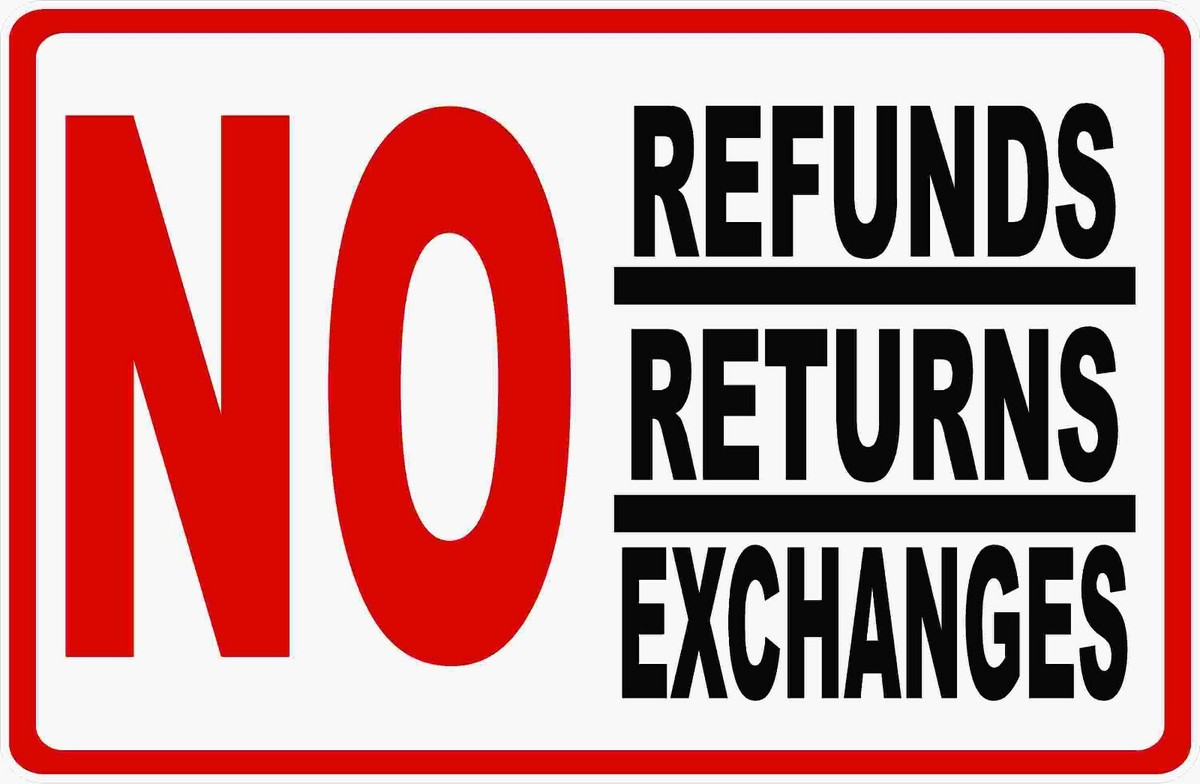
In a landmark move set to revolutionise consumer rights across the nation, the Zimbabwean Cabinet has formally adopted a sweeping new Consumer Protection Policy that finally strikes a blow against the pervasive and predatory ‘no refund’ culture. For decades, the average Zimbabwean shopper has walked into retail outlets only to be greeted by bold, hand-painted signs or printed disclaimers declaring: “No Refund, No Exchange, No Return.” These signs, once a permanent fixture of the local marketplace, have now been declared unequivocally illegal under the newly approved Consumer Protection Policy (2026–2030).
This groundbreaking policy, presented to the Cabinet on Tuesday, March 10, 2026, by the Minister of Finance, Economic Development and Investment Promotion, Professor Mthuli Ncube, serves as a direct response to years of consumer exploitation. The framework aims to regulate the supply of goods and services, safeguard the fundamental rights of shoppers, and promote fair trading practices in an increasingly complex and dynamic marketplace. For the first time, the government is providing a clear and enforceable roadmap to dismantle the loopholes that unscrupulous businesses have used to evade accountability for faulty or substandard products.
The history of consumer grievances in Zimbabwe is long and fraught with frustration. For years, shoppers have shared stories of purchasing expensive electronics or household appliances, only to find them defective within hours of getting home. When attempting to return the faulty items, they were often met with a cold refusal, pointed towards the ‘No Refund’ sign hanging above the counter. This practice has been particularly rampant in the informal sector and among the ubiquitous “runners”—traders who bring in goods from neighbouring countries and operate out of small, often unregistered stalls. These traders frequently imposed arbitrary “guarantees” of just three days, leaving customers with no recourse when a mobile phone or kitchen appliance failed on the fourth day.
|
Key Provision
|
Description
|
|
Outlawing ‘No Refund’ Signs
|
Retailers are prohibited from displaying any disclaimer that refuses refunds or exchanges for faulty goods.
|
|
Enforcement and Prosecution
|
Businesses found in violation face immediate prosecution, heavy fines, and potential closure.
|
|
Quality Standards
|
Promotes the production and sale of high-quality goods to meet the needs of an empowered consumer.
|
|
Dispute Resolution
|
Establishes clear guidelines for resolving consumer-retailer conflicts through dedicated institutions.
|
|
Anti-Counterfeit Framework
|
A new dedicated system to tackle the influx of illicit and counterfeit trade in the country.
|
During the fifth post-Cabinet media briefing in Harare, the Minister of Information, Publicity and Broadcasting Services, Dr Zhemu Soda, emphasised that the new policy is designed to close existing legislative and institutional gaps. He stated that the framework “serves to regulate the supply of goods and services, safeguard the rights of consumers and promote fair trading practices in the marketplace.” Dr Soda further explained that the policy is anchored on several strategic pillars, including the intensification of market compliance checks and the rollout of comprehensive consumer education programmes to ensure every citizen understands their newly enshrined protections.
The illegality of these ‘no refund’ notices was further clarified by the Minister of Industry and Commerce, Mangaliso Ndlovu, who warned that the era of retail impunity is over. Minister Ndlovu was blunt in his assessment of the current situation, noting that many businesses have been operating under the false impression that they can override national law with their own internal policies.
“Some people do not know that it is illegal to put a disclaimer that there is no refund,” Minister Ndlovu stated during a recent address. “It is illegal, and if there are people who are doing that, an informed consumer is advised to notify the authorities. It could be the police or ourselves as the ministry so that we can prosecute such businesses.”
The Minister highlighted that the only legitimate exception to this rule applies to the health and pharmaceutical sector, where safety and hygiene concerns take precedence. “It’s only in the health sector that it is acceptable, because you can’t take a drug and then you want to return it,” he explained. “It cannot be consumed by other people.” Outside of this specific niche, any retailer—from a high-street department store to a pavement vendor—who refuses a refund for a defective product is now acting in direct contravention of the law.
Our analysis of previous legislation, specifically the Consumer Protection Act of 2019, reveals that while the intention to protect consumers was present, the lack of a robust enforcement mechanism allowed ‘no refund’ practices to flourish. Many retailers exploited the ambiguity of the law, arguing that “change of mind” returns were not covered, and then extending that logic to faulty goods. The new 2026–2030 policy seeks to rectify this by strengthening the institutional architecture for consumer protection. This includes the intensification of ongoing market compliance checks and the enforcement of consumer rights through clear dispute resolution guidelines.
Consumer rights advocates, who have tirelessly campaigned for these protections, have hailed the Cabinet’s decision as a major triumph. For years, organisations like the Consumer Council of Zimbabwe (CCZ) have fought an uphill battle against a retail culture that prioritised profit over fairness. The late Rosemary Siyachitema, a legendary figure in Zimbabwean consumer advocacy, spent decades highlighting how these exclusionary clauses were used to “bully” vulnerable shoppers. Her legacy lives on in this new policy, which finally gives the CCZ and other regulatory bodies the “teeth” they need to take action.
In early 2024, a nationwide crackdown saw 18 major retailers fined for selling expired products, a move that hinted at the government’s growing intolerance for unfair business practices. The new policy goes much further, targeting the very signs and disclaimers that retailers use to discourage complaints. By making the mere display of a ‘No Refund’ sign a prosecutable offence, the government is shifting the burden of proof from the consumer to the business.
For the average Zimbabwean shopper, the practical implications are profound. If you purchase a television that fails to turn on, or a pair of shoes where the sole detaches after one walk, you are legally entitled to a repair, a replacement, or a full refund. The retailer cannot force you to accept a “store credit” or tell you that “all sales are final.” To seek redress, consumers are encouraged to keep their receipts as proof of purchase and, in the event of a dispute, report the business to the Ministry of Industry and Commerce or the local police.
|
Sector
|
Refund Status
|
Legal Basis
|
|
General Retail
|
Mandatory
|
Consumer Protection Policy (2026-2030)
|
|
Electronics
|
Mandatory
|
Consumer Protection Policy (2026-2030)
|
|
Clothing & Textiles
|
Mandatory
|
Consumer Protection Policy (2026-2030)
|
|
Pharmaceuticals
|
Restricted
|
Health and Safety Regulations
|
|
Informal Traders
|
Mandatory
|
Consumer Protection Policy (2026-2030)
|
The broader goal of the policy is to stimulate a more ethical and competitive market. When businesses are held accountable for the quality of their goods, they are forced to compete on merit rather than through exploitation. This fosters greater trust between consumers and enterprises, which is essential for long-term economic stability. Furthermore, by strengthening the Consignment-Based Conformity Assessment system, the government is ensuring that substandard and counterfeit goods are intercepted before they even reach the shop shelves.
However, the question remains: Will this new policy truly level the playing field, or will businesses find new ways to circumvent consumer protections? Some industry analysts worry that retailers might simply stop displaying signs but continue to verbally refuse refunds, banking on the consumer’s lack of knowledge or the perceived hassle of reporting the incident. Others suggest that the informal sector, which accounts for a significant portion of Zimbabwe’s economy, will be much harder to regulate than established brick-and-mortar stores.
To counter this, the government has committed to a massive rollout of consumer education programmes. The aim is to empower every Zimbabwean with the knowledge that their rights are not a suggestion, but a legal requirement. By educating the public on how to hold businesses accountable, the Ministry hopes to create a self-regulating market where retailers know that any attempt to “rip off” a customer will result in swift and certain consequences.
The adoption of the Consumer Protection Policy (2026–2030) marks the beginning of a new era for Zimbabwe. It is a clear signal that the days of the ‘no refund’ rip-off are numbered. As the government intensifies its market compliance checks and begins the process of prosecuting offenders, the message to retailers is clear: respect the consumer, or face the full weight of the law. For the shoppers who have long felt powerless, the message is even clearer: you have rights, you have a voice, and the law is finally on your side.
The success of this revolution will ultimately depend on the vigilance of the consumers themselves. By refusing to accept illegal disclaimers and reporting unscrupulous businesses, every Zimbabwean can play a part in building a fairer, more transparent marketplace. The “No Refund” signs may still be hanging in some windows today, but their days are officially over. Zimbabwe has spoken, and the law is now the shopper’s greatest ally.