


T-Gonzi’s Return to Harare Central Prison: A Story of Redemption and Rehabilitation
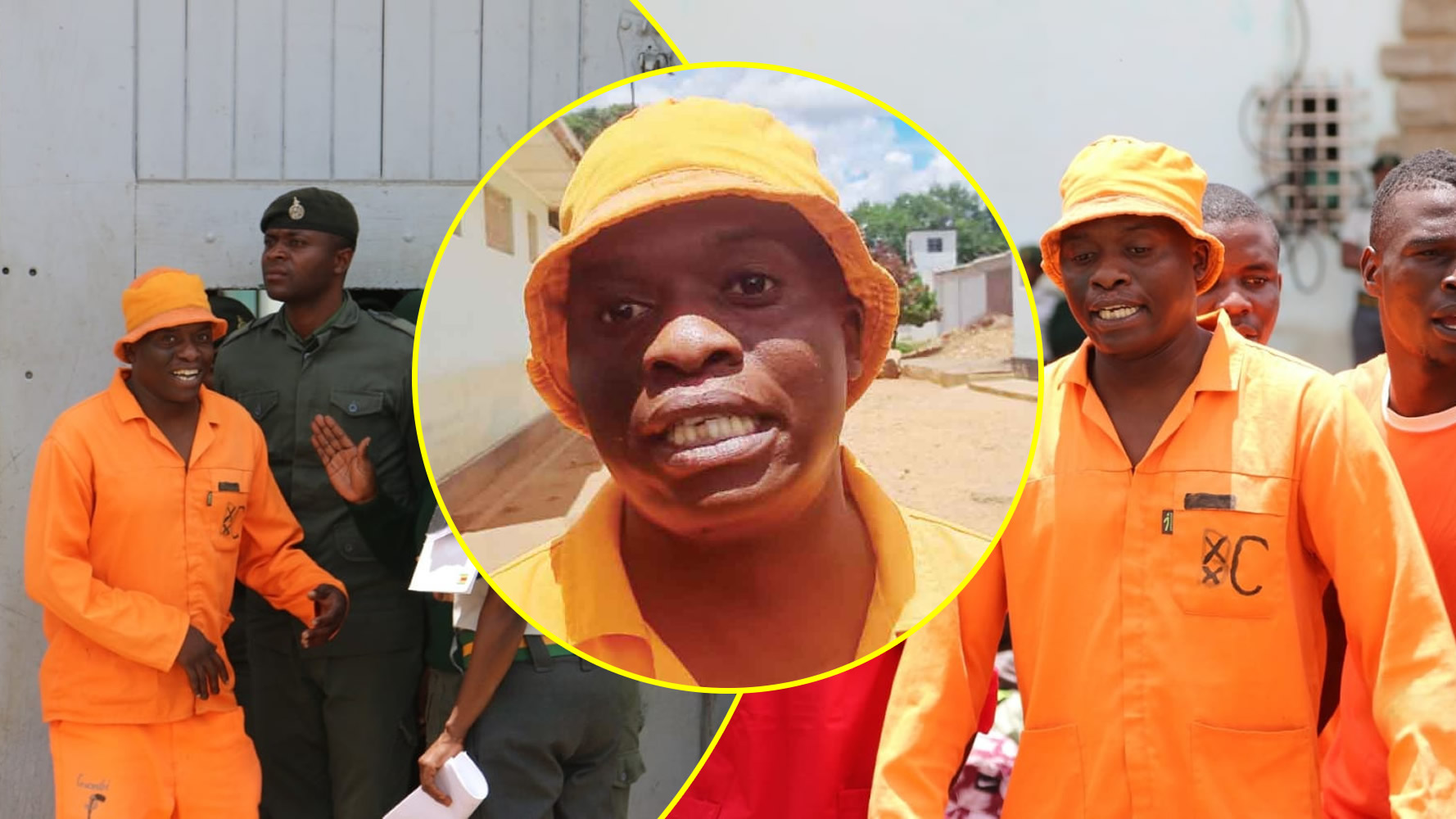
Harare – In an unexpected yet profoundly symbolic gesture, popular hip-hop artist T-Gonzi made a poignant return to Harare Central Prison on Sunday, just two days after securing his release. This visit, far from being a relapse into incarceration, was a heartfelt pilgrimage of gratitude, aimed at acknowledging the unwavering support he received from both prison officers and fellow inmates during his recent period of confinement. His presence underscored a powerful narrative of personal reform and the evolving landscape of rehabilitation within Zimbabwe’s correctional facilities.
T-Gonzi, whose real name is Tinashe Gonzara, had been released on Friday following a successful appeal against his sentence, having been granted bail. His return to the prison walls was not as an inmate, but as a visitor, a transformation that resonated deeply with those he had left behind. During his visit, the artist captivated his former peers with a performance, using his music as a conduit to inspire hope and encourage them to remain steadfast in their pursuit of rebuilding their lives. This act of solidarity offered a beacon of light to many who are navigating their own paths towards reintegration into society.
Speaking candidly about his experience, T-Gonzi shared his reflections, stating, “I am here today to give my special thanks to ZPCS staff and fellow inmates who walked with me through the journey when my life was down. So far, I am in a self-introspection mode. I do not want to engage the media much because I am now a new T-Gonzi. I want to follow a new path and focus more on my personal reform.” His words painted a picture of a man deeply committed to personal growth and a future free from the shadows of his past.
The Zimbabwe Prisons and Correctional Service (ZPCS) officials warmly welcomed T-Gonzi’s return, recognising the significance of his visit. Commissioner Charity Gezi, the Officer Commanding Harare Metropolitan Province, highlighted that the artist’s prompt return, so soon after his release, served as a testament to the institution’s steadfast dedication to rehabilitation, a commitment she emphasised was firmly rooted in humanity. This sentiment reflects a broader shift within the ZPCS towards a more humane and reformative approach to incarceration.
The church service, a pivotal part of T-Gonzi’s visit, was orchestrated by the Honourable Barbara Rwodzi, Minister of Tourism and Hospitality Industry. Minister Rwodzi, a vocal advocate for the ZPCS rehabilitation programmes, reiterated her unwavering support for these initiatives. She further pledged to champion efforts aimed at modernising correctional facilities, transforming them into genuine centres of rehabilitation. Her involvement underscores a governmental commitment to fostering an environment conducive to the successful reintegration of offenders.
During the service, Minister Rwodzi delivered a powerful message to the inmates, urging them to embrace camaraderie and mutual support. “Do not bully others inside prison, you are brothers. Take care of one another and spread love as we have been teaching you during the past five weeks. Government will continue supporting you but refrain from committing further crimes whilst you are in prison. Government is working tirelessly for your welfare and needs, so do good and become changed individuals,” she counselled. Her words emphasised the importance of internal reform and community within the prison system.
The spiritual aspect of the service was guided by Father Onsimo Makava of the Roman Catholic Church, Chishawasha Parish. Father Makava, in his address, drew parallels between the inmates’ experiences and the suffering of Christ, encouraging them to find strength and endurance in their period of imprisonment. This spiritual guidance provided a layer of solace and reflection for those in attendance, reinforcing the message of hope and personal transformation.
T-Gonzi’s journey to this point has been one marked by public scrutiny and personal challenges. His legal troubles began on 2 February 2026, when he was apprehended for unlawful possession of illicit drugs and driving without a licence. The incident unfolded as he was observed driving his Mercedes-Benz through the Mupedzanhamo traffic lights, where he reportedly ignored traffic rules, entered a one-way lane, and obstructed other motorists during rush hour. He was subsequently fined US$100 for the driving offences and sentenced to 10 months in prison, with the dagga possession being a significant factor in his conviction. This period of incarceration, though difficult, appears to have been a catalyst for his introspection and commitment to reform.
The ZPCS has been actively implementing various programmes aimed at improving the lives of inmates and facilitating their successful return to society. In a significant move to address prison overcrowding, Zimbabwe has released over 8,000 prisoners between 2024 and 2026. More than 4,000 inmates were recently freed in March 2026 under a targeted, merit-based presidential amnesty. This initiative not only alleviates pressure on the correctional system but also offers a second chance to many individuals.
Further demonstrating its commitment to rehabilitation, the ZPCS is planning to introduce a comprehensive parole system in 2026, with preparations already in advanced stages since December 2025. This system is designed to provide a structured pathway for inmates to re-enter society under supervision, fostering their successful reintegration. Additionally, the ZPCS recently opened its gates for Family Week, from 6 to 12 April 2026, allowing families to visit their loved ones across all correctional facilities nationwide. This initiative recognises the crucial role of family support in the rehabilitation process.
In February 2026, the ZPCS announced its intention to launch the Pathways to Reintegration Foundation, an initiative poised to further enhance support for ex-offenders. The Office of the President and Cabinet (OPC) has also initiated a Whole-of-Government Approach (WOGA) training programme for the ZPCS, signifying a concerted national effort towards correctional reform. A notable new prison rule, introduced in December 2025, now grants selected inmates temporary leave to visit their partners, a progressive step aimed at maintaining familial bonds and reducing recidivism.
T-Gonzi’s return to Harare Central Prison, therefore, is more than just a personal narrative; it is a microcosm of the broader efforts underway within Zimbabwe’s correctional system. His public commitment to reform, coupled with the ZPCS’s progressive rehabilitation programmes, paints a hopeful picture for the future of inmates and the communities they will eventually rejoin. This story serves as a powerful reminder that even in the most challenging circumstances, the potential for change and redemption remains ever-present. The artist’s actions, amplified by the supportive stance of government officials and religious leaders, highlight a collective endeavour to foster a society that believes in second chances and the transformative power of rehabilitation.