


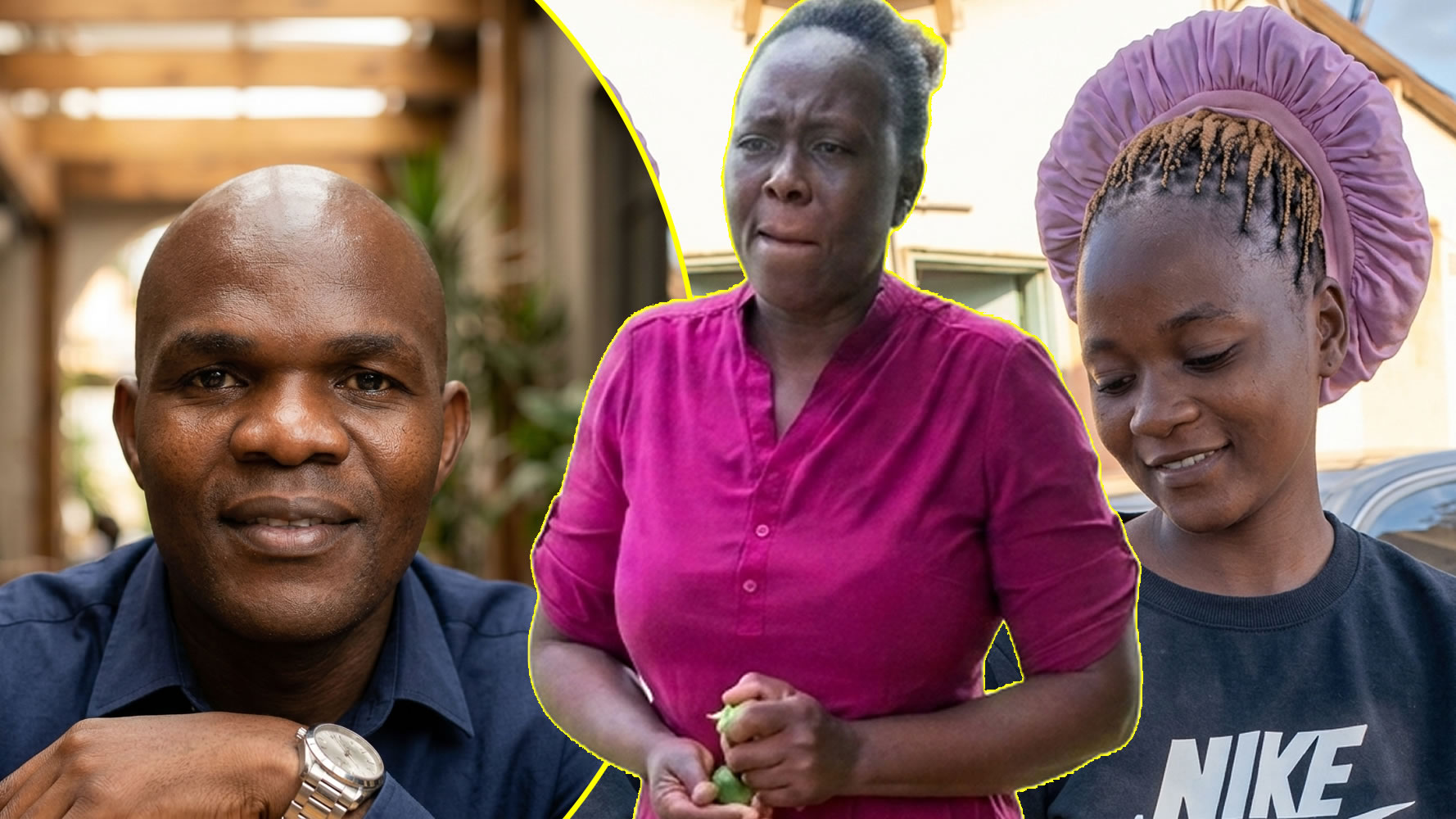
A City in Mourning: Unpacking the Kadoma Double Murder and Zimbabwe’s Enduring Scourge of Violence
KADOMA – The quiet suburb of Victory Park in Kadoma was shattered by an act of unimaginable brutality recently, as 45-year-old Obert Namurokosi allegedly stabbed his wife, Cynthia Namurokosi, and their 23-year-old daughter, Takudzwa Namurokosi, who was nine months pregnant, to death. This horrific incident has cast a long shadow over the mining and farming hub, forcing residents and authorities alike to confront the deep-seated issues of domestic violence and femicide that continue to plague Zimbabwean society.
The tragedy unfolded on a Sunday, following a domestic dispute between Obert and Cynthia the previous day. Cynthia, a 45-year-old teacher from Karoi, had sought refuge at her heavily pregnant daughter’s home. Takudzwa, who was just weeks away from giving birth, already had one child. Unbeknownst to Cynthia, this sanctuary would become the scene of her final moments. Obert, armed with a kitchen knife, reportedly followed his wife to their daughter’s residence. There, he allegedly launched a savage attack, stabbing Takudzwa multiple times before turning the weapon on Cynthia, fatally wounding her in the neck. Both women succumbed to their injuries.
National police spokesperson Commissioner Paul Nyathi confirmed the arrests, stating: “The Zimbabwe Republic Police confirms the arrest of a Kadoma man in connection with two cases of murder which occurred on Sunday in Victory Park, Kadoma. The suspect allegedly had a domestic dispute with his wife who sought refuge at their daughter’s residence on Saturday. On the following day, the suspect reportedly followed her there, armed with a kitchen knife, and attacked both victims. He allegedly stabbed his daughter, who was nine months pregnant, multiple times before turning on his wife, whom he stabbed on the neck. Both victims succumbed to the injuries.”
Following the heinous act, Obert Namurokosi handed himself over to the police, a chilling end to a violent saga that, according to neighbours, had been simmering for years.
A History of Violence and Financial Control
Neighbours paint a disturbing picture of Obert Namurokosi as a man with a long history of violence. One neighbour recounted,
“Obert was always fighting with his wife, the fights were sometimes physical. I always wondered why Cynthia did not report him to the police. Unfortunately, I did not know the family that well.”
This history of aggression was not confined to his home. Another incident revealed Obert’s propensity for violence when he attacked a colleague. The matter resulted in a court order for Obert to pay US$400 in compensation, which he settled by surrendering his fridge to the victim.
Beneath the surface of physical abuse lay a more insidious form of control: financial abuse. Obert had taken early retirement from his workplace and, crucially, spent his entire pension fund alone, without sharing a single penny with his wife. Cynthia, a teacher, was left to sustain herself. The financial strain escalated when Obert demanded that Cynthia take out a loan for them to build a house. Her refusal, based on the logical argument that his pension money could have been used for this purpose, reportedly triggered the fatal escalation of violence. It was after this argument that Cynthia sought refuge at her daughter’s home.
Adding a layer of chilling deception to the narrative, sources revealed that on the very night Cynthia was hiding from him, Obert was at a local bar, drinking and telling his colleagues that he and his wife were a “happy couple”. This stark contrast between his public facade and the private terror he inflicted highlights the complex and often hidden nature of domestic abuse.
Kadoma’s Troubling Pattern of Violence
The Kadoma double murder is not an isolated incident but rather the latest in a series of disturbing acts of violence that have gripped the city. While Kadoma once held a reputation as a safe city, recent events suggest a troubling shift.
Just months prior, in January 2026, the city was rocked by another shocking family tragedy. Benjamin Harry, a 78-year-old man, allegedly killed his 30-year-old son, Kudakwashe Harry, with an iron bar. The motive? Kudakwashe had reportedly caught his father in bed with his wife, Evelyn Mashava. Following the murder, there were allegations that Benjamin, along with others, attempted to stage the scene as a suicide by hanging Kudakwashe’s body from a tree. This incident, with its layers of betrayal and violence, further underscores the fragility of life and relationships in the region.
In February 2026, another life was tragically cut short in Kadoma. John Nazaza, 42, died at Kadoma General Hospital after being stabbed while relieving himself in a bushy area near Munyaradzi High School. His family spokesperson, Leo Nazaza, highlighted a critical underlying issue:
“John developed a running stomach at around 7pm and said that he was going, as usual, to a nearby bush, just some metres away from the house, to relieve himself. The place, which is near Munyaradzi High School, is used by many people in Ward 3 because the toilets have been blocked for some time now. He had his small phone, which he had to use as a torch, and he passed through some tuckshops. Moments later, the family was notified that John was lying in a pool of blood and was badly injured.
“Some family members rushed to the scene only to see John lying in a pool of blood but he was still alive. He said that two young men had attacked him when he was about to relieve himself and that they had stabbed him and robbed him off his small phone and they had run towards the railway line. If our toilets were functioning well John would not have been attacked, he lost his life due to the lack of a functional toilet system along Makufa Street in Rimuka.”
These incidents, though varied in their circumstances, collectively paint a grim picture of a community grappling with violence, whether stemming from domestic disputes, moral transgressions, or even inadequate public infrastructure.
The Broader Crisis: Gender-Based Violence and Femicide in Zimbabwe
The Kadoma double murder resonates deeply within the broader context of gender-based violence (GBV) and femicide in Zimbabwe. Statistics reveal a pervasive problem: approximately 1 in 3 women aged 15 to 49 have experienced physical violence, and about 1 in 4 women have experienced sexual violence since the age of 15. Femicide, the gender-related killing of women and girls, remains a pressing issue, often rooted in domestic disputes and exacerbated by factors such as financial control.
Economic abuse, where an abuser controls a victim’s ability to acquire, use, and maintain financial resources, is a significant factor in domestic violence cases. It is cited as a primary reason why victims often remain in abusive relationships, trapped by economic dependence. Obert Namurokosi’s actions, particularly his unilateral spending of his pension and subsequent demand for his wife to take out a loan, exemplify this destructive pattern of financial control.
Zimbabwe has seen a concerning surge in overall crime rates, with a 12.1% increase in offences during the last quarter of 2025 compared to the previous quarter. The Zimbabwe National Statistical Agency reported 426,946 offences from October to December 2025. Alarmingly, males accounted for 88% of those charged with criminal offences, with a charge rate nearly eight times higher than that for females. This data underscores a societal issue where violence, particularly perpetrated by men, is a significant concern.
While there have been efforts to address GBV, including the Domestic Violence Act, challenges persist in its implementation and enforcement. The courts in Zimbabwe have been instrumental in combating domestic violence, yet religious, cultural, and economic barriers often prevent victims from seeking legal recourse.
The Path Forward: Addressing the Root Causes
The tragic deaths of Cynthia and Takudzwa Namurokosi serve as a stark reminder of the urgent need for comprehensive action to tackle domestic violence and femicide in Zimbabwe. It necessitates a multi-faceted approach that goes beyond punitive measures to address the root causes of violence.
Education and awareness campaigns are crucial to challenge harmful patriarchal norms and promote gender equality. Community-based interventions that provide support for victims and engage men and boys in prevention efforts are also vital. Furthermore, strengthening economic empowerment programmes for women can reduce their vulnerability to financial abuse and provide them with the independence to leave abusive relationships.
The legal framework must also be robustly enforced, ensuring that perpetrators are held accountable and that victims have access to justice and protection. The ongoing discussions around the abolition of the death penalty in Zimbabwe, with Cabinet having approved its abolition in early 2024, reflect a broader societal shift towards a more humane justice system. However, this must be coupled with effective measures to prevent violence and support survivors.
The Kadoma community, still reeling from the shock and asking for answers, articulated their anguish through a resident who told H-Metro:
“It’s scary my brother, it’s something from a horror movie, something you never think you will come across but we are dealing with it right now as a community. You wonder what would have really happened for a human being to go this far and destroy his own blood, and the woman who gave him that child, in such a savage way. Everyone is wondering here and asking questions because we just can’t understand how someone can do that. Okay, let’s say he was having problems with his wife, which is normal in households, he should have resolved the issues with his wife and I’m not saying that he should have killed her. So, where does the daughter come in here and she has her own life and she was carrying another life and almost ready to deliver and it ends like this, I can tell you that this is the worst possible nightmare for a daughter.”
This sentiment echoes the collective grief and confusion that grips Kadoma. The murders of Cynthia and Takudzwa are not merely statistics; they represent a profound loss of life, a future unfulfilled, and a devastating blow to a community striving for peace and safety. It is a powerful call to action for all stakeholders to redouble their efforts in eradicating the scourge of violence that continues to claim innocent lives in Zimbabwe.