


Tragedy at Monarch Turn: The Human Cost of Zimbabwe’s Fractured Road Network
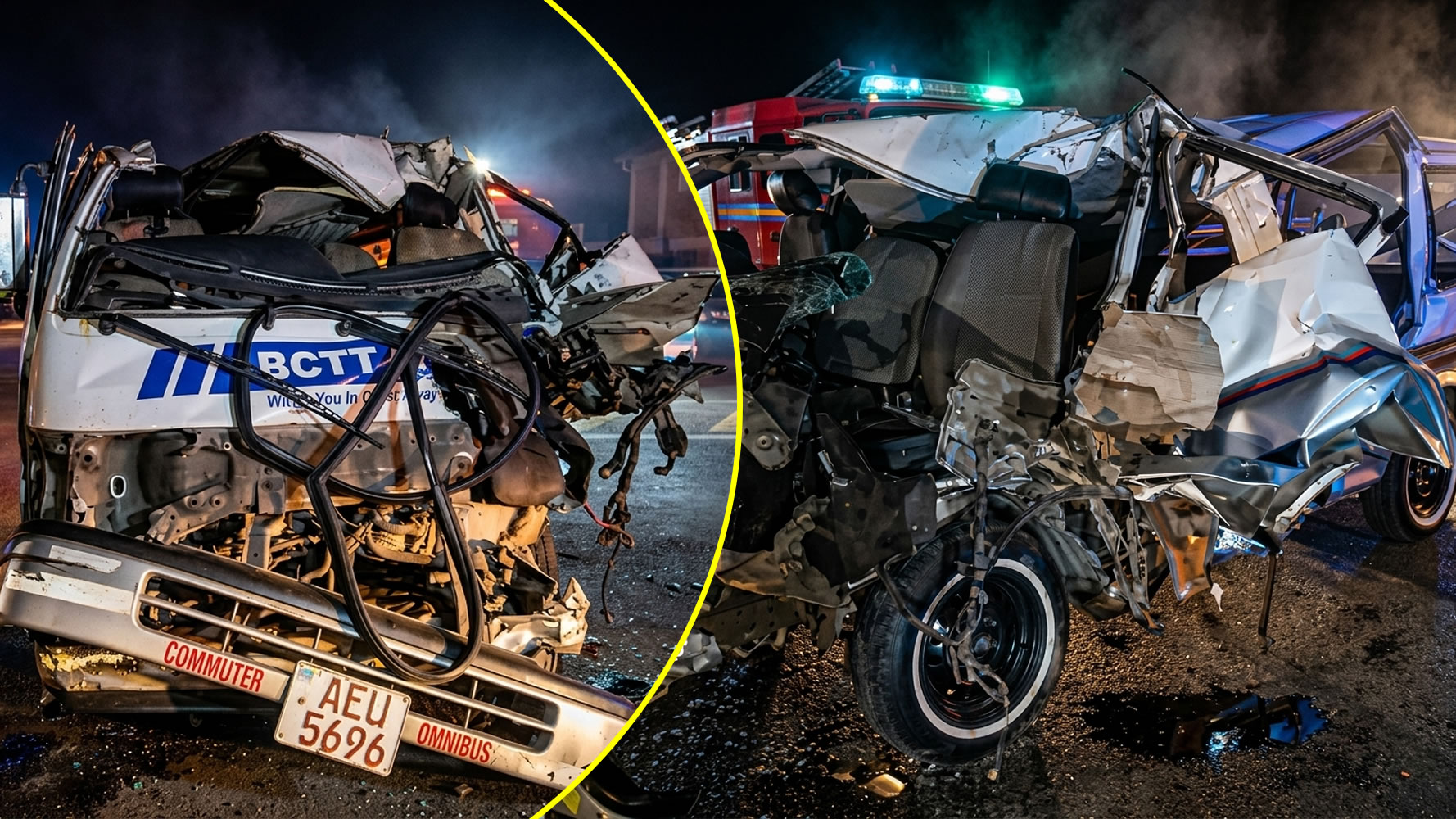
BULAWAYO — The heavy silence of the night at the Monarch Turn along Khami Road was violently shattered on Friday evening by the screech of tyres and the sickening, metallic crunch of a high-speed collision. In a heartbeat, what began as a routine commute for seventeen souls transformed into a scene of absolute devastation, leaving one person dead and sixteen others fighting for their lives in hospital. The accident involves a commuter omnibus—locally known as a kombi—and a seven-tonne truck, a pairing that has become increasingly lethal on the country’s highways.
The incident, which occurred on the night of 15 May 2026, is not merely a local tragedy; it is the latest bloody chapter in a week of unprecedented road carnage across Zimbabwe. As families huddled in the dimly lit corridors of Mpilo Central Hospital, the events at Monarch Turn served as a grim, visceral reminder of the daily gamble taken by thousands who rely on an informal and often precarious public transport system.
The Fatal Collision at Monarch Turn
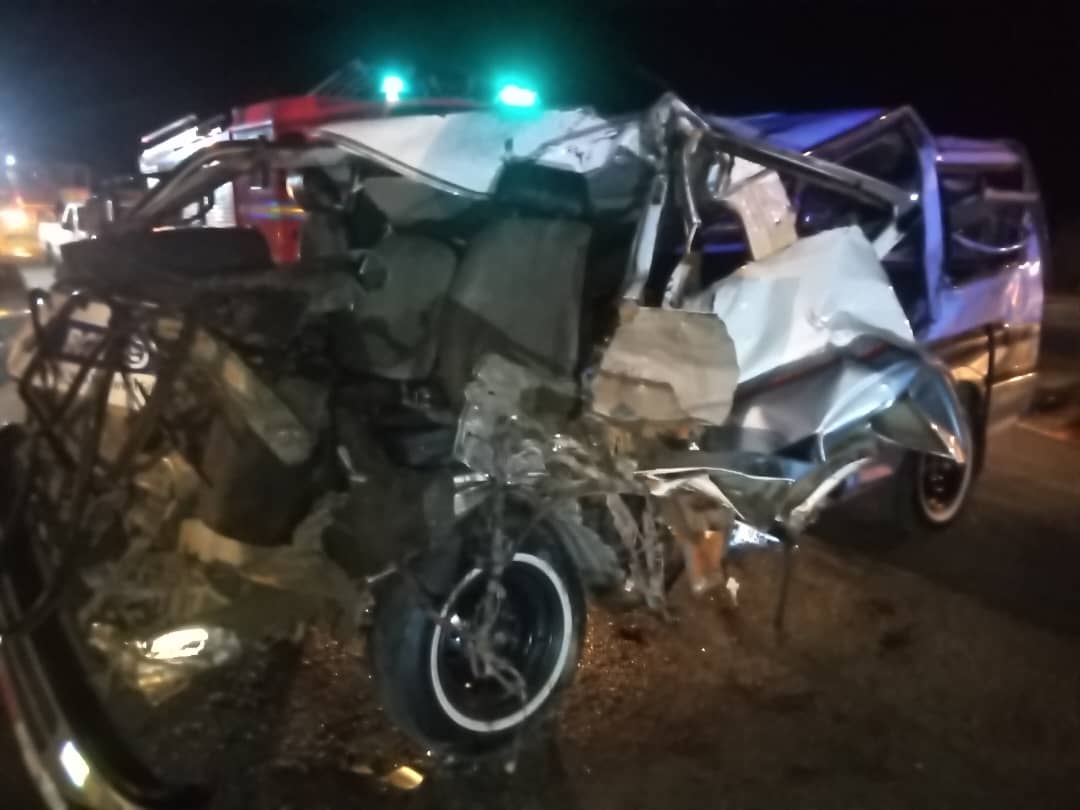
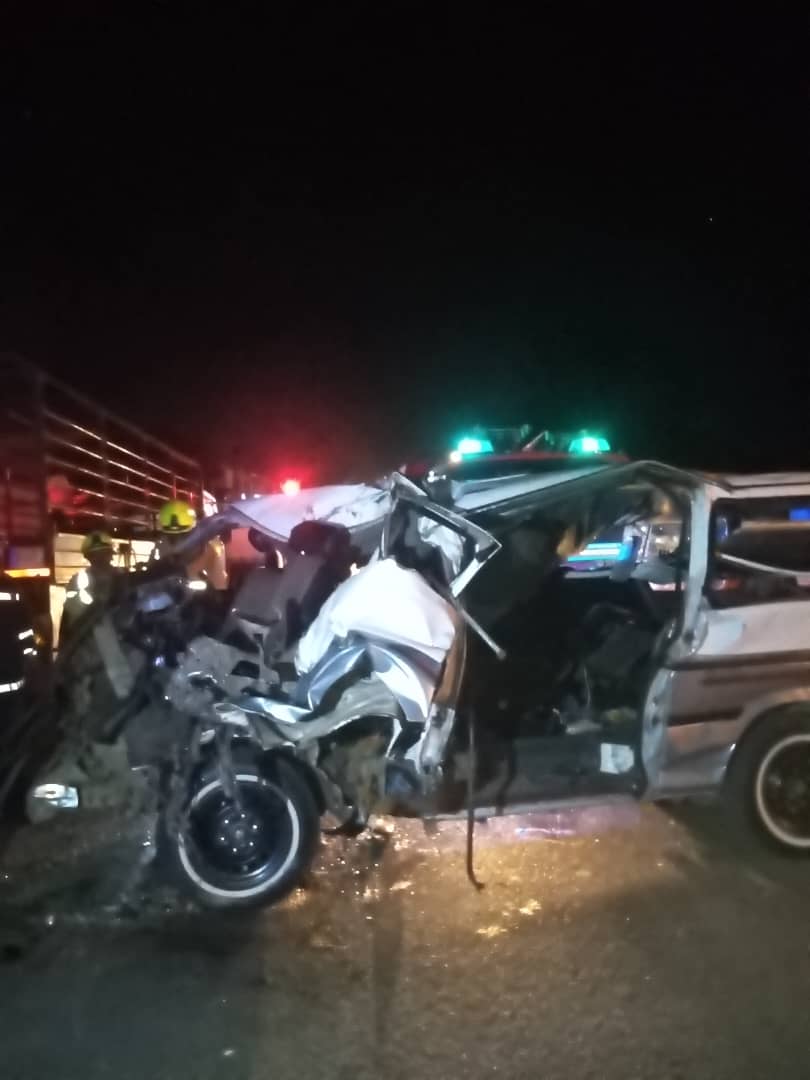
According to official reports provided by the Zimbabwe Republic Police (ZRP), the kombi was plying its usual route, likely ferrying workers home or to their next destination, when disaster struck. The impact was so severe that the smaller passenger vehicle was reduced to a mangled heap of steel, its frame twisted almost beyond recognition, trapping screaming passengers within the wreckage.
Obey Sibanda, an eyewitness and reporter who arrived shortly after the collision, described a scene of pure chaos. The emergency services, hampered by the darkness and the sheer scale of the wreckage, worked frantically to extricate the survivors. The initial report was stark:
“ONE person died and 16 were seriously injured when a commuter omnibus collided with a seven-tonne truck at the Monarch Turn along Kami Road in Bulawayo on Friday night.”
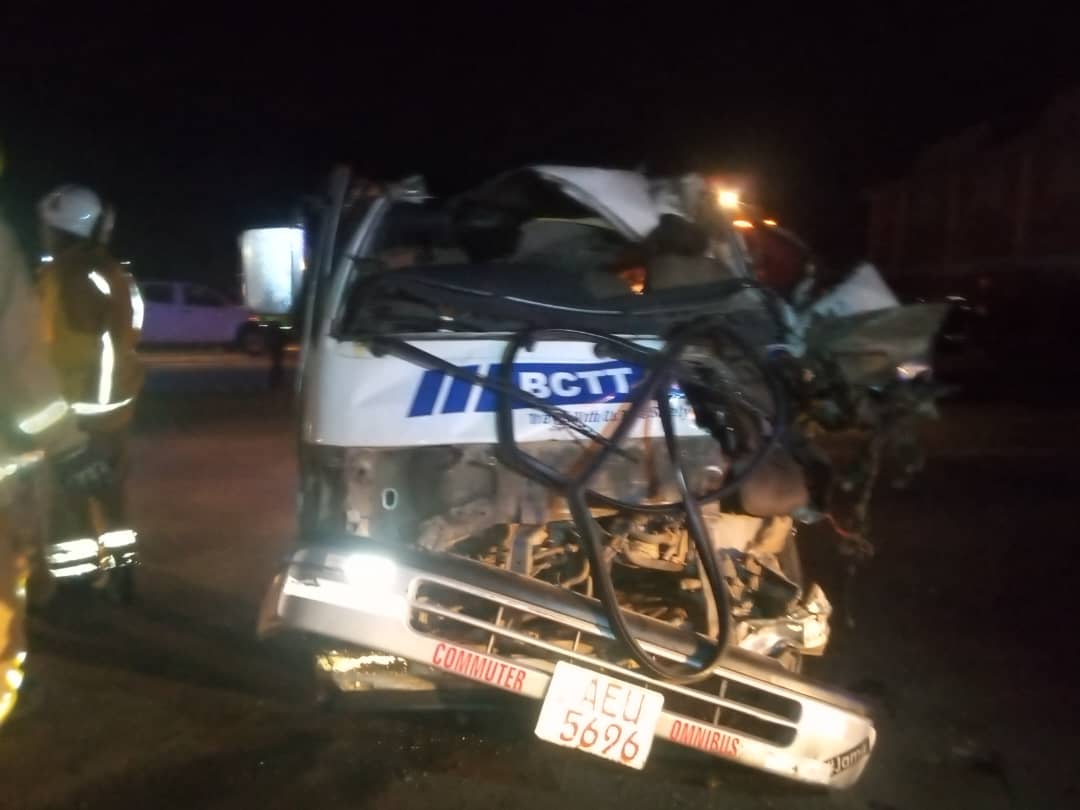
The Monarch Turn has long been a point of contention for Bulawayo’s motoring public. Local drivers often speak in hushed tones about the treachery of this particular stretch of Khami Road, citing poor lighting and the awkward angle of the turn as contributing factors to numerous near-misses. Friday’s tragedy has brought these long-standing fears into sharp, painful focus. While the ZRP continues its forensic investigation into the exact mechanics of the crash, the severity of the injuries points toward a high-speed impact that left the occupants of the kombi with almost no chance of avoiding harm.
A Week of National Mourning
The Bulawayo crash does not stand alone. It is the culmination of a horrific seven-day period that has seen Zimbabwe’s arterial roads turn into virtual killing fields. Just three days prior, on 13 May 2026, the nation was gripped by news of another catastrophic accident on the Harare-Masvingo Road—a highway notorious for its narrow lanes and heavy haulage traffic.
In that incident, which unfolded in the early hours of Tuesday morning at approximately 1:30 a.m. near the 220km peg, an Asian Star bus carrying sixty passengers met with disaster. The circumstances were hauntingly similar to the Bulawayo crash: a heavy vehicle and a passenger carrier colliding in a deadly embrace.
The ZRP’s official statement on the Harare-Masvingo tragedy provided a chilling account of the final moments:
“The driver of an Asian Star bus travelling from Masvingo to Harare with 60 passengers on board attempted to avoid hitting a pedestrian, encroached onto the oncoming lane, and was involved in a head-on collision with a Mercedes-Benz Atego truck carrying two passengers.”
The sheer force of the collision caused the massive bus to veer wildly off the tarmac, overturning and eventually coming to rest on its side. In a cruel, ironic twist of fate, the truck—having already collided with the bus—then struck the very pedestrian the bus driver had risked everything to save.
“Four people died on the spot: the truck driver, two passengers in the truck, and the pedestrian, while four passengers from the bus sustained injuries,” the police added. “The bodies of the victims were taken to Mvuma Hospital Mortuary for post-mortem.”
Carnage on the Victoria Falls Road
The bloodletting did not stop there. On Monday afternoon, 11 May 2026, the Bulawayo–Victoria Falls Road—a primary route for international tourists and local trade alike—claimed more victims. A commuter omnibus, reportedly travelling at high speed, lost control and overturned, leaving several passengers with life-altering injuries.
Eyewitnesses at the scene described the vehicle rolling multiple times before landing in the thick brush that lines the highway. While miraculously no fatalities were recorded in the immediate aftermath of the Victoria Falls Road incident, the number of “serious” injuries has placed further strain on the already overextended medical facilities in the region.
The Systemic Failure of Transport Regulation
To the seasoned investigative journalist, these accidents are not “accidents” in the truest sense of the word. They are the predictable, almost inevitable consequences of a transport system under immense structural strain. The rise of “mushikashika”—unlicensed pirate taxis—and the continued reliance on ageing, poorly maintained kombis have created a volatile environment where safety is often sacrificed for speed and profit.
Drivers are frequently under immense pressure from vehicle owners to meet daily cash targets, leading to a culture of reckless overtaking, speeding, and a blatant disregard for basic road safety protocols. The Monarch Turn incident is a case in point. While the police investigation is ongoing, the questions of vehicle roadworthiness and driver fatigue remain central to the public discourse.
“Condolences to family and friends,” wrote Dickson Majaha, a Bulawayo resident, on a social media forum dedicated to local news. His words echo the sentiment of a city that has become tragically accustomed to such headlines. Yet, as many have pointed out, condolences do nothing to fix the potholes, the lack of street lighting, or the corruption that allows unroadworthy vehicles to pass through police checkpoints with a simple bribe.
The Sobering Statistics of Road Carnage
The numbers behind the tragedy are staggering. During the 2026 Easter holiday period, the ZRP recorded a total of 337 road traffic accidents across the country. While authorities were quick to point out that this was a slight decrease from the 384 accidents recorded during the same period in 2025, the death toll remained unacceptably high. Thirty people lost their lives in just a few days of holiday travel, proving that despite high-profile police campaigns and increased highway patrols, the slaughter on the roads continues unabated.
Earlier this month, on 5 May 2026, the Harare-Chirundu highway became the site of another international tragedy. A fatal collision claimed the lives of three foreign nationals and left fifteen others injured. The geographical spread of these incidents—from the southern hub of Bulawayo to the northern border at Chirundu, and the central artery of Masvingo—suggests a national crisis that has spiralled out of control.
The Human Element: Beyond the Headlines
Behind every police report and every news snippet is a human story of profound loss. At Monarch Turn, the individual who lost their life was not just a statistic; they were a child, perhaps a parent, a breadwinner, or a friend. The sixteen survivors are now facing a future of physical pain and psychological trauma. Some may never return to work; others will be haunted by the sounds of the crash every time they close their eyes.
The emergency response on Friday night was a testament to the courage of the first responders and the ordinary citizens who stopped their cars to pull the injured from the mangled kombi. However, the limitations of the local healthcare system mean that for many of the survivors, the struggle is only just beginning. Mpilo Central Hospital, while staffed by dedicated professionals, often lacks the basic supplies and advanced equipment needed to treat complex trauma cases effectively.
A Call for Radical Accountability
As the wreckage is cleared from Khami Road, the call for a radical overhaul of Zimbabwe’s road safety strategy has never been louder. The ZRP, through spokesperson Commissioner Paul Nyathi, has repeatedly issued warnings against speeding and the use of unroadworthy vehicles. During a recent press briefing, the Commissioner stated:
“The Zimbabwe Republic Police warn those who take risks on the road that the law will take its course. We urge all motorists to exercise extreme caution and to value human life above all else.”
Yet, for many Zimbabweans, these statements ring hollow. Without significant investment in the country’s crumbling road infrastructure and a transparent, corruption-free licensing system, the “Second Republic’s” promises of safer roads remain mere rhetoric. The Monarch Turn crash should be a watershed moment—a point where the government and the public alike say “enough is enough.”
It is no longer sufficient to blame “human error” when the entire environment is designed in a way that makes error inevitable. From the pitch-black stretches of the Bulawayo highways to the high-pressure economics of the kombi industry, the factors contributing to this carnage are well-documented and widely understood.
Conclusion: A Nation at a Crossroads
The night of 15 May 2026 will be etched into the memories of the victims’ families as the moment their world collapsed. For the rest of Zimbabwe, it is another headline in a relentless cycle of tragedy.
One killed. Sixteen injured. Four dead in Masvingo. Several maimed on the Victoria Falls Road. The tally of the dead and injured continues to rise, and the roads continue to swallow the lives of those who have no choice but to use them. Until there is a fundamental shift in how road safety is managed—until the “mushikashika” are regulated, the roads are repaired, and the law is enforced without fear or favour—the Monarch Turn will not be the last site of such senseless sorrow.
The investigative journey into these crashes reveals a truth that the nation can no longer afford to ignore: our roads are a mirror of our national struggles. They reflect our failures in infrastructure, our lapses in regulation, and, most poignantly, the low value sometimes placed on the lives of the ordinary citizens who traverse them. As Bulawayo mourns its latest loss, the rest of the country holds its breath, waiting for the next siren to pierce the night.