


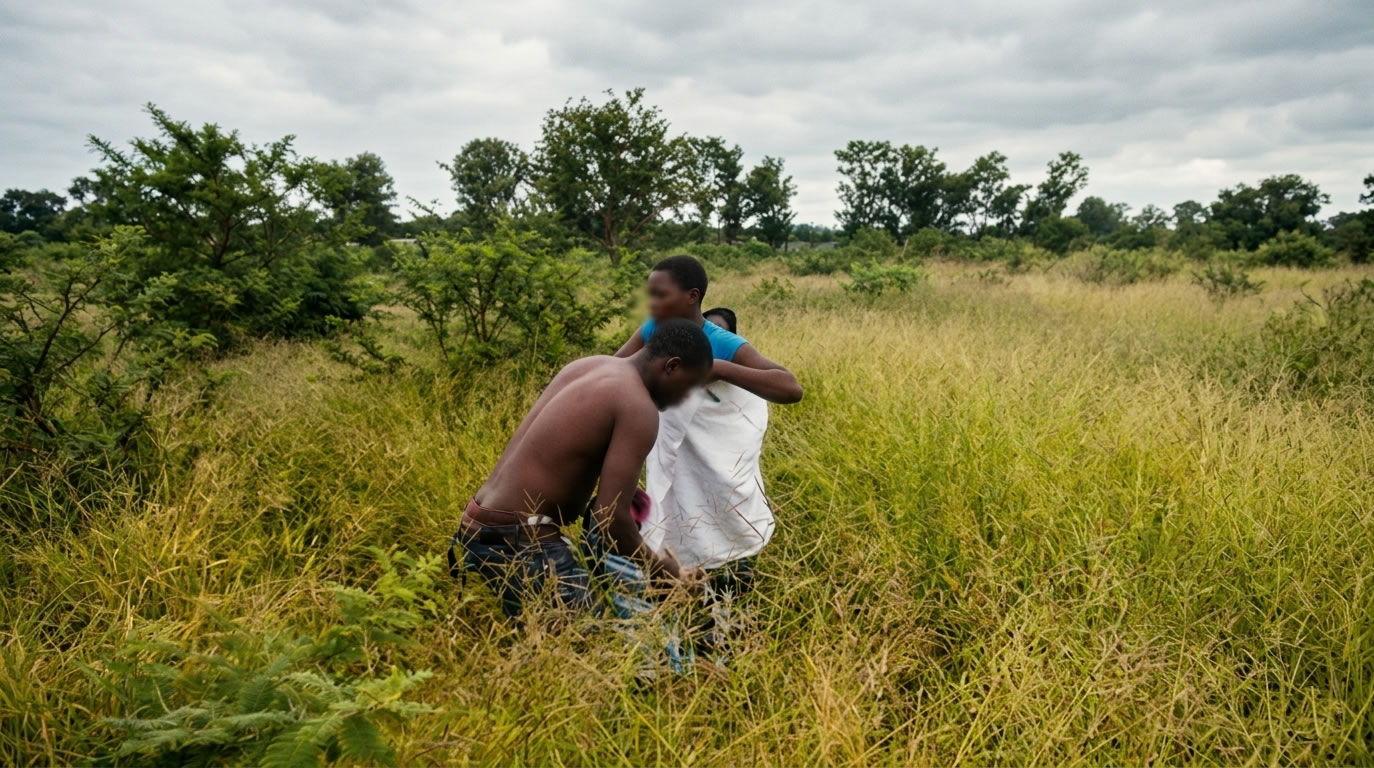
Beitbridge, a bustling border town nestled on Zimbabwe’s southern frontier, is grappling with a crisis far more insidious than its vibrant cross-border trade suggests. Beneath the veneer of commerce and transit lies a disturbing reality: a significant and escalating surge in cases of child sexual abuse and sexually transmitted infections (STIs). While official reports offer a glimpse into this troubling trend, an in-depth investigation reveals a more sinister picture, hinting at systemic failures, widespread underreporting, and a potential obfuscation of the true scale of the problem.
This report aims to expose the alarming statistics and personal testimonies that paint a grim portrait of vulnerability and exploitation within this community. We will delve into the complex socio-economic factors that fuel this crisis, scrutinise the response of local authorities, law enforcement, and health services, and question the effectiveness of current interventions. Is there a critical lack of resources, a pervasive culture of silence, or something more deeply entrenched preventing effective action? Our inquiry seeks to uncover the hidden dynamics that allow such abuses to proliferate, including the role of traditional beliefs, community complicity, and the immense challenges faced by victims in their quest for justice and support.
The Alarming Numbers: A Crisis Unfolding
The statistics emerging from Beitbridge are stark and deeply concerning. Data from a district hospital indicates a worrying increase in STI cases among young people. Between 2024 and 2025, STI cases among boys and girls aged 10 to 19 years rose from 211 to 228. This upward trajectory underscores a public health emergency that demands immediate attention, particularly given the vulnerability of this age group.
Beyond STIs, the region faces a severe HIV challenge. Matabeleland South, the province where Beitbridge is situated, records the highest HIV prevalence in Zimbabwe, standing at approximately 15%. This high prevalence creates a fertile ground for the spread of other STIs and exacerbates the health risks for those subjected to sexual abuse.
Adding to the grim picture are the frequent interceptions of children at the border. In January 2026 alone, multiple groups of undocumented children were intercepted. One incident involved 20 children, and another saw 33 minors, some as young as six months old and up to 17 years, found in buses and trucks attempting to cross into South Africa. These interceptions raise serious fears of child trafficking and exploitation, highlighting the perilous journeys undertaken by vulnerable youngsters.
Faces of Vulnerability: Personal Stories Behind the Statistics
The numbers, however chilling, only tell part of the story. Behind each statistic is a child whose innocence has been shattered. The human cost of this crisis is exemplified by harrowing individual cases. Recently, a 41-year-old man in Beitbridge was accused of raping and impregnating his 17-year-old stepdaughter while her mother was away attending a funeral. Such incidents underscore the pervasive nature of abuse, often occurring within the supposed safety of family homes.
These personal tragedies are often rooted in a complex web of socio-economic challenges that plague Beitbridge. The town’s position as a major transit point between Zimbabwe and South Africa, while economically vital, also creates unique vulnerabilities. The constant movement of truck drivers, cross-border traders, and other travellers transforms Beitbridge into a hotspot for the transmission of HIV and other STIs.
Poverty acts as a relentless driver of this exploitation. Many parents, desperate to find work and provide for their families, migrate to South Africa, often leaving their children behind with relatives or without adequate care. These children, lacking primary caregivers, become disproportionately exposed to abuse and sexual exploitation. The economic hardship also forces many young people to drop out of school, pushing them into precarious situations where they are easily preyed upon. Some pupils, for instance, travel over 20 kilometres daily to attend school, exposing them to
risky relationships and exploitation on their long commutes.
The Shadow of Tradition: Beliefs and Complicity
Compounding these socio-economic factors are deeply entrenched traditional beliefs and practices that, in some instances, inadvertently fuel the crisis. Practices such as “sexual cleansing” rituals and “virginity testing” persist in certain communities. More disturbingly, the pernicious “virgin cleansing myth”—the false belief that having sexual intercourse with a virgin can cure HIV/AIDS—continues to endanger young girls. While not all academics agree on the widespread impact of this myth, its existence, even in isolated instances, contributes to the vulnerability of children to sexual abuse.
Community complicity, often born out of fear, ignorance, or a desire to protect family honour, further entrenches the problem. The silence surrounding these abuses makes it incredibly difficult for victims to come forward and seek justice. Nicholas Ndou of the Department of Child Protection acknowledged this challenge, stating, “Through the ‘Not In My Village’ campaign, communities are now more open in reporting rape and abuse cases, which were previously hidden due to fear and stigma”. This statement, while highlighting progress, also implicitly reveals the historical prevalence of underreporting.
Authority Response: Interventions and Inadequacies
In response to the escalating crisis, various stakeholders, including the National AIDS Council (NAC) and traditional leaders, have launched campaigns such as “Not In My Village.” Chief Matibe, a prominent traditional leader, articulated the campaign’s ethos, stating, “The phrase ‘Not In My Village’ reflects a united stand by communities against practices that place young girls and children at risk”. Edward Mulaudzi, the Beitbridge District AIDS Coordinator, further emphasised the importance of community engagement, noting, “Empowering traditional leaders and communities is key to reducing early child marriages, lowering HIV infections, and building safer rural communities”.
These initiatives, while commendable, often face an uphill battle against deeply ingrained issues and systemic failures. The sheer scale of cross-border movement, for instance, makes effective monitoring and intervention incredibly challenging. Beitbridge district, being a busy border post with South Africa, remains particularly vulnerable to HIV infections due to the constant flow of truck drivers, cross-border traders, and travellers.
Furthermore, the infrastructure to protect children is often inadequate. The long distances pupils travel to school, exposing them to exploitation, is a case in point. While low-cost boarding facilities are being introduced to mitigate this risk, their availability and accessibility remain critical concerns.
The Dark Underbelly of the Border: Trafficking and Exploitation
The border town’s unique geography also makes it a nexus for child trafficking and smuggling. A study by Mabvurira et al. (2022) sheds light on the disturbing mechanisms of child exploitation at the Beitbridge border. The distinction between smuggling—illegal transport across borders—and trafficking—which involves exploitation—is often blurred, with both posing grave dangers to children.
Key players in this illicit trade include “malaicha” (cross-border transporters) and “gumaguma” (border jumping mafia) who facilitate the illegal movement of people. Children are often hidden in perilous ways, such as under car seats, in buses, or carried on backs across the Limpopo River. The financial incentives are significant, with smuggling a child to South Africa costing between ZAR 1500 to ZAR 2000, or approximately USD 80 to USD 100.
The study also exposes a disturbing level of corruption among border officials. One quoted individual revealed, “We pay the immigration officials and police, so that they won’t bother us. They know the systems, who doesn’t want money”. This suggests a systemic breakdown in law enforcement, where officials, meant to protect the vulnerable, are instead complicit in their exploitation.
The risks faced by these children are horrifying. They are exposed to rape, beatings in the bushes, and in some extreme cases, even killing for ritualistic purposes. “Some were reported to be raped or beaten in bushes where they will be trying to evade border guards,” the study notes. To evade detection, children are often coached to present traffickers as relatives, claiming they are travelling with an “aunt” or “uncle”.
An international truck driver, quoted in the same study, articulated a chilling indifference to the welfare of these children: “Yes we ferry people including children across the border. Most of them will be going to Johannesburg and it’s not my duty to ask the relationship between the adults and the children. Once I get my money all is well….”. This statement highlights a profound moral vacuum that allows such abuses to continue unchecked.
The Unspoken Truth: A Call for Transparency and Accountability
The evidence points to a crisis far deeper and more widespread than official narratives often suggest. The surge in child sexual abuse and STIs in Beitbridge is not merely a collection of isolated incidents but a symptom of profound systemic vulnerabilities. The interplay of poverty, cross-border migration, traditional beliefs, and institutional inadequacies creates a fertile ground for exploitation.
The lack of transparency and accountability from authorities remains a critical concern. While campaigns like “Not In My Village” are positive steps, they must be accompanied by rigorous enforcement, robust protective measures, and a genuine commitment to addressing the root causes of the problem. The question posed by a taxi driver in the Mabvurira et al. study resonates deeply: “Why is it that the malaicha is never robbed or arrested by the police? This is organised crime…”. This question underscores the urgent need for a more effective and uncompromised response from law enforcement.
The long-term consequences of this crisis are devastating, impacting the physical and psychological well-being of affected children and posing significant public health implications due to unchecked STI transmission. Beitbridge’s dark secret demands urgent attention, challenging the official narrative and advocating for greater transparency and accountability to protect the most vulnerable members of Zimbabwean society.