


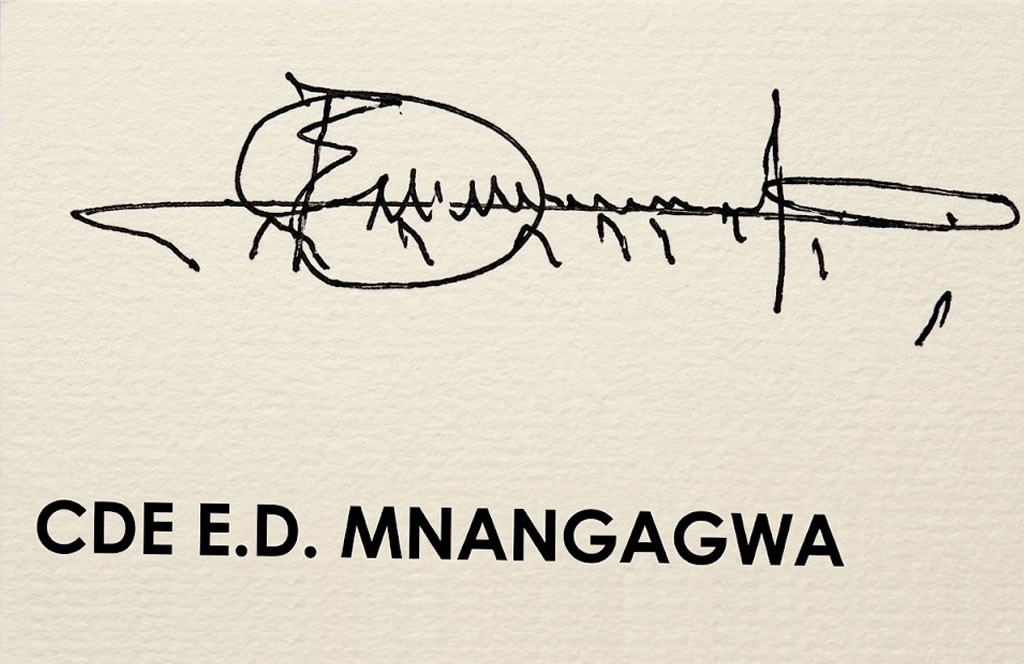
Harare – Joseph Kanyekanye, a name once synonymous with industrial leadership in Zimbabwe, now finds himself at the heart of a sprawling fraud investigation that has captivated public attention. The former president of the Confederation of Zimbabwe Industries (CZI) and current Executive Chairperson of Alliance Holdings, Kanyekanye, 58, stands accused of an elaborate scheme involving extortion, fraud, and money laundering, totalling a staggering US$663,480.75. The allegations include the audacious act of forging President Emmerson Mnangagwa’s signature to facilitate the illicit transfer of funds, a charge that underscores the gravity of the case.
Kanyekanye’s legal troubles began with his initial court appearance on a Saturday, followed by a bail application hearing. He remains in custody, awaiting a ruling on his bail, as prosecutors meticulously lay out a case that paints a picture of calculated deception and abuse of influence. The central victim in this intricate web of alleged deceit is Pharmaceutical and Chemical Distributors (PCD) (Pvt) Ltd, specifically its director, Shar Prashanta.
The Elaborate Scheme Unravels
The state’s narrative details a sophisticated operation that unfolded between March and April 2026. According to court documents, Kanyekanye, allegedly working with accomplices who are yet to be apprehended, exerted immense pressure on PCD to release substantial sums of money. The pretext for these demands was a purported need for funds to support Independence Day celebrations in Maphisa, Matabeleland South. This claim, prosecutors argue, was a deliberate fabrication designed to lend an air of national importance and urgency to the illicit requests.
Central to the fraud charge is the alleged forgery of a letter bearing President Mnangagwa’s signature. This document, purportedly an official instruction, was addressed to the Permanent Secretary in the Ministry of Finance, Economic Development and Investment Promotion, George Guvamatanga. The letter, according to the state, falsely requested the release of funds from Treasury Bills held by Prashanta. Kanyekanye, it is alleged, had no authority whatsoever to generate such a letter, yet it was presented to ministry officials as a genuine presidential directive.
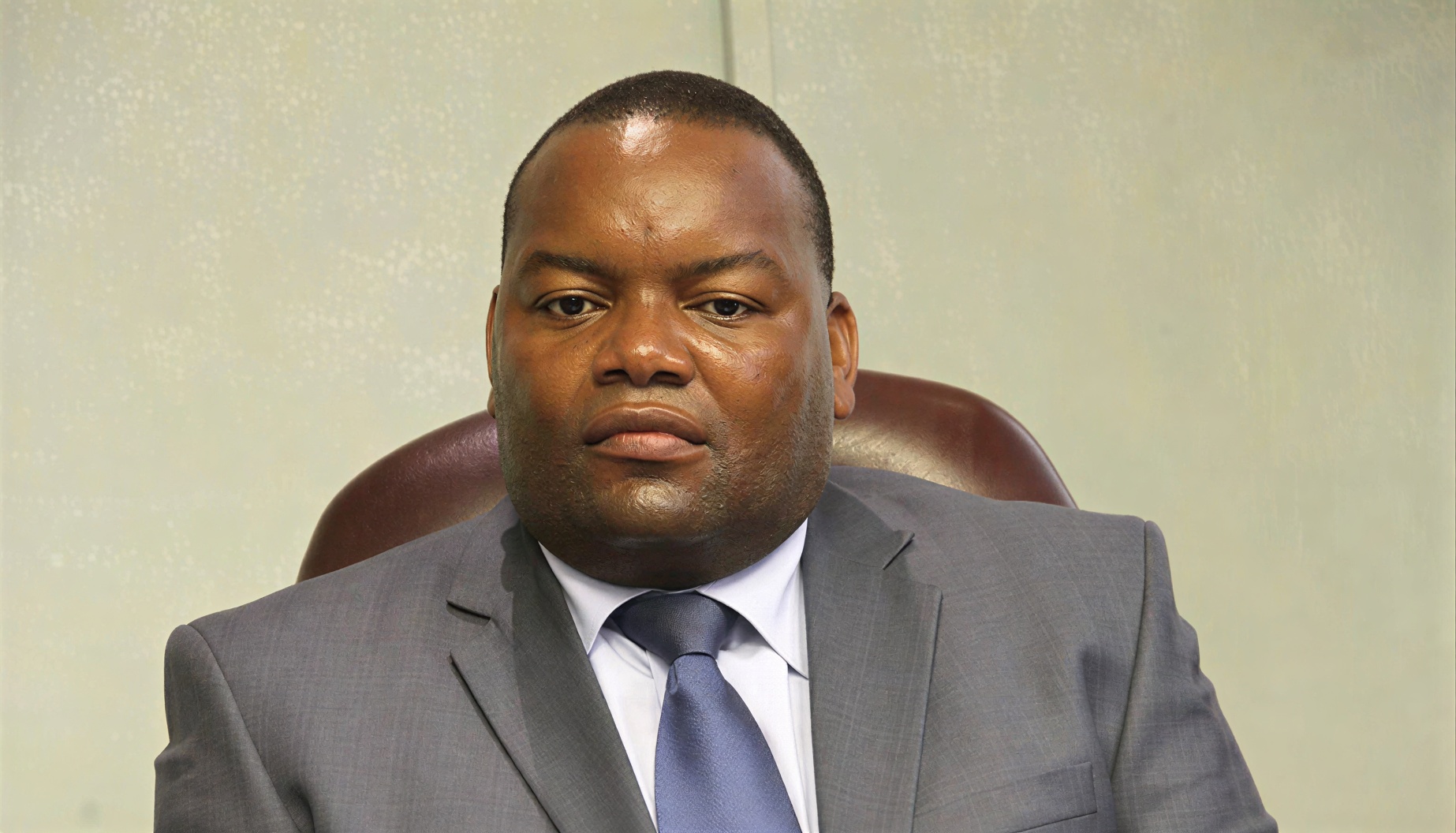
Believing the instructions to be authentic, the Ministry of Finance proceeded to release approximately US$1.8 million into Prashanta’s account. This initial transfer set the stage for the subsequent alleged extortion. With the funds now in Prashanta’s possession, Kanyekanye and his accomplices allegedly intensified their pressure. The court heard that Kanyekanye threatened Prashanta with “unspecified consequences” if he failed to comply with the demands, including potential prejudice to his business interests. This coercive tactic, designed to instil fear, ultimately led to Prashanta transferring US$884,641 to his lawyers’ trust account.
However, the alleged scheme did not end there. Kanyekanye then reportedly showed the forged letter to both Prashanta and his lawyer, reiterating the false claim that the money was urgently required for the Independence Day celebrations. Under this continued duress and deception, the lawyer’s trust account transferred US$663,480.75 to a Jemina Capital CBZ account (number 10825844540029) on April 17, the eve of Independence Day. Prosecutors contend that this money was never used for the stated national celebrations but instead benefited Kanyekanye and his alleged co-conspirators.
Money Laundering Allegations and Unrecovered Funds
Adding another layer to the charges, Kanyekanye faces accusations of money laundering. The state alleges that between March and April 2026, he and his accomplices converted the US$663,480.75 – the proceeds of the alleged fraud and extortion – by transferring it to various third-party accounts. This action, prosecutors argue, was a deliberate attempt to conceal the illegal origin, nature, and ownership of the funds. A significant concern in the ongoing investigation is that, to date, nothing from the defrauded amount has been recovered.
A History of Controversy: Kanyekanye’s Past
This is not the first time Joseph Kanyekanye has found himself embroiled in controversy. His tenure as the chief executive officer of Allied Timbers Zimbabwe was marked by significant legal battles and allegations of mismanagement. In 2019, Allied Timbers initiated a US$10 million lawsuit against Kanyekanye, seeking to recover funds allegedly lost through unlawful hefty payments and questionable practices during his leadership. He had resigned from Allied Timbers in 2014 amidst accusations of nepotism and corruption, although he vehemently denied these claims at the time. These past incidents, while distinct from the current charges, paint a picture of a business executive whose career has been punctuated by serious financial and ethical questions.
Broader Context: A Pattern of Forgery and Corruption in Zimbabwe
The alleged forgery of President Mnangagwa’s signature by a high-profile individual like Kanyekanye highlights a deeply troubling aspect of Zimbabwe’s financial and political landscape: the recurring issue of high-level fraud and corruption. The use of forged signatures on official documents, particularly those involving prominent figures, is not an isolated incident in the country. There have been previous reports of forged signatures on legal documents, including those of prosecutors, underscoring a systemic vulnerability to such illicit activities.
Furthermore, the involvement of Treasury Bills in this alleged scheme brings to light the broader problem of financial scandals within Zimbabwe’s public sector. The country has a documented history of corruption, with various reports and indices, such as Transparency International’s Corruption Perceptions Index, consistently highlighting widespread concerns. The United States, in March 2024, even imposed sanctions on several Zimbabwean individuals, including President Mnangagwa, and entities for their alleged involvement in corruption or serious human rights abuses. This broader context suggests that Kanyekanye’s case, while significant, may be symptomatic of deeper structural issues within the nation’s governance and financial systems.
The alleged manipulation of the Ministry of Finance through forged instructions also raises questions about the robustness of internal controls and verification processes within government departments. The fact that a substantial sum of US$1.8 million could be released based on a purportedly fraudulent letter suggests potential weaknesses that could be exploited by those seeking to illicitly gain from public funds or private assets.
The Road Ahead
As Joseph Kanyekanye remains in custody, the legal proceedings are expected to be closely watched. The outcome of his bail application and the subsequent trial will not only determine his fate but could also shed further light on the mechanisms of high-level fraud in Zimbabwe. The case serves as a stark reminder of the persistent challenges posed by corruption and the critical need for transparency and accountability in both public and private sectors. The pursuit of justice in this matter is crucial, not only for the victims of the alleged fraud but also for reinforcing public trust in the integrity of the nation’s institutions.
The investigation continues, with authorities keen to apprehend Kanyekanye’s alleged accomplices and recover the substantial sum of money that remains unaccounted for. The resolution of this case will undoubtedly be a significant moment for Zimbabwe, potentially influencing future efforts to combat financial crime and uphold the rule of law.