


The Flesh-Hungry Shadows: Inside the Spiritual Torment Gripping Zvimba
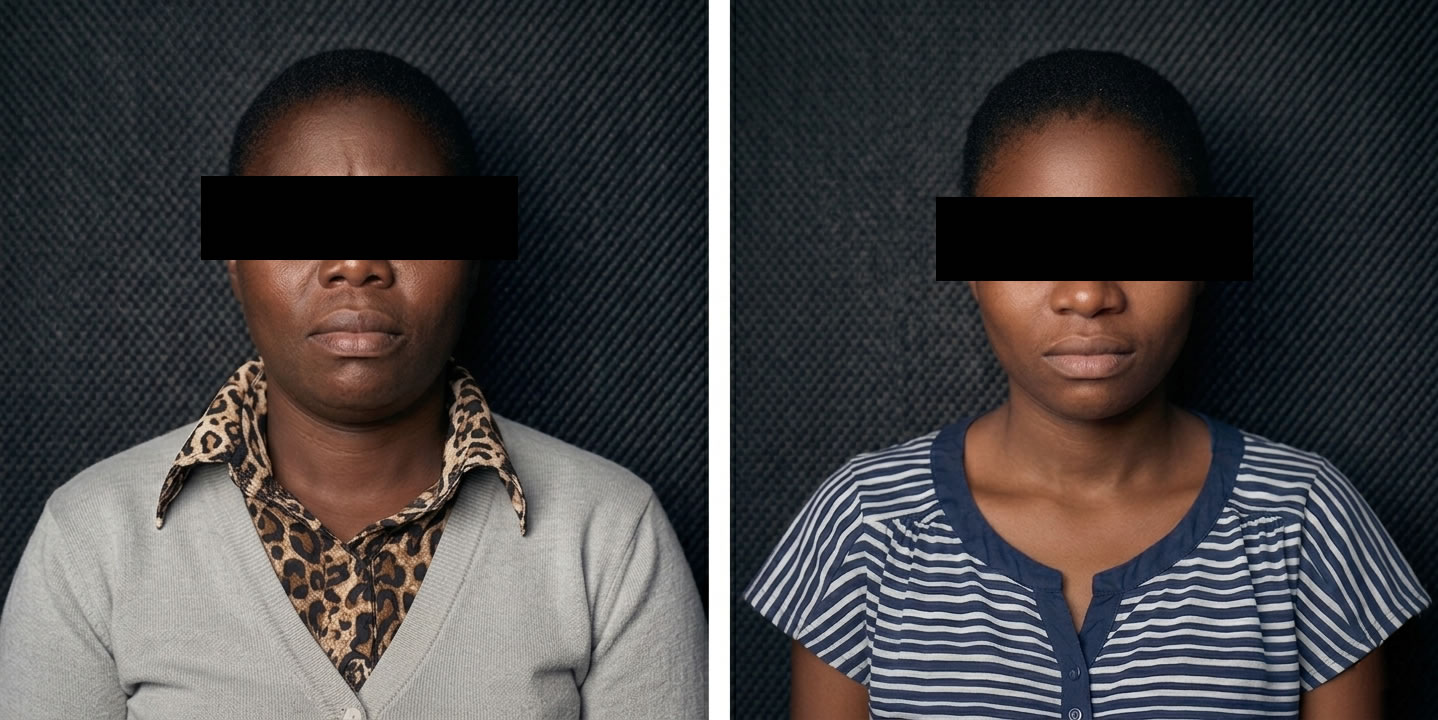
In the quiet, dust-blown reaches of Headman Mugugu’s area, under the jurisdiction of Chief Zvimba, a terrifying drama has been unfolding for three years—one that defies the clinical logic of modern medicine and plunges deep into the heart of traditional Zimbabwean belief systems. At the centre of this harrowing ordeal is a twenty-one-year-old woman. To protect her identity, we shall call her Chipo. For thirty-six months, Chipo has not merely been ill; she has been the vessel for a spirit that her family claims is demanding a price no human should ever have to pay: the consumption of human flesh.
The atmosphere in the family home is thick with a mixture of grief and an almost palpable dread. Chipo’s mother, a woman whose face bears the deep furrows of a parent who has watched her child waste away to a near-skeletal state, speaks with a quiet, desperate intensity. She describes a haunting that began three years ago, initially manifesting as physical ailments that doctors struggled to categorise.
“My daughter has been afflicted by this spirit for three years,” she told us, her voice steady despite the weight of her words. “It claims to be from ‘zvikwambo’ (goblins or familiars) or ‘zvidhoma’ (evil spirits) and speaks, mentioning the name of a close male relative from our rural home. This spirit says that their turn to kill someone and eat their flesh with their associates has come, so it wants to kill my daughter.”
The manifestation of this spirit is not a silent affair. According to her mother, when the entity takes hold of Chipo, it declares with chilling certainty that time is running out. The countdown to a ritualistic death is, in the spirit’s view, well underway. “This child just started getting sick three years ago. Her stomach swelled and then subsided. She was once diagnosed with diabetes and many other conditions. Over time, this spirit began to manifest, saying it wanted human flesh. When asked why it says this, it claims it just desired this child,” her mother explained.
The physical toll on Chipo is devastating. Once a vibrant young woman, she is now emaciated to the extreme. Perhaps most tragic is the sudden loss of her sight, an affliction the family attributes directly to the spiritual interference. Chipo herself describes the moment the lights went out on her world. “It was in January this year that I became blind. Something I didn’t recognize just landed on my eyes,” she recalled.
However, the blindness is only one facet of her nightly terrors. Chipo speaks of a sensory nightmare that persists even in her darkness. She feels the presence of a predator that no one else can see. “I feel a snake entering the blankets where I sleep, coiling around my legs up to my waist, and licking me,” she said, her voice trembling. “When this snake coils around me, I scream, and my mother comes, but she then says she doesn’t see any snake.”
Her mother confirms these nocturnal disturbances, noting that the young woman often wakes up screaming, convinced that her blood is being siphoned away by unseen forces. “Currently, this child is emaciated to the extreme. She is said to be having her blood sucked by snakes and zvikwambo. She sees various things in her dreams, which makes her wake up at night crying,” she added.
This case, while extreme, is not an isolated phenomenon in the region. Our investigation has uncovered startlingly similar reports in nearby Norton, where another family is currently living through a mirror-image of Chipo’s nightmare. Revai Ngirazi Bota, a forty-six-year-old mother from the Kalfa suburb, is pleading for help for her two children who exhibit symptoms that have left their community in a state of quiet alarm.
In the Norton case, Mrs Bota’s twelve-year-old son reportedly exhibits animalistic behaviour that defies explanation. He has been observed digging into the hard earth with his bare hands, much like an ant bear or a wild pig, seemingly immune to the physical trauma such actions should cause. More disturbingly, the boy has been known to bite his own legs, consuming his own flesh and chewing his tongue during episodes where he claims to be under attack by invisible entities.
The parallels between the two cases are striking. Like Chipo, the Bota children have seen their education and futures evaporated by their conditions. Mrs Bota’s fifteen-year-old daughter undergoes facial transformations that her mother describes as “animalistic,” leading to relentless bullying and social isolation. And, in a chilling echo of Chipo’s experience, Mrs Bota herself reports nightmares of a large snake coiled around her legs—a vision so vivid that she feels the creature’s presence in the room long after she has woken.
The economic impact of these “spiritual” afflictions is as devastating as the physical symptoms. Chipo’s family has been stripped of everything in their quest for a cure. “We sold all our belongings and livestock, travelling with this child to get her treated, but this spirit keeps manifesting,” her mother lamented. “Now she can no longer see. I even carry her because her legs have no strength. I brought her here to Harare to seek help from prophets, traditional healers, or even hospitals. We have no money left. We left her father at home because there was no bus fare.”
The journey from Zvimba to the capital, Harare, was a final, desperate roll of the dice. With the father left behind in the rural home due to the sheer lack of funds, the two women have arrived in the city with nothing but the clothes on their backs and a story that many find difficult to believe, yet few can ignore.
In the world of Zimbabwean traditional healing, these cases are often viewed through the lens of zvikwambo—goblins supposedly procured for wealth or protection that eventually turn on their owners or their owners’ families, demanding “payments” in the form of human life or blood. Gogo Shumba, a well-known traditional healer based in Harare, offered a perspective on the Zvimba case that underscores the complexity of these beliefs.
“This requires the family’s commitment to find the truth,” Gogo Shumba stated. “The spirit manifesting in this girl needs to be brought forth, to reveal its origin, and be returned to its owner.”
The “truth” Gogo Shumba speaks of often involves uncovering hidden family secrets or long-forgotten rituals. For Chipo, however, the “truth” is a blur of possession and pain. She admits that when the spirit takes over, her own consciousness retreats. “This spirit claims there is a group of witches, men and women, who are waiting to eat my flesh. They are said to be over twenty in number and are from Zvimba,” she said, relaying what she has been told by those who witness her manifestations. “My stomach once swelled, I was treated, and it subsided. Now I can’t walk because my legs have no strength.”
The intersection of these spiritual claims and medical reality is where the tragedy deepens. Chipo was at one point diagnosed with diabetes, and her swelling stomach was “treated,” yet the family remains convinced that these are merely the physical symptoms of a metaphysical cause. In Norton, Mrs Bota has taken her children to hospitals on numerous occasions, only to be told by medical professionals that there is no identifiable physical ailment.
This gap between what the stethoscope can hear and what the heart believes has created a lucrative, yet often predatory, industry of self-proclaimed prophets and healers. Mrs Bota estimates she has visited thirty-one different spiritual practitioners, spending vast sums of money with no result. Chipo’s family, too, has found themselves at the mercy of anyone promising a reprieve from the “flesh-eating” spirits.
As we sat with Chipo in a small, cramped room in Harare, the sheer exhaustion of her ordeal was evident. She is a young woman trapped in a body that is failing her, haunted by a mind that she is told is no longer entirely her own. The “group of twenty” witches she mentions—a shadowy cabal from her home district—represents a terrifying collective weight on her psyche.
The story of Chipo and the children in Norton highlights a recurring theme in the darker corners of Zimbabwean social life: the persistence of the “snake” and the “goblin” as symbols of familial or communal breakdown. Whether these incidents are manifestations of deep-seated psychological trauma, undiagnosed medical conditions, or, as the families believe, genuine spiritual warfare, the result is the same—the total destruction of the family unit.
For now, Chipo remains in a state of limbo. She cannot see the world around her, but she feels the “lick” of the snake and the “hunger” of the spirit. Her mother continues to carry her, both literally and figuratively, through the streets of Harare, looking for a miracle that has eluded them for three years. In the shadows of Zvimba, the spirit continues its demand, and a family waits, with dwindling hope, for the light to return to their daughter’s eyes.
The silence from the medical community on these specific cases is often interpreted by locals not as a lack of evidence, but as a lack of understanding. In the absence of a clinical cure, the “flesh-hungry” shadows continue to grow, leaving families like Chipo’s to navigate a terrifying landscape where the line between the living and the spirit world is drawn in blood and desperation.
|
Case Study
|
Location
|
Primary Symptoms
|
Alleged Cause
|
Status
|
|
“Chipo”
|
Zvimba
|
Blindness, emaciation, snake sensations, swelling
|
Zvikwambo / Zvidhoma
|
Ongoing, seeking help
|
|
Bota Children
|
Norton
|
Self-cannibalism, animalistic digging, facial changes
|
Witchcraft / Spirits
|
Ongoing, family abandoned by father
|
|
Norton Mother
|
Norton
|
Recurring nightmares of snakes coiling around legs
|
Spiritual initiation
|
Ongoing
|
The tragedy of Zvimba is not just the story of a girl who lost her sight; it is the story of a community’s struggle to reconcile the ancient with the modern, and the devastating cost of falling through the cracks of both.
Editorial Note: Names have been changed in some instances to protect the privacy of the individuals involved, particularly those who are minors or in vulnerable states.