


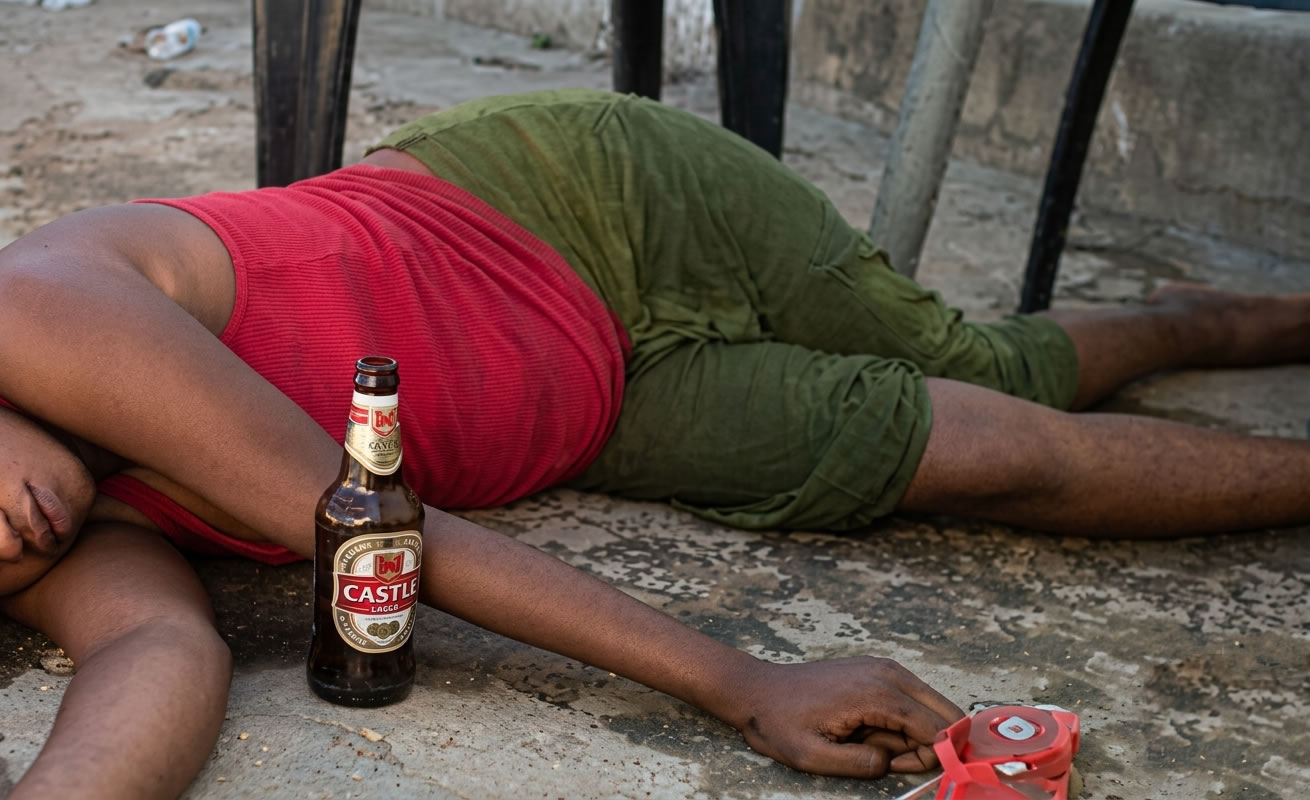
Shock as Police Reveal Alcohol Credit is a Crime, Arrests Loom
Harare – A recent declaration by the Zimbabwe Republic Police (ZRP) has sent ripples of concern through the nation, particularly among patrons and proprietors of drinking establishments. The police have unequivocally stated that the buying or selling of alcohol on credit constitutes a criminal offence under Zimbabwean law, a pronouncement that could lead to widespread arrests and significant changes in the country’s social drinking culture.
Chief Inspector Tonderai Brian Chigweshe, the Officer-in-Charge (Crime) at the Police General Headquarters, made this startling revelation during a series of stakeholder consultation workshops held recently in Mutare and Gweru. His statements have brought to the fore a long-standing but largely unenforced provision of the Liquor Licensing Act [Chapter 14:12], specifically Section 81, which mandates immediate payment for all alcohol transactions on licensed premises.
“The reality is that all alcohol sellers operate under the Liquor Licensing Act, but they do not know what is in this law. All they want to do is make a profit,” Chief Inspector Chigweshe remarked, highlighting a pervasive ignorance of the law within the industry. He further emphasised, “Many of you do not know that selling alcohol on credit is a crime. Even when alcohol is sold after closing hours, a person might claim not to know it’s an offence, but ignorance cannot be used as a defence to escape prosecution.”
This stern warning signals a significant shift in police enforcement strategy. For years, the practice of running a “tab” – where customers consume alcohol and settle their bills at a later time – has been commonplace across bars, bottle stores, and shebeens in Zimbabwe. This informal credit system, while convenient for some, has often led to mounting debts for patrons and financial instability for business owners. The ZRP’s renewed commitment to enforcing Section 81 aims to curb these issues, ensuring immediate payment for liquor and preventing the accumulation of unmanageable debt.
The Liquor Licensing Act [Chapter 14:12] Section 81 is explicit in its directive: “Subject to subsection (2), no person shall, in or on any licenced premises-: (a) supply for consumption therein or thereon; or (b) consume therein or thereon; any liquor unless it is paid for at the time when it is supplied.” This means that any transaction involving alcohol where payment is deferred, even for a short period, is now subject to legal repercussions. Penalties for non-compliance can be severe, ranging from substantial fines to the revocation of operating licenses for establishments and the acquisition of permanent criminal records for individuals involved.
However, the Act does provide certain exceptions to this strict rule. These include liquor sold in hotels to guests staying there, transactions under a club liquor license, and alcohol supplied with a bona-fide meal where payment for both is made at the conclusion of the meal. Additionally, moderate quantities of liquor provided for guests at social functions or given free of charge by an owner to friends or regular customers are also exempt. These nuances, often overlooked, are crucial for both operators and consumers to understand to avoid inadvertently breaking the law.
Beyond credit sales, Chief Inspector Chigweshe also touched upon other critical aspects of the Liquor Licensing Act during his workshops. He stressed the importance of public safety and the protection of vulnerable groups, particularly minors, from illicit alcohol. The ZRP has been intensifying operations against illegal breweries and the sale of unbranded alcoholic beverages, with recent arrests of company directors in Mutare for manufacturing illicit brews under unhygienic conditions. This broader enforcement drive underscores the police’s commitment to a more regulated and safer alcohol industry.
Another interesting, albeit less discussed, provision of the Act is Section 79, which empowers licensees or managers to eject certain individuals from their premises. This includes those who are drunk, violent, quarrelsome, or offensive. Crucially, it also targets “poachers” – individuals who habitually frequent licensed premises with the sole purpose of soliciting drinks from others without reciprocation. The Act stipulates that police officers in uniform are required to assist in expelling such persons if requested by the licensee or manager, using reasonable force if necessary. This provision aims to maintain order and a pleasant environment within drinking establishments, addressing a common nuisance in many bars, particularly in high-density suburbs where “beer poachers” are often well-known figures.
The police’s renewed focus on enforcing these regulations comes at a time when Zimbabwe is grappling with various economic and social challenges. The informal credit system for alcohol, while seemingly minor, contributes to a culture of debt that can have wider implications for individuals and small businesses. By insisting on immediate payment, authorities hope to foster greater financial discipline and reduce the instances of disputes arising from unpaid tabs.
This crackdown is not merely about enforcing an old law; it is about reshaping the dynamics of alcohol consumption and sales in Zimbabwe. The ZRP’s proactive engagement through workshops indicates a desire to educate the public and industry stakeholders, rather than simply punishing offenders. However, the sudden emphasis on a previously overlooked statute is likely to cause considerable disruption as businesses and consumers adjust to the “drink now, pay now” directive.
The implications for bar owners are particularly significant. Many have relied on the “tab” system to retain customers and manage sales, especially during periods of economic hardship. The strict enforcement of Section 81 will necessitate a complete overhaul of their operational practices, potentially impacting their customer base and revenue streams. Small businesses, which often operate on thin margins, may find it challenging to adapt quickly to these new demands.
For consumers, the change means an end to the convenience of paying later. While responsible drinkers may not be heavily affected, those who frequently rely on credit to fund their alcohol consumption will need to adjust their habits or face the risk of arrest. The police’s stance is clear: ignorance of the law is no excuse, and the consequences for non-compliance will be applied without favour.
As the ZRP continues its awareness campaigns and enforcement efforts, it remains to be seen how effectively this long-dormant law will be implemented and what its long-term impact will be on Zimbabwe’s vibrant, yet often informal, alcohol industry. One thing is certain: the days of drinking on credit in Zimbabwe appear to be drawing to a close, ushering in a new era of strict adherence to the Liquor Licensing Act.