


The Constitution of Zimbabwe: A Document Under Siege by ‘Cash and Keys’
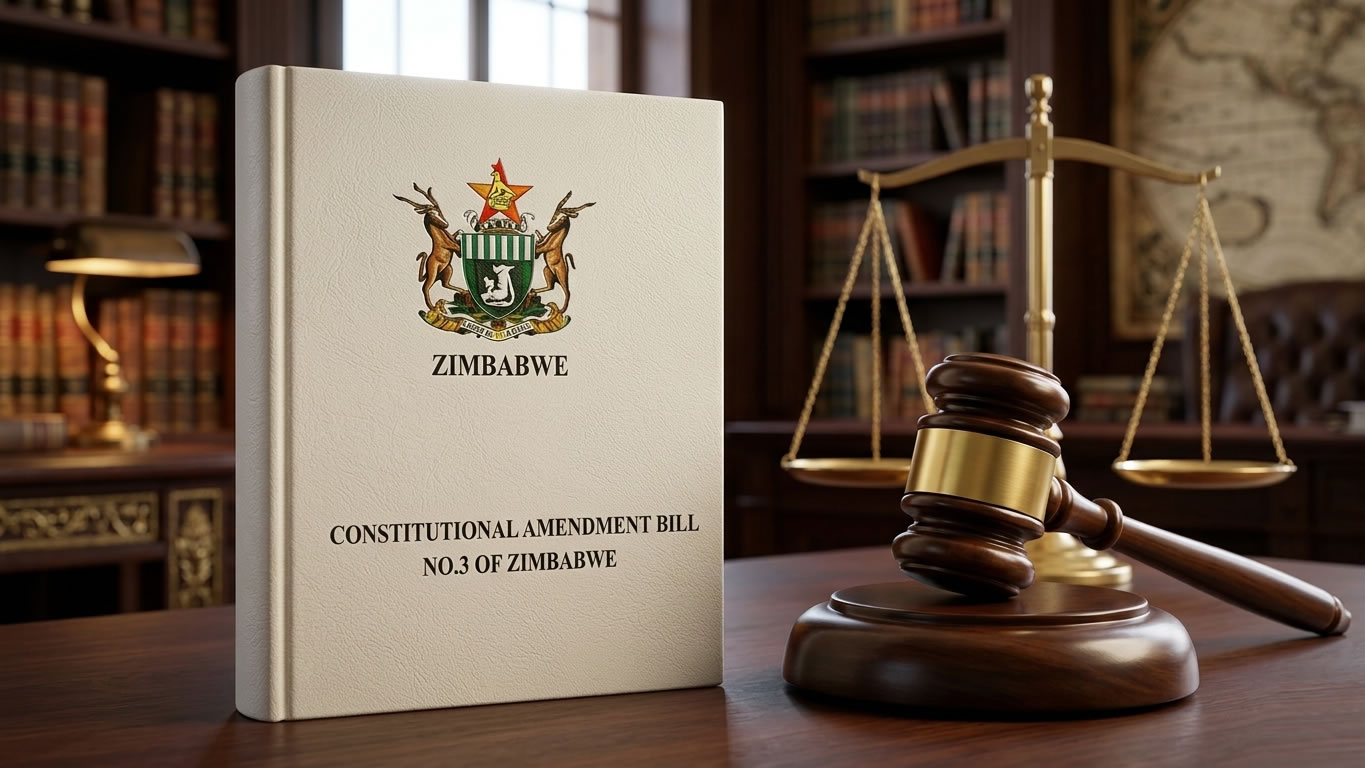
HARARE – In the quiet corridors of the High Court, a legal battle has erupted that threatens to derail the most significant constitutional overhaul in Zimbabwe’s recent history. Reuben Zulu, a veteran of the liberation struggle, has stepped forward with an urgent application that cuts to the very heart of the nation’s democratic integrity. At the centre of this storm is the Constitution of Zimbabwe Amendment Bill No. 3, commonly known as CAB 3, and a series of high-profile gifts from the flamboyant businessman Wicknell Chivayo that Zulu alleges have turned the hallowed halls of Parliament into a marketplace.
“The Constitution cannot be amended by cash and keys,” Zulu declares in his founding affidavit, a document that has now become a focal point for those questioning the legitimacy of the legislative process. “A constitutional majority must be a constitutional majority.” These words underscore a growing concern that the path to the controversial ‘ED 2030’ agenda is being paved not with the will of the people, but with the leather seats of luxury SUVs and stacks of greenbacks.
The application, filed this week, seeks an interim order to stay the certification and further processing of CAB 3. The Bill, which has already cleared both the National Assembly and the Senate, proposes a fundamental shift in Zimbabwe’s governance, including the extension of presidential and parliamentary terms from five to seven years. Critics argue this is a thinly veiled attempt to ensure President Emmerson Mnangagwa remains in power until at least 2030, bypassing the current two-term limit.
However, Zulu’s challenge focuses not on the politics of the extension, but on the morality of the vote itself. He alleges that the parliamentary proceedings were “contaminated” by unlawful inducements. Specifically, he points to two Members of Parliament: Samantha Murenyanyi of the Citizens Coalition for Change (CCC) and Remigious Matangira of Zanu PF. Both legislators reportedly received 2026 Toyota Fortuner vehicles from Chivayo during the very period the Bill was under debate. Murenyanyi, a proportional representation MP, was also gifted US$50,000, purportedly for constituency projects, despite not representing a specific geographical area.
Wicknell Chivayo, the man behind the gifts, is no stranger to controversy. Often seen stepping off private jets or posing with his fleet of Rolls Royces, he has recently been at the centre of a US$100 million election procurement scandal involving the South African company Ren-Form CC. Although the Zimbabwe Anti-Corruption Commission (ZACC) recently cleared him of wrongdoing in that matter, the timing and nature of his latest ‘philanthropy’ have raised fresh alarms. Chivayo has been a vocal supporter of the ‘ED 2030’ campaign, often seen at rallies chanting “2030 Ndeya Emmerson” (2030 belongs to Emmerson).
Zulu argues that these gifts were not merely acts of kindness but calculated inducements. The application cites Section 18 of the Privileges, Immunities and Powers of Parliament Act, which strictly prohibits MPs from accepting rewards in connection with their support or opposition to legislation. Furthermore, it references Section 170 of the Criminal Law (Codification and Reform) Act, which criminalises the offering or acceptance of inducements intended to influence official duties.
“It is not about whether the reward was paid before or after a speech,” the affidavit states. “The question is whether a member accepted a reward for or in respect of the promotion of, support for, or conduct relating to a Bill.” This distinction is crucial, as it suggests that the mere acceptance of such significant gifts during the legislative process creates an irreconcilable conflict of interest.
The atmosphere in the National Assembly during the final vote was described by observers as tense but determined. The Bill passed with a commanding majority—226 votes in favour and only 41 against. However, Zulu contends that this majority is a facade if even a handful of those votes were secured through material benefits. He is calling for a full audit and a privileges inquiry into the alleged inducements before any further steps are taken.
For Zulu, this is a second attempt to seek judicial intervention. Earlier this year, he was part of a group of six veterans who approached the Constitutional Court to challenge the Bill on the grounds that President Mnangagwa’s involvement in the Cabinet meeting that approved it was a breach of duty. That application was dismissed by Justice Bharat Patel, who ruled that the applicants had “fallen short of the critical requirement to establish any precise or specific obligation” breached by the President.
Undeterred, Zulu has narrowed his focus. This time, the targets are the Clerk of Parliament, the Speaker, and the individual MPs who accepted the gifts. By shifting the focus from the President to the parliamentary process, Zulu hopes to find a more receptive ear in the High Court. His legal team, led by constitutional expert Lovemore Madhuku, argues that the risk of irreparable prejudice is imminent.
“The constitutional process is continuing now. The risk is not remote. It is imminent,” stated legal practitioner Kudzanai Brian Munakamwe in the certificate of urgency. The fear is that once the Bill receives presidential assent, the damage to the constitutional framework will be permanent, and any subsequent legal victory would be a hollow one.
The controversy has also drawn in other voices from across the social spectrum. The Zimbabwe Catholic Bishops’ Conference and the Law Society of Zimbabwe have previously expressed deep reservations about CAB 3, warning that it could fundamentally alter the country’s “constitutional architecture.” The inclusion of changes to election methods and the removal of certain direct election provisions have led some to label the move a “constitutional coup.”
In the streets of Harare and on social media, the debate rages. Supporters of the Bill argue that the reforms are necessary for national development and that the extension of terms allows for the completion of long-term projects under Vision 2030. They dismiss the allegations of bribery as desperate attempts by the opposition to stall progress. Chivayo himself has often defended his actions, claiming he is merely a “billionaire philanthropist” sharing his wealth with those who support the nation’s leadership.
Yet, the scale of Chivayo’s recent spending is staggering. Beyond the MPs, he has gifted luxury vehicles to dozens of public figures, including musicians, social media influencers, and religious leaders. In April 2026 alone, he reportedly gave 12 Johanne Masowe prophets a Toyota Fortuner each, along with US$10,000 in cash. While these recipients are not lawmakers, the pattern of high-value gifts to influential figures creates a climate where political and social support appears to be a tradable commodity.
The High Court has directed the respondents to file their opposing papers within three days. The nation now waits to see if the judiciary will step in to pause a process that many see as a foregone conclusion. If the interim interdict is granted, it would represent a significant hurdle for the government’s plans and a rare victory for those seeking to uphold the 2013 Constitution.
As the sun sets over the capital, the questions remain: Can a democracy survive when its foundational laws are subject to the influence of private wealth? And what does it mean for the legacy of the liberation struggle when one of its own veterans must take the state to court to protect the very freedom they fought for?
Reuben Zulu’s application is more than just a legal challenge; it is a plea for the restoration of honour in public service. Whether the court agrees that the constitution has been tainted by “cash and keys” will determine not just the fate of CAB 3, but the future of the Zimbabwean republic itself. The stakes could not be higher, and the eyes of the world are firmly fixed on the High Court of Harare.
Timeline of the CAB 3 Controversy:
|
Date
|
Event
|
|
February 2026
|
CAB 3 is officially introduced in the Parliament of Zimbabwe.
|
|
March 2026
|
Public hearings are held, met with significant protest from civil society groups.
|
|
April 2026
|
Wicknell Chivayo begins a high-profile spree of luxury car donations to public figures.
|
|
May 2026
|
Constitutional Court dismisses the first challenge by Reuben Zulu and other veterans.
|
|
June 18, 2026
|
National Assembly passes CAB 3 with a two-thirds majority.
|
|
June 25, 2026
|
The Senate approves the Bill, sending it back to the Assembly for final minor adjustments.
|
|
June 30, 2026
|
National Assembly completes the final reading; Bill awaits presidential assent.
|
|
July 1, 2026
|
Reuben Zulu files an urgent High Court application to halt the process.
|
Key Allegations in the High Court Application:
“The National Assembly proceedings were tainted by unlawful inducements, including luxury vehicles and cash provided to legislators while the Bill was still before Parliament.”— Excerpt from the Founding Affidavit of Reuben Zulu.
The applicant further alleges that:
- Samantha Murenyanyi (CCC MP) received a 2026 Toyota Fortuner and US$50,000 cash.
- Remigious Matangira (Zanu PF MP) received a 2026 Toyota Fortuner.
- US$10,000 payments were distributed to multiple legislators through parliamentary chief whips under the guise of constituency development funding.
- Failure to Disclose: None of the recipient MPs declared their interests as required by parliamentary Standing Orders and the Members’ Code of Conduct and Ethics.
As the legal proceedings unfold, the shadow of these allegations hangs heavy over the ‘ED 2030’ agenda, casting doubt on whether the proposed changes truly reflect the will of the Zimbabwean people or the influence of a few well-placed gifts.