


Justice Under Scrutiny: The Zvimba Drunk-Driving Incident Involving an MP
Zvimba – A recent court ruling involving a Zvimba farmer, Zebediah Chigodora, and Zanu PF’s Zvimba East legislator, Honourable Mercy Dinha, has ignited a fervent public debate regarding the application of justice in Zimbabwe. Chigodora, a 42-year-old farmer, was convicted of negligent driving and driving under the influence after his vehicle collided with MP Dinha’s stationary car along the busy Chegutu-Chinhoyi highway. The incident, which resulted in MP Dinha sustaining injuries, concluded with Chigodora being sentenced to 210 hours of community service, a US$200 fine, and a six-month driving ban. This outcome has prompted an investigative analysis into whether the sentence is truly proportionate to the severity of the crime, particularly given the involvement of a public official and the potential for far more serious consequences.
The Incident: A Reckless Act on the Highway
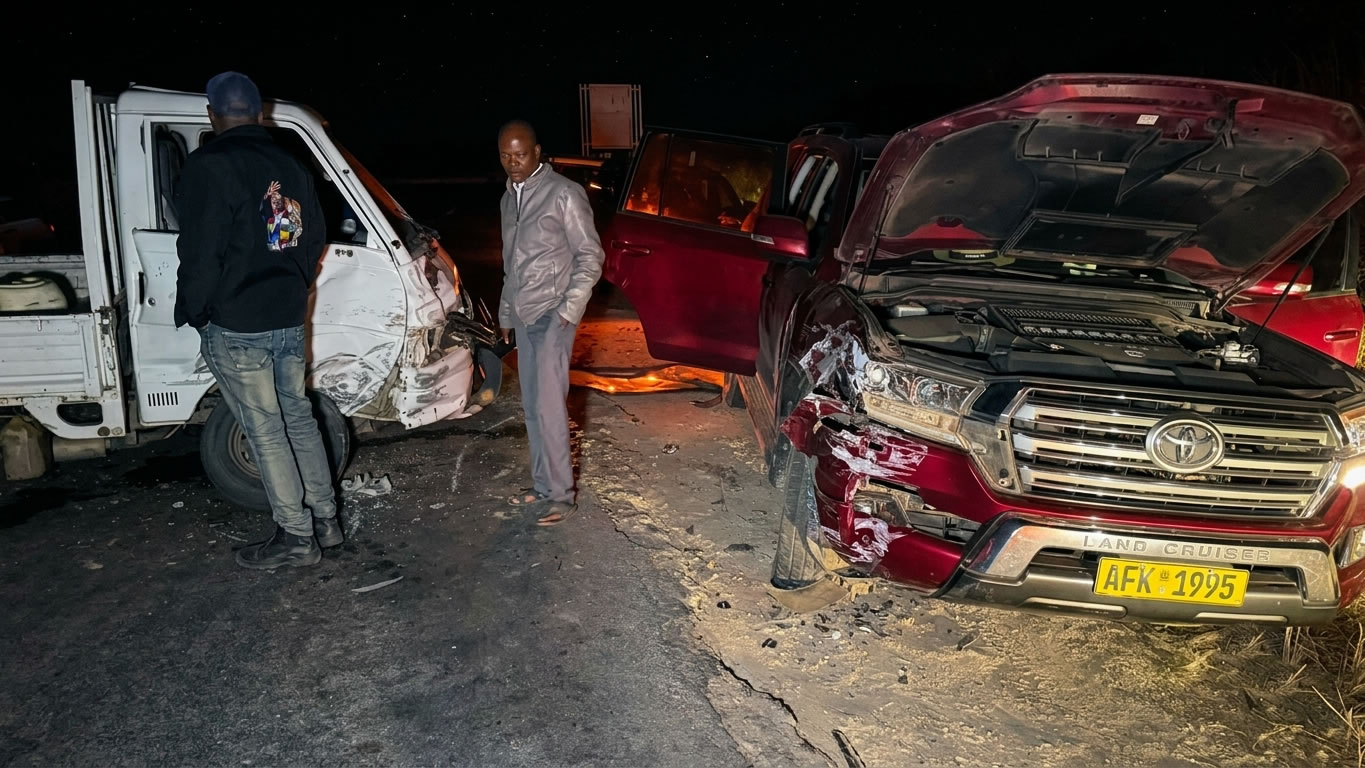
The collision occurred on 29 June, when Zebediah Chigodora, driving a white Mazda Bongo, negligently veered into a stationary Toyota Land Cruiser VX. Inside the Land Cruiser were MP Dinha and her husband, Martin Dinha. According to reports, the Dinha’s vehicle was parked off the road near the Murombedzi turn-off in Zvimba, where a pastor was reportedly measuring campaign billboards. The impact was described as significant, causing extensive damage to the MP’s vehicle.
Upon Chigodora’s arrest, a breathalyser test revealed a staggering blood alcohol concentration (BAC) of 252 milligrammes per 100 millilitres of blood. This figure is substantially above Zimbabwe’s legal limit of 150 milligrammes per 100 millilitres. The court heard that this extreme level of intoxication rendered Chigodora incapable of exercising proper control over his vehicle, a critical factor in the magistrate’s assessment of negligence. Magistrate Mrs Christine Nyandoro, presiding over the case at Norton, underscored the gravity of Chigodora’s actions, stating, “The degree of negligence exhibited by the offender is serious, as evidenced by his decision to drive with a blood alcohol concentration substantially above the legal limit. This level of impairment demonstrates a clear disregard for the safety of other road users”.
Injuries, Leniency, and Missing Medical Documentation
Following the accident, MP Dinha complained of pain on her left side and was reported to be receiving medical treatment. However, a crucial detail emerged during the court proceedings: while acknowledging the reported injuries, Magistrate Nyandoro noted the absence of medical documentation to substantiate the claims. “The absence of medical proof is a relevant factor in assessing the overall gravity of harm caused by the offence,” she remarked.
Adding another layer of complexity to the case was the revelation that Chigodora’s family had approached the legislator, seeking leniency on his behalf. This plea for mercy, coming from the victim’s family, undoubtedly played a role in the court’s sentencing considerations. While such gestures can be seen as acts of compassion, in a case involving a public official and a serious offence like drunk driving, they inevitably raise questions about potential influence or attempts to mitigate the severity of the incident. The lack of medical evidence, combined with the family’s intervention, has fuelled public speculation and contributed to a sense of unease regarding the transparency of the proceedings.
The Sentence: A Debate on Proportionality and Deterrence
Chigodora pleaded guilty to both negligent driving and driving with a prohibited concentration of alcohol in his blood. His sentence of 210 hours of community service, a US$200 fine, and a six-month driving ban has been met with mixed reactions. While some might view it as a reasonable outcome given the guilty plea and the plea for leniency, others argue that it falls short of being a deterrent, especially considering the high BAC level and the potential for catastrophic consequences.
Magistrate Nyandoro herself acknowledged the seriousness of the offence, noting that a custodial sentence was warranted due to the offender’s negligence and the imperative to deter other motorists from driving under the influence. She stressed that “offences involving drinking and driving require sentences that send a strong message to would-be offenders, given the danger they pose to the public”. Yet, the final sentence did not include immediate imprisonment, opting instead for community service and a fine. This decision, particularly in a country grappling with a severe road safety crisis, has led many to question whether the message being sent is strong enough.
Zimbabwe’s Road Safety Crisis: A Broader Context
The incident involving Chigodora and MP Dinha is not an isolated event but rather a stark illustration of Zimbabwe’s pervasive road safety challenges. The nation faces a critical situation on its roads, with alarming statistics underscoring the urgent need for more robust enforcement and genuinely deterrent penalties. Reports indicate that a road traffic accident occurs every 15 minutes in Zimbabwe, leading to an average of five fatalities and 38 injuries daily. These figures paint a grim picture of the human cost of road negligence and underscore the profound impact of reckless driving, particularly under the influence of alcohol.
The Traffic Safety Council of Zimbabwe (TSCZ) has been a vocal advocate for stricter penalties for road traffic offenders, especially those involved in drunk driving. Their calls are consistently echoed by legal professionals and road safety campaigners who contend that the current penalties often fail to serve as an adequate deterrent. This perceived leniency, they argue, inadvertently encourages a cycle of reckless behaviour on the nation’s roads. The Road Traffic Act (Chapter 13:11) provides a framework for various offences and their corresponding penalties, including the disqualification of drivers convicted of serious infractions such as drunk driving. However, the practical application and overall effectiveness of these legislative measures remain a subject of intense public and professional debate.
Public Perception, Trust, and the Pursuit of Impartial Justice
Public trust in the legal system is intrinsically linked to the perception of fairness and impartiality, particularly in cases that involve prominent public figures. When judicial outcomes appear inconsistent or are perceived to be influenced by external factors, it can significantly erode public confidence and foster a troubling sense of impunity. The Chigodora case, with its unique confluence of circumstances, has undeniably become a critical test for the transparency and equitable application of justice within Zimbabwe’s judiciary.
The involvement of a Member of Parliament, the intervention of the accused’s family, and the notable absence of official medical documentation for the claimed injuries have collectively woven a narrative that transcends a straightforward drunk-driving conviction. This complex interplay of factors has ignited a broader national discourse on accountability, the potential for privilege to influence legal processes, and the fundamental importance of consistently applying the law to all citizens, without fear or favour. While Magistrate Nyandoro’s comments acknowledged the inherent seriousness of the offence, they also inadvertently highlighted the intricate challenges of sentencing when mitigating factors, such as a plea for mercy, are introduced into the judicial equation. This delicate balance between compassion and punitive justice is at the heart of the ongoing public discussion.
Unanswered Questions and the Path Forward
The case of Zebediah Chigodora and MP Mercy Dinha leaves several profound questions lingering in the public consciousness. While the court has delivered its ruling, the full narrative of justice, accountability, and societal impact is far from complete. The family’s plea for leniency, the conspicuous absence of medical proof for the alleged injuries, and the comparatively light sentence for a high BAC drunk-driving incident involving a public official, all converge to create a complex and often contradictory picture. This intricate scenario compels a deeper, more critical examination of how justice is administered, particularly at the sensitive intersection where power, influence, and the rule of law converge.