


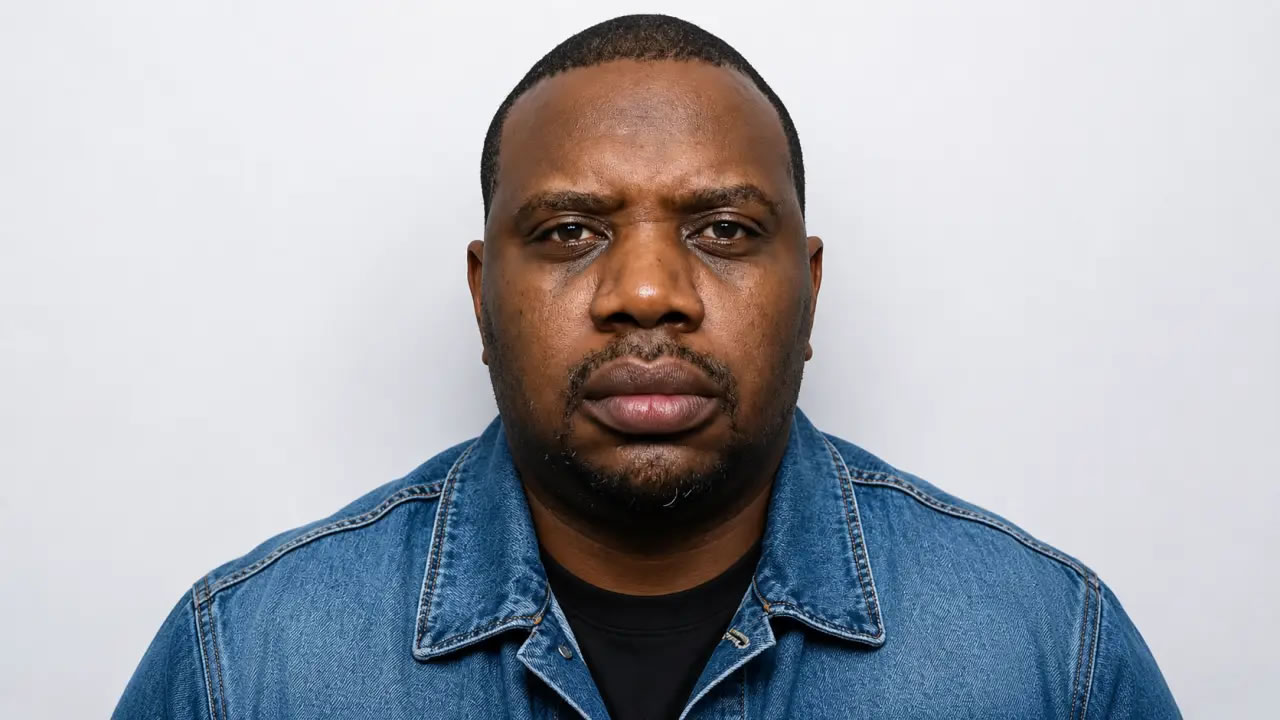
Leeds, UK – A prominent elder within the Zimbabwe Assemblies of God Africa (ZAOGA) church, Innocent Majoni, has been handed a 13-year prison sentence for the rape and sexual assault of a vulnerable woman in the United Kingdom. The 47-year-old Zimbabwean national, however, remains at large, having failed to appear for his sentencing at Leeds Crown Court, prompting an urgent manhunt by West Yorkshire Police. This case casts a stark light on the insidious exploitation of vulnerable individuals, particularly those with precarious immigration statuses, and raises broader questions about accountability within religious institutions.
Majoni’s conviction followed a harrowing trial where he was found guilty on three counts of rape and two counts of sexual assault. The court heard disturbing details of how he systematically preyed upon his victim, leveraging her vulnerable immigration status to coerce her into compliance. His method was chillingly simple yet brutally effective: he threatened to report her to the Home Office for deportation if she did not submit to his demands. This tactic highlights a deeply concerning pattern of abuse where immigration fears are weaponised against those seeking safety and stability in a new country.
In a powerful and deeply moving victim impact statement, read aloud to the court, the woman bravely articulated the profound and lasting trauma she continues to endure. Her words painted a vivid picture of fear, violation, and the enduring psychological scars left by Majoni’s actions. “I still do not feel safe. He forced himself on me. He threatened to go to the Home Office. I came here for safety and ended up in this situation,” she recounted. The dehumanising language used by her abuser further compounded her suffering: “He called me ‘fresh meat’ and it made me feel dirty. Emotionally, physically and mentally it has impacted me.” The statement also conveyed her ongoing terror and concern for her safety while Majoni remains a fugitive. “If he can’t be found and brought to justice, I will never feel safe and will always worry what he is doing to other women. Where is he? I’m still at risk. I’m traumatised by everything.” Her courage in coming forward, despite years of fear and the immense difficulties faced by many vulnerable victims in reporting sexual offences, was commended by the sentencing judge.
Recorder of Leeds Guy Kearl KC, who presided over the case, unequivocally determined that Majoni had deliberately exploited the complainant’s vulnerable immigration status. This judicial finding underscores the gravity of the abuse, recognising that Majoni’s actions were not merely opportunistic but calculated to leverage a significant power imbalance. In addition to the substantial prison term, the judge imposed a lifetime restraining order, ensuring that any future contact with the victim would constitute a separate criminal offence. This measure aims to provide the victim with a degree of protection and peace of mind, though the ongoing search for Majoni undoubtedly complicates its immediate effectiveness.
The victim’s journey to justice was protracted and fraught with obstacles. The court heard that she only felt able to report the horrific offences several years after they occurred, a delay directly attributable to her precarious immigration status. It was only once her immigration status was secured that she found the strength and security to disclose the abuse. This delay is a common, tragic feature in cases involving vulnerable migrants, who often fear deportation or further victimisation if they come forward. By the time criminal proceedings reached their conclusion, Majoni had vanished, leaving behind a trail of unanswered questions and a victim still grappling with the aftermath of his crimes and the uncertainty of his whereabouts.
Innocent Majoni, born in January 1979, was not just a church elder but also a businessman. Companies House records reveal his involvement as a director of ILS24HEALTH CARE LIMITED, a Leeds-based care company. He was appointed as a director on 1 July 2013 and resigned on 3 January 2023. The company has since entered liquidation, adding another layer of complexity to his professional and personal life. His dual role as a respected church figure and a business owner allowed him to cultivate an image of authority and trustworthiness, which he then tragically abused. The ZAOGA Leeds Assembly, where he was a prominent member and elder, now faces the difficult task of confronting the fallout from one of its leaders being convicted of such grave crimes.
This case resonates with broader concerns about the exploitation of vulnerable individuals in the UK, particularly those with uncertain immigration statuses. Reports from organisations like After Exploitation highlight how confirmed and potential trafficking victims have been detained, often exacerbating their vulnerability. The Independent Anti-Slavery Commissioner’s Strategic Plan for 2024-2026 notes a concerning increase in UK-based sexual exploitation. While not directly linked to Majoni’s case, these broader trends illustrate a systemic issue where individuals, often desperate for stability, become targets for exploitation. The threat of reporting someone to immigration authorities is a potent weapon in the hands of abusers, creating a climate of fear that silences victims and allows perpetrators to operate with impunity.
The involvement of a church elder in such a serious crime also brings into sharp focus the issue of spiritual abuse and accountability within religious organisations. While ZAOGA Forward in Faith Ministries International boasts a global presence in over 160 nations, promoting spiritual growth and community development, incidents like Majoni’s conviction can severely erode public trust. The broader landscape of church-related abuse, as evidenced by cases like that of John Smyth, who abused young people at Christian camps in the UK and southern Africa, underscores the critical need for robust safeguarding policies and transparent accountability mechanisms within all religious institutions. Victims of spiritual abuse often face unique challenges in coming forward, as their faith and community ties can be weaponised against them, making disclosure even more difficult.
The ongoing police hunt for Majoni is a critical component of this unfolding story. His disappearance after conviction raises serious questions about the mechanisms in place to prevent convicted individuals from evading justice. The victim’s plea – “Where is he? I’m still at risk” – encapsulates the profound anxiety that arises when a perpetrator remains at large. The efforts of West Yorkshire Police to apprehend him are paramount, not only for the sake of the victim but also to uphold the integrity of the justice system and to deter others who might consider similar acts of exploitation and abuse.