


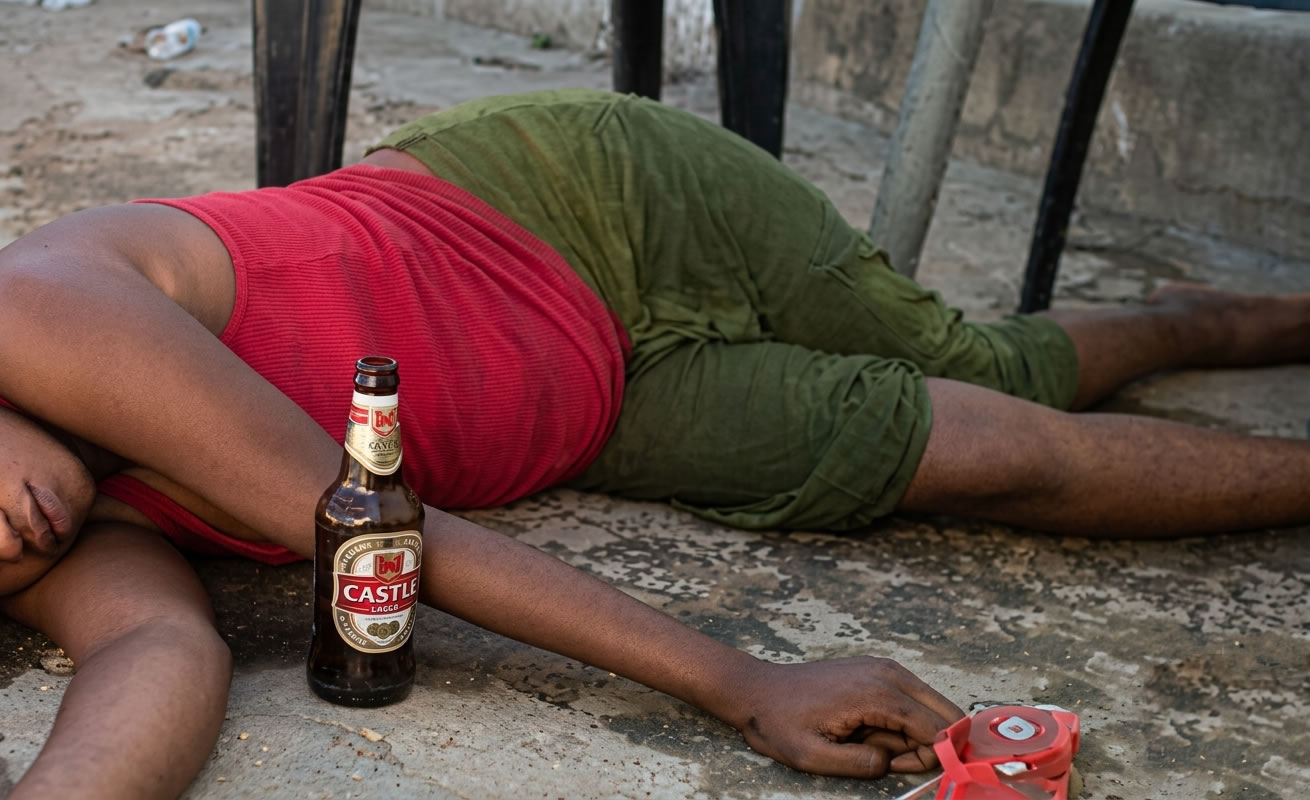
A traditional leader in Buhera has banned alcohol at funerals, warning that drunken behaviour is fuelling fights, insults and serious disruption during ceremonies meant to honour the dead and comfort grieving families.
Chief Tinotenda Garepi Mavhurudza, known as Chief Chamutsa, announced the new rule across his jurisdiction on 6 August. The prohibition applies at bereaved homesteads and gravesites, and will remain in force until the burial has been completed. It covers drinking, selling, bringing or distributing alcohol and other intoxicating substances at a funeral.
The order also prohibits fighting, scolding, exchanging insults and disturbing prayers or eulogies. Families, headmen and village heads have been given specific responsibilities to make sure the regulation is followed in and around funeral venues.
For three weeks after the announcement, the by-law will be used as a period of warning and public education. From 27 August, offenders will face the penalties set out by the chief’s court. Anyone found in possession of alcohol at a funeral may be fined US$30 or ordered to surrender a goat. A person who fights or disrupts proceedings will face a court fee and a US$50 fine.
The measure, titled “By-law for Buhera for Respect of Funeral Proceedings”, comes less than four months after Chief Chamutsa assumed the chieftainship on 7 April. It sets out the conduct expected from mourners and places the first responsibility on the family of the deceased.
The bereaved family must ensure that alcohol is not brought into its homestead while the funeral is under way. Headmen and village heads are expected to monitor the surroundings, remind mourners about the rule and report violations. The intention is to prevent disorder before it begins, rather than wait for a dispute to become a confrontation at the graveside.
“We, as Chief Chamutsa’s court, are deeply concerned and disturbed by repeated acts of disrespect and disorder during funerals in our area. We feel that people have lost respect for the dead, as dictated by our cultural norms. People are fighting at funerals and the bereaved are being abused. It is against this background that we are enacting this new by-law to preserve the dignity of the deceased, restore respect for funerals, allow the bereaved to be consoled in peace, and maintain general peace in the community under Chief Chamutsa, Buhera District,” the by-law states.
It adds: “1. This is meant to restore our cultural values and norms relating to respect for the dead. 2. This is also meant to prevent fighting and quarrelling at funerals. 3. We are doing this to promote peaceful burials of our loved ones and to allow us to commiserate with the bereaved in peace and harmony.”
The chief said the decision was prompted by what he described as increasingly serious behaviour at funerals. He gave the example of a recent incident in which a member of a bereaved family went on a drinking binge with friends and returned only when mourners were already burying the deceased.
The man, the chief said, then ordered the people at the grave to exhume the body and dig another grave because he did not want the burial to take place at that particular spot. The confrontation became so violent that a new grave had to be dug close to the first one.
“This is a serious matter that requires serious corrective decisions and action. We are witnessing abominable things at funerals. For example, at a recent funeral, one family member went on a drinking binge with friends only to return when people were already burying the deceased. In their drunken stupor, they ordered those burying the deceased to exhume the body and dig a new grave simply because he did not want that particular burial place. They were so violent that a new grave had to be dug close to the same area where the other grave had already been dug. Such conduct is unacceptable,” he said.
The incident illustrates the kind of disruption the new regulation is intended to stop. A funeral can involve several days of mourning, family meetings, prayers, traditional rites and decisions over the time and place of burial. When disagreements arise, relatives and neighbours may already be under pressure. The presence of alcohol, the chief says, has made some disputes more difficult to control.
The new rule is also aimed at protecting grieving families from being forced to manage conflict while they are mourning. Under the by-law, the family is not only expected to provide a place for mourners but must also prevent alcohol from entering the homestead. Local leaders are expected to support the family and ensure that the order is known to everyone attending.
“Part 2: What is disallowed: Consumption of alcohol at a homestead where there is a funeral or at the gravesite. Bringing or selling alcohol and all other intoxicating substances at a funeral. Fighting, scolding each other, or disturbing those praying or delivering eulogies at a funeral. We must all remember that alcohol will strictly not be allowed until the deceased has been buried,” the by-law says.
The wording makes clear that the ban is not limited to drinking. A person who brings alcohol to a funeral, sells it or distributes it can also be treated as violating the rule. The restriction extends to other intoxicating substances, reflecting concern about conduct that may affect mourners before prayers, during the burial and at the graveside.
The role assigned to families and local leaders is equally direct. “Part 3: Expected individual roles: The family of the deceased must ensure that no alcohol is brought into their homestead when they have a funeral. Headmen and village heads must monitor the surroundings and ensure that no alcohol is consumed at funerals. They must also remind people about this new regulation.”
The order comes at a time when concerns about alcohol and substance abuse have become more visible in Zimbabwean communities. A national survey published in January 2025 found that 79 per cent of Zimbabweans considered drug and substance abuse widespread in their communities, while 56 per cent described it as very widespread. Respondents identified tougher penalties, public education and stronger efforts to stop drug peddling as leading ways of tackling the problem.
The same survey found that many citizens placed trust in schools and family members to help combat substance abuse. Religious leaders and the courts were also seen as important, while three-quarters of respondents said ordinary citizens had a role to play. The findings underline the importance of community action in places where traditional leaders, families and village structures remain central to daily life.
Funeral disputes in Zimbabwe have also shown how quickly disagreements over ceremony and tradition can halt a burial. In Mutare, a burial at Yoevil cemetery was delayed for more than five hours after relatives disagreed over whether a woman’s undergarment should be placed inside the coffin as part of a traditional ritual. The coffin was lowered into the grave and retrieved four times as the two families argued, and relatives exchanged blows before armed police were called to facilitate the burial.
That dispute was not described as an alcohol-related incident, but it demonstrated how disagreements at a graveside can become physical and leave mourners unable to complete the burial. In Buhera, the chief’s by-law addresses both the conduct of mourners and the role of local authority in preventing such scenes from developing.
Chief Chamutsa’s court says the three-week warning period is intended to give families and community leaders time to explain the new rule. The period will end on 27 August, after which punishment will be imposed for violations.
“Part 4: Punishment: Anyone found guilty of violating this by-law will be punished as follows: Being found in possession of alcohol at a funeral will attract a US$30 fine or a goat. Fighting or disturbing funeral proceedings will attract a court fee as well as a US$50 fine,” the document says.
It continues: “Part 5: Warning time frame: In the first three weeks after the announcement of this new by-law, it will be used as a period of strong warning and education. After August 27, 2026, we will then issue punishments for offenders as set out above. We wish to inform all that we are now in the era of this new by-law and we will not tolerate any acts of sabotage or disregard for it. Let us respect our departed relatives and friends as our cultural norms and values demand.”
Acting Manicaland Provincial Director for Local Government Services and Administration John Misi said he could not comment on the new development because he had not been officially informed about it.
“It is difficult to comment since we are not officially privy to what is happening.”
Legal expert Passmore Nyakureba, a partner at Maunga Maanda and Associates, said a traditional leader could prohibit alcohol at funerals because funeral practices and cultural rules differ between communities.
“Yes, he can do that. There may be different reasons for that. In some areas people do not consume alcohol during funerals, in others they do. So it all depends on the regulations in a given area. At the end of the day, it is a cultural issue,” said Nyakureba.
The chief’s court has now placed the responsibility for peaceful funerals on the whole community. Families must protect the funeral homestead, local leaders must monitor the area, and mourners must wait until the burial is complete before drinking. The new order is designed to make the funeral a place of prayer, remembrance and consolation, rather than a scene of quarrelling, violence and delayed burial.
For Buhera residents, the first test will come when the warning period ends and the fines begin. Until then, headmen and village heads are expected to explain the prohibition, while families preparing to bury relatives must make sure that the rule is observed from the opening of the funeral proceedings to the final covering of the grave.