


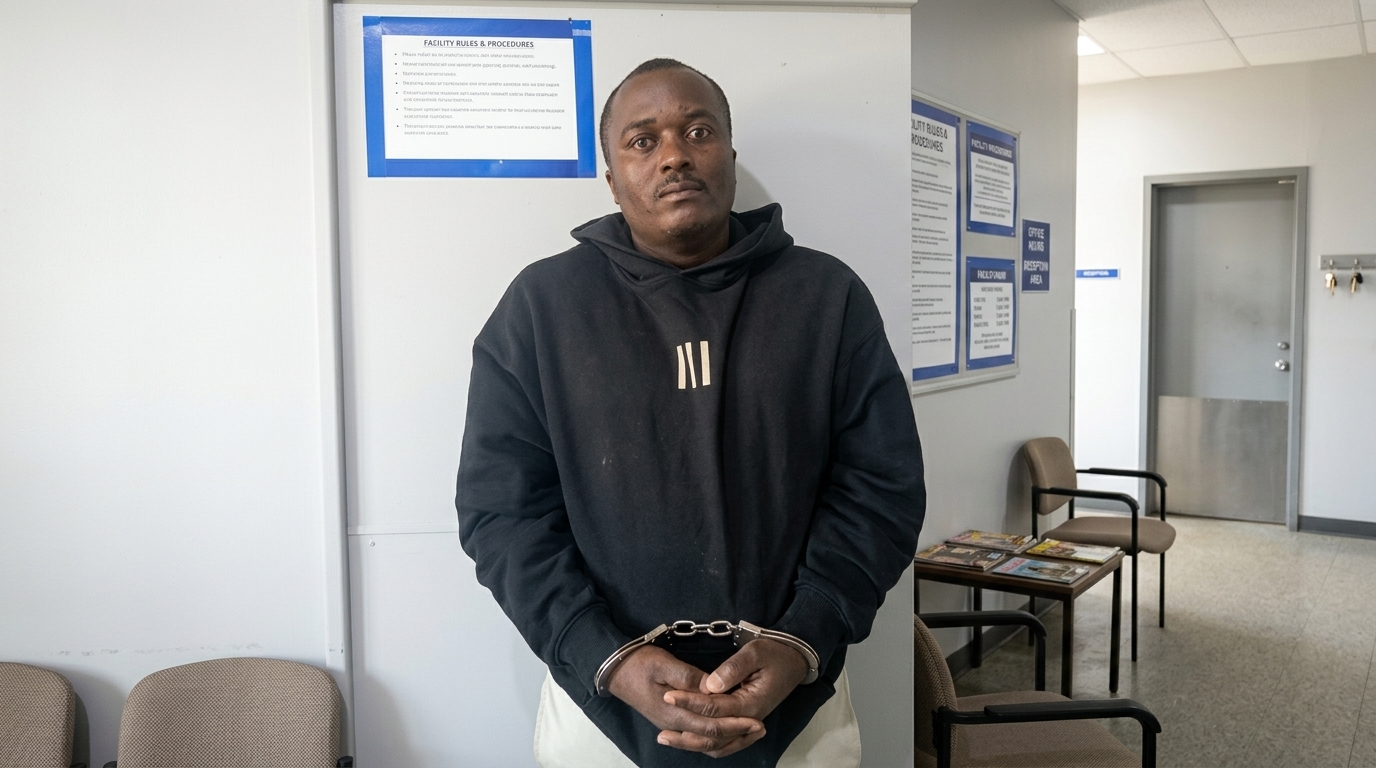
Police in Bulawayo have arrested a man accused of targeting home seekers through a WhatsApp accommodation channel, with investigators appealing to other people who may have lost money to come forward.
Bulawayo provincial police spokesperson Inspector Nomalanga Msebele identified the suspect as Gift Elvis Ndlovu, also known as Solo, of Killarney.
Ndlovu allegedly presented himself as an accommodation agent and ran a WhatsApp channel called “Accommodation in Bulawayo”. The channel was used to reach people searching for rooms and houses in a city where demand for affordable accommodation has made online property groups an important part of the rental search.
Police said prospective tenants were allegedly asked to pay US$20 as an agent or viewing fee. The money was sent to EcoCash numbers 0787244421 and 0789344259.
“After receiving the money, the suspect would allegedly either block the victim or continue giving excuses, making the victim believe that the accommodation arrangements were still being processed until the victim eventually lost hope,” said Insp Msebele.
The alleged scheme depended on a simple promise: a small payment would secure access to a property or allow a prospective tenant to view it. For people urgently looking for somewhere to live, a message showing an available room can appear to offer a quick solution. Once payment has been made through mobile money, however, the victim may have little more than a telephone number, a WhatsApp conversation and a transaction record to use when seeking help.
Police are concerned that some victims may remain silent because the amount involved in each reported case is relatively small. The loss of US$20 may not seem large compared with the cost of rent, transport or moving house, but repeated complaints can help investigators identify a pattern, trace payment accounts and establish whether more people were approached through the same channel.
“Police are appealing to all victims who may have been scammed by this suspect to come forward and make reports.
“Because of the small value involved, some people tend not to report such cases,” she said.
Anyone who believes they were affected has been urged to visit ZRP Khumalo, Office 68, in Bulawayo and make a report. Victims should take screenshots of the WhatsApp messages, save the telephone numbers used, keep EcoCash confirmation messages and provide the dates and amounts of any payments made. Those details can help police compare complaints and establish how the alleged operation was conducted.
The arrest comes as home seekers in Bulawayo face a range of property-related fraud schemes. Earlier this month, police launched a manhunt for a 40-year-old man accused of defrauding six home seekers of more than US$83,000 and R143,000 through a residential-stands scheme. Investigators said the man allegedly posed as an agent selling stands for genuine property owners, without those owners knowing that their land was being marketed.
In a separate case involving the same suspect, police said seven people were allegedly defrauded of more than US$47,000 and R143,000 through the use of forged documents to sell properties that did not exist. The money had not been recovered when the appeal was issued.
The cases show how property fraud can range from small viewing fees to large payments for residential stands. The method may change, but the pressure placed on home seekers is similar. A fraudster can use the urgency of a person’s housing search, the appearance of a professional property listing and the convenience of mobile money to seek payment before the prospective tenant or buyer has confirmed who owns the property.
Inspector Abednico Ncube, the Bulawayo provincial police spokesperson in the stands case, urged members of the public to confirm property ownership and the authenticity of stands before paying. He also advised people to check with the city council about the status of properties and stands.
The wider use of mobile money has created another route for fraud. In January, national police warned that criminals were targeting EcoCash users with fake online promotions, cheap data offers and quick-loan promises. Some victims were tricked into disclosing personal security details, including mobile personal identification numbers and one-time passwords, allowing criminals to gain access to their wallets.
Police also warned the public about links circulated through Facebook, X, Instagram, WhatsApp and other digital platforms. Fraudulent websites and messages may use the names or logos of recognised mobile-money companies to appear genuine. The advice was to avoid opening unverified links, sharing PINs or one-time passwords, or paying for an offer simply because it appears cheap or urgent.
The scale of online fraud has also prompted a wider regional response. An international cybercrime operation conducted between December 2025 and January 2026 resulted in 651 arrests across 16 African countries and the recovery of more than US$4.3 million. Investigators linked the operation to more than US$45 million in reported losses and identified 1,247 victims. The operation targeted several forms of online crime, including mobile-money fraud and fraudulent mobile-loan applications.
The figures place the Bulawayo accommodation case within a growing set of crimes in which phones and messaging platforms are used to find victims, build trust and collect payments. That does not mean every accommodation group or online agent is fraudulent. It does mean that a WhatsApp profile, a property photograph or a confident claim to represent a landlord is not, by itself, proof that a listing is genuine.
Police are urging prospective tenants to verify listings and the identities of agents before making any payment. A viewing should be arranged through a verifiable contact, the physical property should be checked and the person receiving money should be linked to a genuine landlord, agency or documented transaction. Any request for an advance fee before basic details can be confirmed should be treated with caution.
For those who have already paid Ndlovu or communicated with the “Accommodation in Bulawayo” channel, police want the matter reported even if the amount lost was only US$20. The appeal is intended to identify additional victims and give investigators a fuller picture of the alleged scam.
Reports can be made at ZRP Khumalo, Office 68, in Bulawayo.