


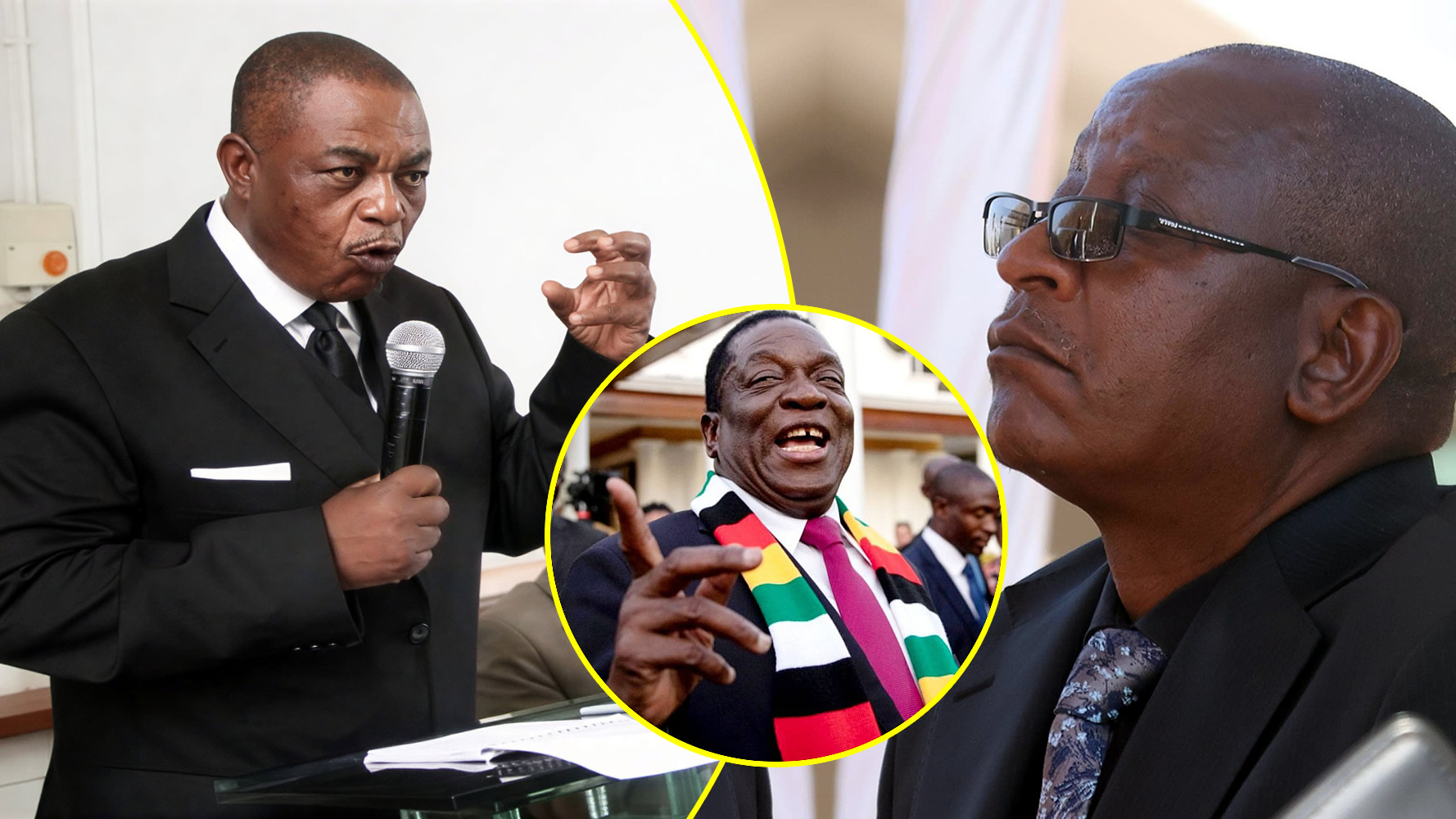
CHINHOYI — A plan to boo and embarrass Vice-President General (Retired) Constantino Chiwenga at Zanu PF’s national conference has been alleged by party sources, as the ruling party prepares to debate constitutional changes that could reshape its succession timetable and extend Emmerson Mnangagwa’s hold on party leadership.
The alleged operation is described as a show of force against senior figures resisting changes to the Zanu PF constitution. Sources say the aim is to sponsor jeering at the conference and publicly brand opponents of the proposed amendments as obstacles to the party’s direction. Chiwenga, a former commander of the Zimbabwe Defence Forces and a leading figure in the succession contest, is among those seen as opposing the changes.
The conference opens formally on Friday, October 16, at Chinhoyi University of Technology in Mashonaland West. It is the party’s 23rd National People’s Conference and is expected to draw thousands of delegates. The central committee has placed constitutional proposals on the agenda, leaving the issue to be discussed before resolutions are made at the gathering.
The allegations of a planned humiliation come at a moment when conflict that had largely been managed behind closed doors has become more visible. A special politburo meeting called to consider the amendments was cancelled at the last minute last week. Chiwenga and Zanu PF secretary-general Jacob Mudenda had raised objections to the proposals, while party legal affairs secretary Ziyambi Ziyambi was advancing the changes.
Zanu PF officials publicly attributed the cancellation to a clash in Mnangagwa’s programme. Party sources, however, described a meeting engulfed by disagreement over both the substance of the proposals and the process for adopting them. The aborted session had been called specifically to consider changes to the party constitution, and senior figures were already at the party headquarters when it was called off.
One dispute concerned how quickly the changes were being pushed through. Chiwenga’s camp argued that amendments to the party constitution should be preceded by several months of consultation with party structures. Mudenda, who is also Speaker of Parliament, was reported to have objected to provisions in an earlier draft that would transfer some administrative responsibilities to a party director-general.
The proposed changes were presented as necessary to bring the party’s internal rules into line with Constitution Amendment No. 3, enacted in July. That national amendment lengthened the terms of the President and Parliament from 5 years to 7 years and replaced direct presidential elections with a vote by members of Parliament in a joint sitting.
The changes mean the next presidential election is no longer organised under the same timetable and system that shaped previous contests. Mnangagwa’s current term, which was due to end in 2028, was extended to 2030. The changes to the national charter have therefore raised questions inside Zanu PF about when the party will hold its next leadership congress, how long its party president should serve and how it will select a candidate for the presidency.
At the central committee meeting on Wednesday, Ziyambi presented revised proposals to align the party constitution with the new national framework. The central committee adopted the amendments for discussion at the conference. That decision moved the issue forward after last week’s meeting collapsed, but it did not remove the disputes over succession, consultation and the balance of authority inside the party.
Earlier versions of the plan included a proposal to separate the position of Zanu PF president from the party’s candidate for the national presidency. Under that arrangement, Mnangagwa could remain party leader while another person was selected to contest the 2030 election. The idea was compared within party discussions to a model in which a former head of state continued to lead the ruling party after leaving government.
The proposals have since been revised, and the versions discussed within the party have not all described the same route. The central question remains whether constitutional alignment will also alter the timing of the party’s next congress and the process through which a successor is chosen. Delegates are expected to consider the latest proposals before the conference adopts its resolutions.
Chiwenga’s opposition is central to the contest because he is widely regarded as a potential successor to Mnangagwa. Businessman Kudakwashe Tagwirei has also become increasingly prominent in party and government circles. His appointment as Minister of Economic Development and Investment Promotion has added to the attention on wealthy business figures and their influence in Zanu PF.
The term “zvigananda” has become part of the dispute. Chiwenga has used it for wealthy and politically connected individuals whom he accuses of gaining influence through proximity to power. Within the party, the label has become associated with the argument over whether financial and business interests are driving the campaign for constitutional changes and Mnangagwa’s continued leadership.
“Some of you came and some of you did not. Did you hear that?”
The remark was interpreted by party members as a public reprimand and a warning to those who had skipped the event. Chiwenga’s absence drew particular notice because it came amid the dispute over the cancelled politburo meeting. He had also been absent from other events involving figures close to Mnangagwa, including Tagwirei’s swearing-in.
A source within the party said the President’s remarks had intensified concern about possible disciplinary action or a reshuffle. “After Mnangagwa’s remarks at the politburo that some politburo members snubbed the fund-raising dinner, there are already fears of a purging or reshuffle,” the source said. “With all that, there might be a belief that you may be aligned to the Chiwenga faction.”
Mnangagwa, addressing the central committee, warned members against factional conduct and urged them to keep the conference focused on party and national interests.
“The party and national interest remain central and at the core of our discussions,” he said. “I urge us to distinguish between principled contributions intended to improve the party and reject conduct that seeks to divide or derail the conference agenda. Preferences of cliques and narrow inclinations, among other retrogressive acts, have no place in our party.”
Analyst Reuben Mbofana said the skipped dinner and the public rebuke pointed to mounting strain inside the party. “Given the context of the annual national conference and ongoing discussions around party constitutional amendments and succession, public calls for party discipline are designed to call members to order and enforce cohesion,” he said.
The conference is also being presented as a test of party unity. Mnangagwa has urged delegates to turn party resolutions into practical results and to reject actions that could disrupt the meeting. Chiwenga’s supporters, meanwhile, have continued to argue that the proposed constitutional changes should not be pushed through without proper consultation.
The alleged plan to boo Chiwenga would turn those tensions into a public spectacle at a conference intended to project discipline and common purpose. It is not the first time that jeering at party events has been used to signal displeasure with a senior figure. Party members have previously described how organised heckling can be deployed to isolate perceived opponents in front of delegates.
The allegations have also widened the focus beyond the formal agenda. Delegates will be watching whether opponents of the amendments are allowed to speak, whether the revised package wins support and whether the party’s succession question is addressed directly or left unresolved. A conference resolution aligning the party constitution with the national charter would not, by itself, settle who will lead Zanu PF in the next political cycle, but it could alter the rules under which that contest takes place.
Another analyst, Rashweat Mukundu, cautioned against treating every sign of division as proof that the party has split into settled camps. “I think we are probably reading too much into this so-called factionalism until that time that the cracks are right in the open. It’s really difficult to make an assessment of who is who in the alleged factions or divisions in Zanu PF,” he said.
He added: “So, my take is until a step is taken either to dismiss someone or someone is clearly speaking out against the other faction then much of what we are looking at is mere speculation. Those in Zanu PF, some individuals may have ambitions. I think it’s what the political games are for.”
For now, the conference agenda places constitutional alignment at the centre of proceedings, while the dispute over who controls the party’s future follows every meeting and public appearance. The reported bid to embarrass Chiwenga, the objections to the amendments and Mnangagwa’s warning about cliques have made the Chinhoyi gathering a closely watched point in the party’s succession struggle.