


Zimbabwean Footballers Face Peril in South Africa: The Divine Lunga Shooting and a Troubling Pattern
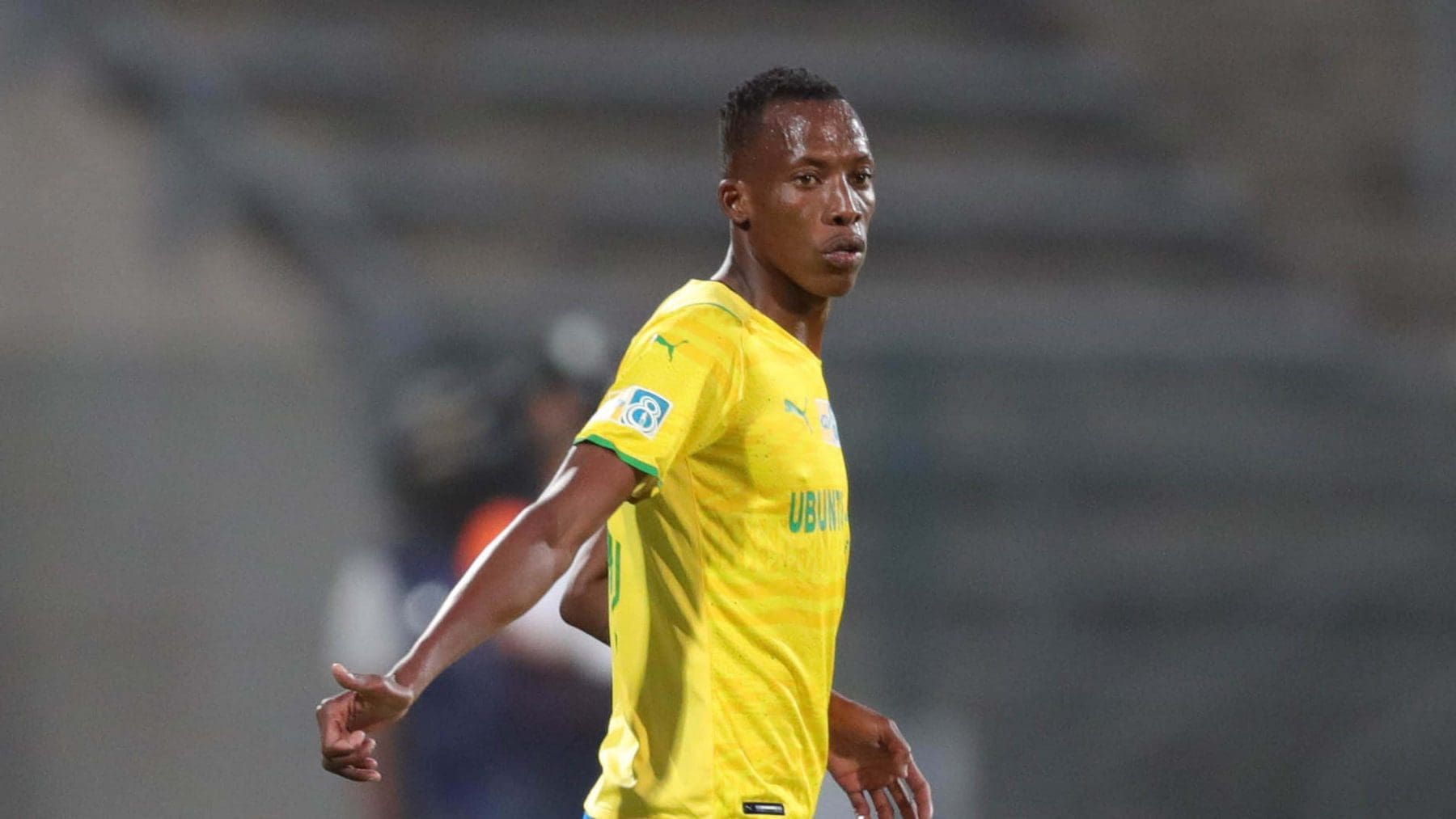
Johannesburg – The glitz and glamour often associated with professional football can quickly fade into a stark reality of danger, particularly for Zimbabwean players plying their trade in South Africa. The recent harrowing experience of Divine Lunga, the esteemed defender for the Zimbabwe Warriors and Mamelodi Sundowns, has once again cast a harsh spotlight on the pervasive issue of crime affecting athletes in the region. Lunga narrowly escaped a potentially fatal encounter in Hillbrow, Johannesburg, in what has been described as a movie-style ‘cash heist’ involving a substantial sum of R34,000.
The incident unfolded on a Sunday evening as the 30-year-old left-back was driving his blue BMW along Tudhope Street with friends. Their journey took an unexpected and terrifying turn when they were approached by an unknown man. This individual, according to a police statement, claimed to have been robbed of R34,000 by occupants of a vehicle ahead of them and mistakenly believed Lunga and his companions were undercover traffic police. In a moment of what they thought was civic duty, Lunga and his friends agreed to follow the suspected vehicle, intending to assist the man. However, this act of good Samaritanism quickly escalated into a life-threatening situation.
During the pursuit, one of the occupants of the alleged getaway vehicle opened fire on Lunga’s car. The sound of gunfire pierced the night, and a bullet struck the BMW, leaving a visible hole in the vehicle’s bodywork. Miraculously, despite the close call and the direct impact on his car, Divine Lunga and his companions emerged from the ordeal physically unharmed. However, reports indicate that the Warriors defender was deeply shaken by the encounter, an understandable reaction to such a traumatic event. The Gauteng police have since launched a full investigation into the incident, registering it as a case of attempted murder at the Hillbrow police station. As of now, no arrests have been made, and enquiries are ongoing, leaving the perpetrators at large and the football community in a state of unease.
This incident, while shocking, is unfortunately not an isolated occurrence. It forms part of a disturbing pattern of Zimbabwean footballers facing violent crime, including robberies and shootings, within South Africa. The allure of the South African Premier Soccer League (PSL) draws many talented players from Zimbabwe, offering better professional opportunities and financial prospects. Yet, this aspiration often comes with the inherent risk of becoming targets for criminals, who perceive these athletes as affluent individuals. The stories of other Zimbabwean stars serve as grim reminders of the dangers that lurk beyond the football pitch.
One of the most tragic cases involves Charles Yohane, a former Warriors defender and Bidvest Wits player, whose life was brutally cut short in February 2022. Yohane, aged 48, was found dead in Soweto, having been shot in the head during a carjacking incident. His body was discovered on a Monday, though authorities believe he was killed on the Saturday night prior. The senseless act of violence saw carjackers steal his vehicle, leaving behind a community in mourning and highlighting the extreme dangers faced by individuals in certain areas of South Africa. Yohane had been residing in South Africa since 1996 and was actively involved in coaching at the time of his death, further underscoring the profound loss to the football fraternity.
Willard Katsande, another prominent Zimbabwean midfielder and former Kaizer Chiefs captain, has also endured multiple traumatic encounters with criminals in Johannesburg. In June 2022, Katsande was involved in a gruesome hijacking incident near Southgate Mall. He recounted being severely assaulted, and his German-manufactured SUV was damaged. During the attack, he lost both business and personal property, including a mobile phone and a significant amount of cash that was in his car. Fortunately, his vehicle was later recovered in Eldorado Park, a suburb in Soweto, thanks to a tracking device. Katsande publicly expressed his trauma, stating, “I’m traumatised right now because of my previous incidents.” This was not his first brush with danger; a year prior, he had been involved in a road rage incident where his car was also damaged. These repeated incidents paint a grim picture of the constant threat faced by public figures in that country.
Khama Billiat, a highly-regarded forward who has played for Mamelodi Sundowns and Kaizer Chiefs, has also been a victim of armed robbery on more than one occasion. In February 2017, Billiat had a terrifying encounter at an Engen garage in Kyalami, north of Johannesburg. Reports indicated that he was robbed at gunpoint by six armed men, some reportedly wielding AK-47 rifles, in the early hours of the morning. He lost valuables during this incident. This was not his only experience; he was reportedly robbed again in 2020 at a mall, further illustrating the vulnerability of even well-known personalities to criminal elements.
Another distressing case is that of Evans Rusike, a former Maritzburg United and SuperSport United striker. Rusike made the difficult decision to return to Zimbabwe after a horrific armed robbery incident in Midrand. He was ambushed near his home, kidnapped by armed criminals, and subsequently robbed. The assailants locked him inside their vehicle before dumping him in a nearby bush, taking his car. The psychological impact of this ordeal was immense, leading Rusike to seek solace and safety back in his home country. He stated, “I went through a difficult time; it is still tough to talk about it because I have yet to get over it. I had to make a tough decision and returning home was the best… I needed to be close to my family as well”, . His decision underscores the profound personal cost of these criminal acts on the lives and careers of these athletes.
The recurring nature of these incidents raises serious questions about the safety of professional footballers, particularly those from neighbouring countries, residing in South Africa. While South Africa offers a vibrant football league and significant opportunities, the persistent threat of violent crime casts a long shadow. The perception of footballers as wealthy targets makes them particularly vulnerable, and the consequences range from financial loss and psychological trauma to, in tragic cases like Charles Yohane’s, the ultimate sacrifice of life. The South African police continue to grapple with high crime rates, and while investigations are often launched, the lack of immediate arrests in many high-profile cases, including Divine Lunga’s, contributes to a sense of insecurity within the sporting community.
These incidents are not merely isolated criminal acts; they represent a systemic challenge that impacts not only the individuals involved but also the broader relationship between Zimbabwean talent and the South African football landscape. The dream of playing in a more competitive league and earning better wages is often tempered by the ever-present fear of becoming another statistic in the country’s battle against crime. For players like Divine Lunga, who bravely intervened in what he believed was a situation requiring assistance, the line between heroism and victimhood can be terrifyingly thin. The football authorities, both in Zimbabwe and South Africa, along with law enforcement agencies, face the ongoing task of ensuring the safety and well-being of these athletes, whose contributions enrich the sport across the continent.