


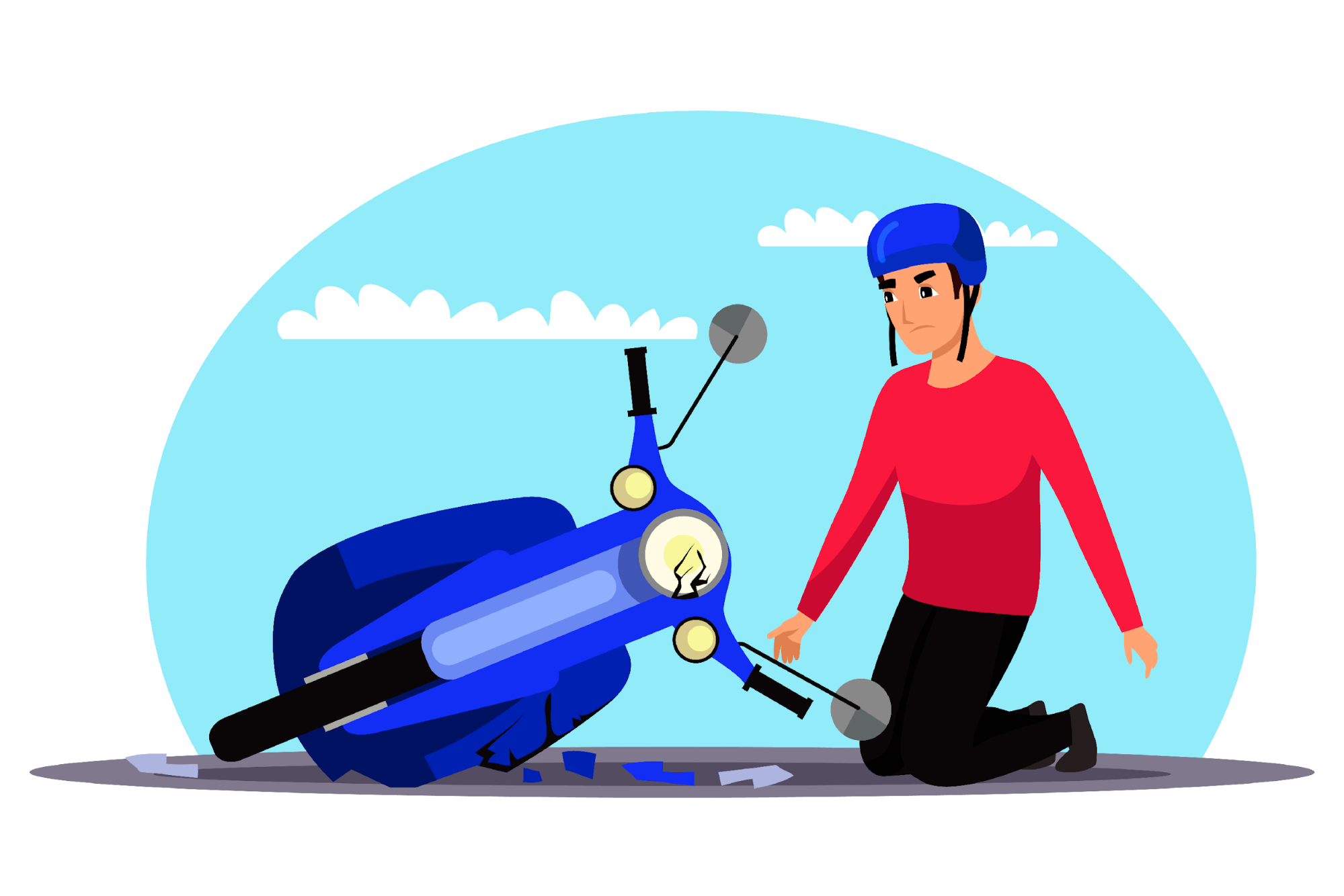
Motorcycle accidents can turn your life upside down in seconds. One moment you’re on the road, and the next, you’re dealing with injuries, a damaged bike, medical bills, and insurance companies that don’t seem to be on your side.
Knowing what to do after a crash is not just helpful — it can make or break your case. The steps you take in the hours and days following an accident will directly affect your mental health, your finances, and your legal rights.
Stay Calm and Prioritize Safety First
The moment’s right after a crash are chaotic and frightening. Your first instinct might be to get up and assess the damage, but moving too quickly can make injuries worse, especially if there’s a spinal or neck injury involved.
Stay still until you know you’re physically okay. If you can move safely, get yourself out of oncoming traffic. Turn on your hazard lights if your bike allows it, and wait for emergency responders to arrive.
Call 911 immediately, even if the injuries seem minor. A police report creates an official record of the accident, and that document will become one of your most important pieces of evidence later on.
Gather Evidence at the Scene
If your condition allows it, start collecting information right away. The more evidence you have from the scene, the stronger your position will be when dealing with insurance companies or in court.
Here’s what to document at the scene:
- Photograph your injuries, your motorcycle, and all vehicles involved
- Capture wide shots of the full accident scene including road conditions
- Get the other driver’s name, license number, and insurance details
- Write down the names and phone numbers of any witnesses
- Note the exact time, date, and location of the crash
- Record any traffic signs, signals, or road hazards nearby
- Screenshot any weather conditions or unusual lighting at the time
Do not leave the scene before the police arrive. Leaving early can be seen as an admission of fault or result in legal penalties depending on your location.
Seek Medical Attention Without Delay
Even if you feel fine after the accident, see a doctor as soon as possible. Some injuries, like internal bleeding, concussions, or soft tissue damage, do not show immediate symptoms but can become serious within days.
Getting checked out right away also creates a medical record that directly links your injuries to the accident. If you wait too long, insurance companies will argue that your injuries came from something else entirely.
Follow every treatment plan your doctor gives you. Missing appointments or stopping treatment early gives insurers an excuse to reduce your compensation or deny your claim altogether.
Be Careful With What You Say
After an accident, your words carry more weight than you might think. Insurance adjusters are trained to find inconsistencies or statements they can use to reduce the amount they pay out.
“Do not apologize at the scene, even out of habit or politeness. An apology can be recorded and used as an admission of fault. Stick to the facts when speaking with the police, and avoid giving detailed statements to anyone before consulting a lawyer,” say Morris Injury Law, a summerlin motorcycle accident lawyer.
This goes for social media too. Avoid posting about the accident, your injuries, or your recovery online. A single photo or caption can be taken out of context and used against your claim.
Understand How Insurance Works After a Motorcycle Crash
Dealing with insurance after a motorcycle accident can feel like a full-time job. The other driver’s liability insurance should cover your damages if they were at fault, but getting that payout is rarely straightforward.
Insurance companies are businesses, and their goal is to settle claims for as little as possible. Adjusters may contact you quickly and offer a fast settlement that sounds generous but rarely covers all your long-term costs.
Do not accept any settlement offer before understanding the full extent of your injuries and damages. Once you sign a release, you give up the right to ask for more money later, even if new medical problems come up.
Review your own policy as well. Uninsured motorist coverage, medical payments coverage, and personal injury protection can all provide additional support depending on the terms of your plan.
Know Your Legal Rights as a Rider
Motorcyclists are often unfairly blamed for accidents simply because of the bias that riders are reckless. This stereotype can work against injured riders during insurance negotiations and even in court.
You have the right to fair compensation for your medical expenses, lost wages, pain and suffering, and property damage. If the other driver was negligent, you may also be entitled to additional damages depending on the laws in your state or country.
Many victims do not realize they have the right to refuse a recorded statement to the other driver’s insurance company. You are not legally required to give one, and doing so without legal advice can seriously hurt your case.
Hire a Personal Injury Lawyer
This is one of the most important steps an injured rider can take. A personal injury lawyer who handles motorcycle accident cases understands the bias against riders and knows how to counter it.
Most motorcycle accident lawyers work on a contingency basis, meaning you pay nothing upfront and they only get paid if you win. This makes legal help accessible even when medical bills are already piling up.
A good lawyer will handle communication with insurance companies, gather additional evidence, work with medical experts, and negotiate a settlement that reflects your actual losses. They also know when to take a case to court if an insurer refuses to offer fair compensation.
Do not wait too long to get legal help. There is a legal deadline called the statute of limitations that limits how long you have to file a personal injury claim. Missing that deadline means losing your right to compensation permanently.
Track Every Cost and Loss
From the day of the accident forward, start keeping detailed records of everything related to your case. This habit will support your claim and help your lawyer build the strongest case possible.
Keep receipts for all medical treatments, prescriptions, and therapy sessions. Document every day you miss work and calculate the income lost. If you need help with daily tasks due to your injuries, track those costs as well.
Also write down how the injuries affect your daily life. Chronic pain, sleep problems, emotional distress, and the inability to enjoy activities you once loved all count as damages in a personal injury claim.
Final Thoughts
A motorcycle accident can feel overwhelming, but you do not have to face the aftermath alone. The actions you take in the hours, days, and weeks after a crash will shape the outcome of your recovery and your claim.
Protect your health, protect your evidence, and protect your legal rights. With the right steps and the right support, injured riders can get the compensation they deserve and begin to rebuild after a devastating experience.