


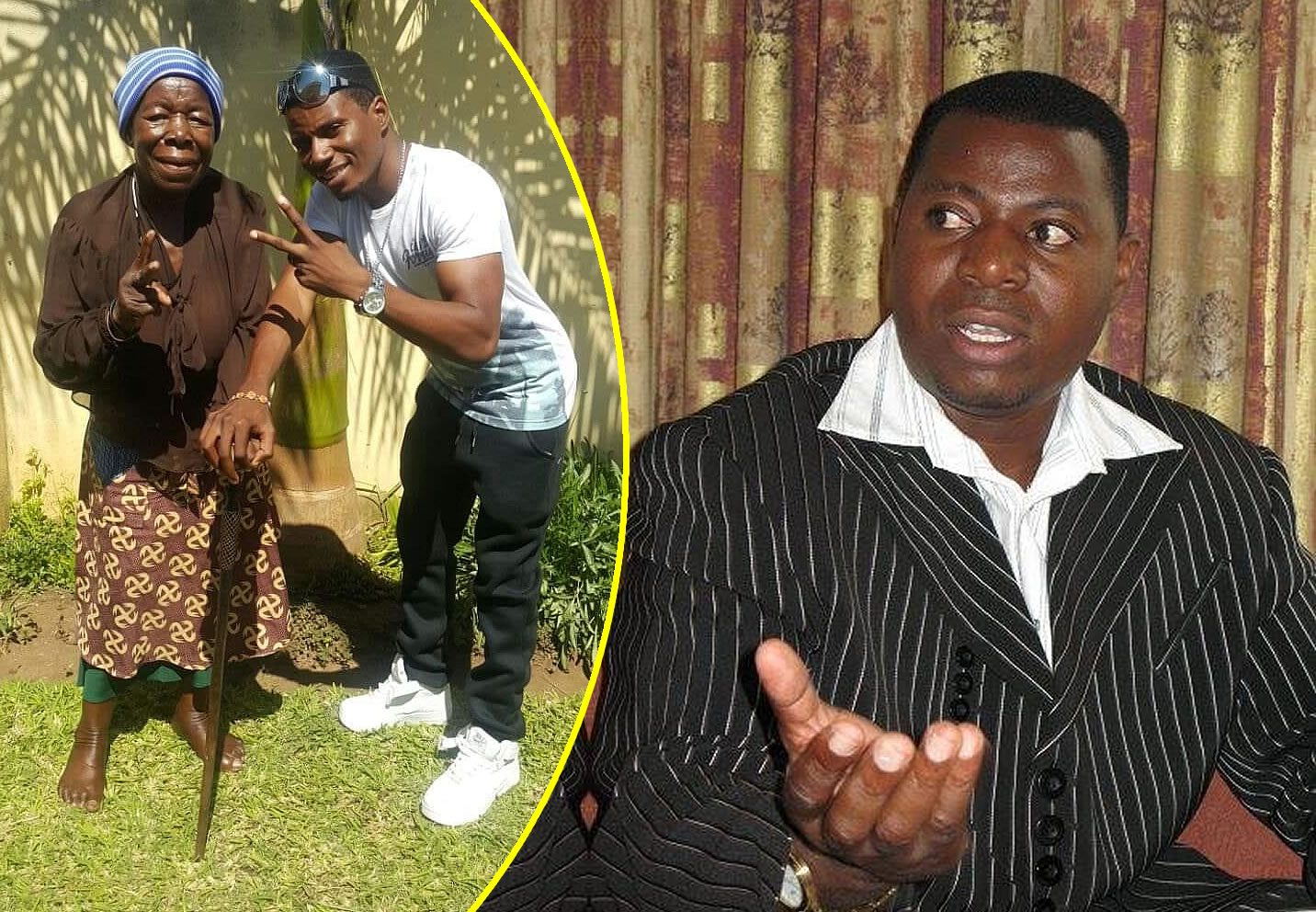
The Moyo family and the wider Zimbabwean music fraternity are in mourning following the death of Esther Mhurai Zengeya, the mother of the late sungura music icon Tongai Moyo. Popularly known as Gogo Chihera, she passed away on Wednesday, 28 January 2026, at the remarkable age of 94. Her death marks the end of an era for a family that has endured more than its fair share of public tragedy and internal strife.
Gogo Chihera died peacefully at her rural home in Zhombe, Sosembe, specifically in Village 6, where she had been receiving care. The family spokesperson and her grandson, Obert Moyo, confirmed the passing, noting that she had been battling ill health for some time.
The Unifier’s Final Rest
For the Moyo family, Gogo Chihera was far more than just a matriarch; she was the last great unifier. Her presence was a source of stability and balance, particularly in the years following the death of her famous son, Tongai, in 2011.
Speaking on the profound loss, Obert Moyo offered a heartfelt tribute, using words that underscore her central role in the family structure. He stated:
“Gogo had been unwell for some time. We are deeply saddened by her passing as she was a pillar of strength in our family and community.”
He further elaborated on her crucial peace-making role, a detail that takes on added significance given the public disagreements that have plagued the family’s younger generation. “She was a unifier,” Obert Moyo confirmed. “Whenever there were misunderstandings within the family, Gogo Chihera would call everyone to order. She loved everyone equally. We have lost a pillar.”
Mourners have gathered at the Sesombe homestead in Village 6 to pay their respects, with funeral arrangements expected to be announced shortly. Well-wishers wishing to offer condolences have been encouraged to contact the family through Obert Moyo.
A Life Marked by Resilience and Illness
Gogo Chihera’s final years were characterised by persistent health struggles. Obert Moyo confirmed that she had been battling asthma and persistent complications affecting her legs. This was not the first time the elderly woman’s health had been a cause for public concern. In May 2014, when she was 93, reports surfaced that she had been taken ill and was admitted to a private hospital in Kwekwe. At the time, her grandson Peter Moyo, who had taken over the reins of the Utakataka Express band, confirmed the illness, stating that they had been referred to specialists in Bulawayo. Peter Moyo was quoted as saying:
“She is not feeling well and as I speak we have been referred to specialists in Bulawayo. She is complaining about her legs and stomach. From what we have gathered from the doctors it looks like she is being treated for a cancer-like disease.”
While the exact nature of the “cancer-like disease” was never fully disclosed, the revelation adds a layer of investigative detail to the narrative of her long battle with poor health, a fight she waged with the same quiet resilience that defined her life.
The Shadow of the ‘Dhewa’ Legacy
Gogo Chihera’s passing inevitably casts a spotlight back onto the tragic and complex legacy of her son, Tongai Moyo, affectionately known as ‘Dhewa’ or ‘Igwe’. Tongai Moyo, a giant of the sungura genre, died on 15 October 2011, at the age of 43, after a long and public battle with Non-Hodgkin’s Lymphoma, a type of cancer. His death was a devastating blow to the Zimbabwean music scene, and his mother’s role in preserving his memory and guiding his children became paramount.
The Moyo family’s history is one of immense talent intertwined with deep personal tragedy. Before Tongai’s own death, the family was rocked by the suicide of his wife in May 2010, who took her own life by ingesting rat poison. The loss of the family’s patriarch and the subsequent public disputes among his children over his estate and musical legacy meant that Gogo Chihera’s unifying presence was not just desired, but absolutely essential.
The Matriarch’s Guiding Hand
Gogo Chihera’s influence extended directly into the continuation of the Utakataka Express band under her grandson, Peter Moyo. She was a vocal supporter of Peter’s efforts to step into his father’s massive shoes. In 2014, she demonstrated her support by gracing Peter’s album launch, where she publicly expressed her satisfaction with his progress. She was on record as saying that she saw “no difference between Tongai and Peter” as the two had always looked after her.
Her commitment to the family’s traditions and the continuity of the Moyo name was further demonstrated when she took Peter to his father’s grave site to perform a traditional ritual following his acquisition of two new cars. This act highlighted her role as the custodian of the family’s spiritual and cultural heritage, ensuring that the younger generation honoured their ancestors.
Peter Moyo himself acknowledged her importance during her 2014 illness, stating:
“We just hope that she will be fine because she is the one who is behind the family unity since the death of my father.”
With her passing, the family has lost the one person who could consistently enforce that unity.
A Period of Profound Loss for Sungura
Gogo Chihera’s death comes at a time when the sungura music community is still reeling from other significant losses. Just two months prior, in December 2025, the genre lost another of its foundational figures, Nicholas Zakaria, affectionately known as ‘Madzibaba’ or the ‘Senior Lecturer’. Zakaria, who was 69, was a mentor to many, including Alick Macheso, and his death was widely mourned.
The back-to-back loss of a genre pioneer and the matriarch of one of its most prominent families underscores a difficult period for Zimbabwean music. Gogo Chihera’s long life, marked by resilience, wisdom, and quiet authority, leaves behind memories that will continue to bind her family together—even in her absence. Her legacy is not just that of a mother to a star, but of a woman who held a fractured family together through the sheer force of her love and moral authority.