


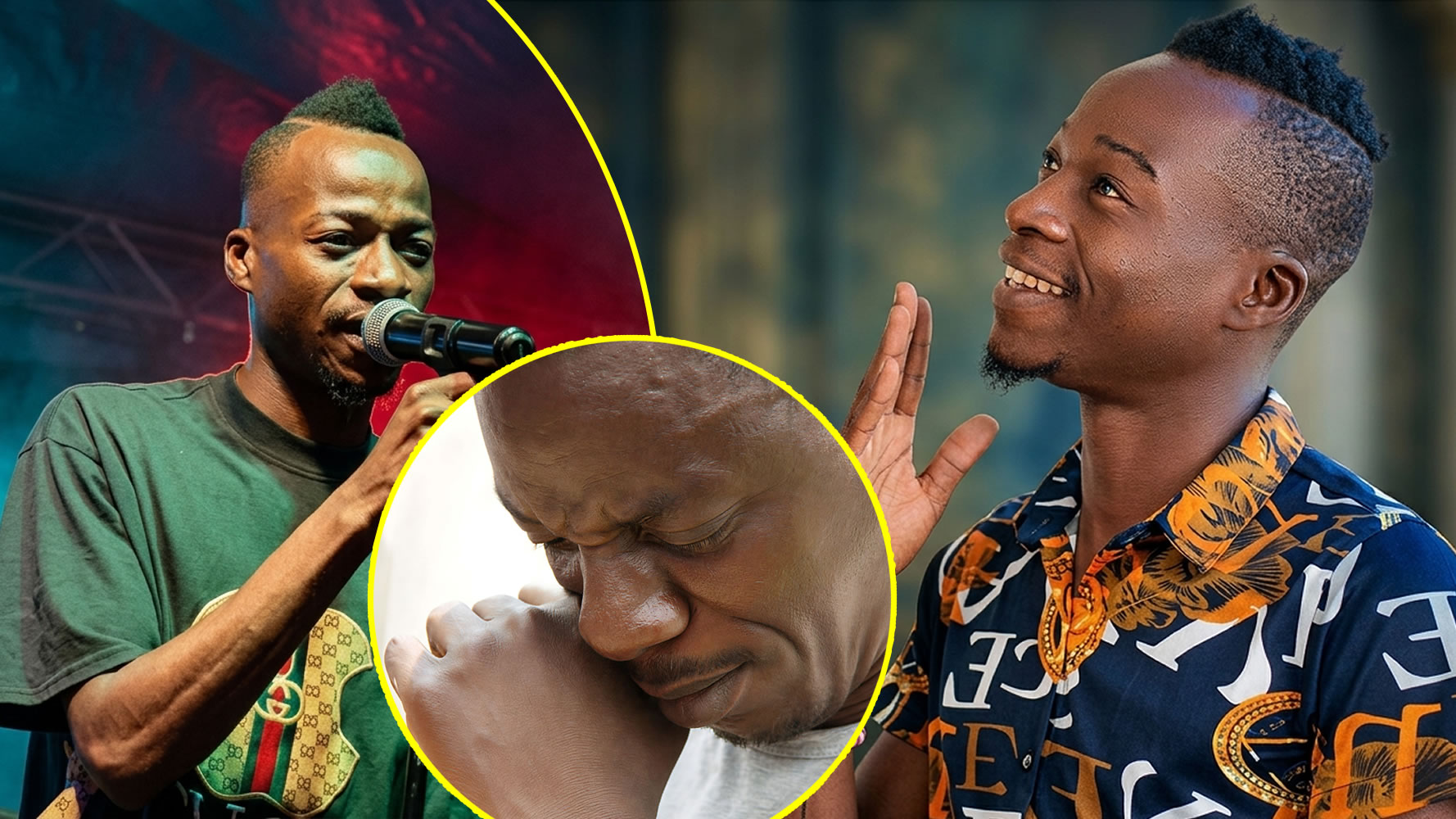
The Silent Symphony of Sorrow: Unmasking the Tragedy and Turmoil Within Alick Macheso’s Orchestra Mberikwazvo
The stage lights of Zimbabwean sungura have long been synonymous with the electric energy of Alick Macheso, the “Extrabasso” himself. Yet, behind the thumping basslines and the choreographed precision of Orchestra Mberikwazvo, a darker, more sombre melody has been playing. The sudden and controversial death of Barnabas “Barna” Mandipota, a livewire vocalist and dancer, has not only left a void in the band but has also pulled back the curtain on a staggering series of misfortunes that seem to haunt the members of Zimbabwe’s most iconic musical outfit.
The Mystery of the “Deep Wound”
When news first broke of Barna’s passing on a Thursday morning in April 2026, the initial reports were as confusing as they were alarming. Whispers of foul play began to circulate almost immediately, fuelled by sightings of a “deep wound” on the musician’s neck. In the high-stakes world of Zimbabwean showbiz, where rivalries can be fierce and superstitions run deep, such a discovery was enough to ignite a firestorm of speculation.
The confusion was compounded by conflicting accounts from within Barna’s own household. At one point, his wife reportedly mentioned a simple toothache as the cause of his discomfort in his final days. This discrepancy prompted the Mandipota family to halt immediate burial proceedings and demand a post-mortem.
“It’s true his wife mentioned a toothache, but we needed professional confirmation,” explained Fastmove Mandipota, Barna’s brother and family spokesperson. “We followed procedure so we could understand exactly what happened. Now we are satisfied with the doctors’ report.”
The medical findings, however, told a story not of violence, but of a tragic, neglected ailment. According to the family, doctors revealed that Barna had been battling a neglected boil on his neck for months. What seemed like a minor skin irritation had worsened and spread internally with devastating consequences.
“We were told the boil developed complications and affected his breathing,” Fastmove revealed. “It spread through the body and ended up affecting his lungs. That is what led to his death.”
A Family Divided: The Burial Drama
Even as the cause of death was clarified, the drama surrounding Barna’s final send-off continued. A tense tug-of-war emerged within the Mandipota family regarding his final resting place. Initial plans had been set to lay the musician to rest in Bikita’s Chiremwaremwa Village, his ancestral home. However, elders from Kadoma—the town where Barna was raised and where his musical journey truly began—stepped in to redirect the burial.
After days of uncertainty and shifting plans, the family reached a resolution. Barna would be buried at the Kadoma Hospital Cemetery.
“Barna will be buried in Kadoma. That is the resolution we reached as a family,” Fastmove confirmed. “We had to respect the elders’ decision. He grew up here, this is home, and we are now focused on giving him a dignified send-off.”
The decision brought a semblance of closure to a family reeling from the loss of a young man who left behind four children—the eldest just 10 years old—and a pregnant wife. “We are burying a young man with a young family. It’s a very painful situation,” his brother lamented. “But we have accepted what has happened and we are moving forward.”
The Livewire of Orchestra Mberikwazvo
To the fans of Orchestra Mberikwazvo, Barna was more than just a backing vocalist; he was the “spark before the storm.” Known for his striking Mohawk hairstyle and commanding stage presence, he doubled as a drummer, choreographer, and dancer. His journey was a classic tale of Zimbabwean hustle, starting in Kadoma with Nakiso Express before moving through the ranks of Somandla “Mafia” Ndebele and Mark Ngwazi’s Njanja Express.
Returning to the Denda Brothers before finally finding his footing at Orchestra Mberikwazvo, Barna became a fan favourite. On stage, he was responsible for warming up the crowds with electrifying dances before Macheso took over. Off stage, colleagues described him as humble, hardworking, and deeply committed to his craft.
A Pattern of Misfortune: The “Mberikwazvo Curse”?
Barna’s death is not an isolated tragedy. It is the latest in a harrowing string of health crises and misfortunes that have struck nearly every corner of Alick Macheso’s band and management. To some observers, the sheer volume of these incidents has begun to look less like a coincidence and more like a systemic crisis.
|
Member Name
|
Role
|
Condition/Incident
|
Status
|
|
Barnabas “Barna” Mandipota
|
Vocalist/Dancer
|
Neglected boil leading to lung failure
|
Deceased (April 2026)
|
|
Jethro Machanja
|
Former Manager
|
Diabetes complications
|
Left leg amputated (Feb 2026)
|
|
Selemani “Majuice” Mpochi
|
Lead Dancer
|
Swollen legs, High BP, Diabetes
|
Unable to perform
|
|
Tafi Nyamunda
|
Guitarist
|
Sudden loss of vision
|
Completely blind; performs with aid
|
|
Lucky Mumiriki
|
Rhythm Guitarist
|
Recurring strokes (since 2011)
|
Critically ill; GoFundMe launched
|
|
Elton Muropa
|
Vocalist
|
Undisclosed long-term illness
|
Absent from stage for months
|
|
Taurai Miti (Ponda Ponda)
|
Band Member
|
Road traffic accident (2020)
|
Wheelchair-bound
|
The Plight of Jethro Machanja
In February 2026, the gravity of the situation was underscored by the plight of Jethro Machanja, Macheso’s former manager who dedicated 15 years to the band. At 53, Machanja underwent a left leg amputation at Chitungwiza Central Hospital following a grueling battle with diabetes.
Speaking from his hospital ward, Machanja issued a poignant appeal for proactive health management. “My appeal to Zimbabweans is that we should get regular health tests for things like diabetes and BP,” he stated.
He reflected on the changing lifestyle in Zimbabwe, musing that modern diets might be contributing to the severity of such illnesses.
The Blind Guitarist and the Ailing Dancer
The current lineup of Orchestra Mberikwazvo is equally embattled. Tafi Nyamunda, a veteran guitarist, recently lost his sight entirely. The suddenness of the condition reportedly left him grappling with suicidal thoughts before he found the strength to return to the stage, now relying on fellow musicians to navigate his movements.
Meanwhile, the band’s star dancer, Selemani “Majuice” Mpochi, has been sidelined by a combination of swollen legs, high blood pressure, and diabetes. During a recent performance in Harare, Macheso introduced a frail Majuice to the crowd, not to dance, but to explain his absence. “Hanzi mabhonzo haasi kuita zvakanaka,” Macheso told the fans, indicating that the dancer’s bones were not healing properly.
The Welfare Debate: Support or Abandonment?
Alick Macheso has often been portrayed as a steadfast pillar of support for his “family” at Orchestra Mberikwazvo. He has publicly stated his commitment to their welfare, even for those like Lucky Mumiriki who have not performed in over a decade.
“We will continue trying our best to make sure that their welfare is being taken care of,” Macheso told reporters. “Of course we might fail to do everything asi chishuwo ndechekuti mhuri dzavo dzirarame.”
However, this narrative of unwavering support has faced scrutiny. In December 2025, social media was awash with claims that Macheso had “dumped” Lucky Mumiriki. The controversy erupted after Mumiriki’s daughter launched a GoFundMe campaign to cover mounting medical bills at Westview Hospital, leading fans to question why the wealthy sungura star wasn’t footing the entire bill.
While some band members, like Ponda Ponda, have defended Macheso—stating that “mdhara Macheso has been taking care of me… from rentals, food and a lot of other issues”—the recurring need for public appeals suggests a gap between the band’s internal support systems and the astronomical costs of long-term medical care in Zimbabwe.
Conclusion: The Human Cost of the Rhythm
As Barna Mandipota is laid to rest in Kadoma, the music of Orchestra Mberikwazvo continues. But the rhythm is now heavy with the weight of those who can no longer dance, those who can no longer see the strings they pluck, and those who have lost limbs to the very hustle that brought them fame.
The story of Barna’s “deep wound” may have been resolved by a medical report, but the deeper wounds within the band remain open. Whether it is a streak of tragic luck or a reflection of the harsh realities facing veteran artists in Zimbabwe, the silence left by Barna’s absence is a haunting reminder that the show must go on—even when the performers are falling one by one.