


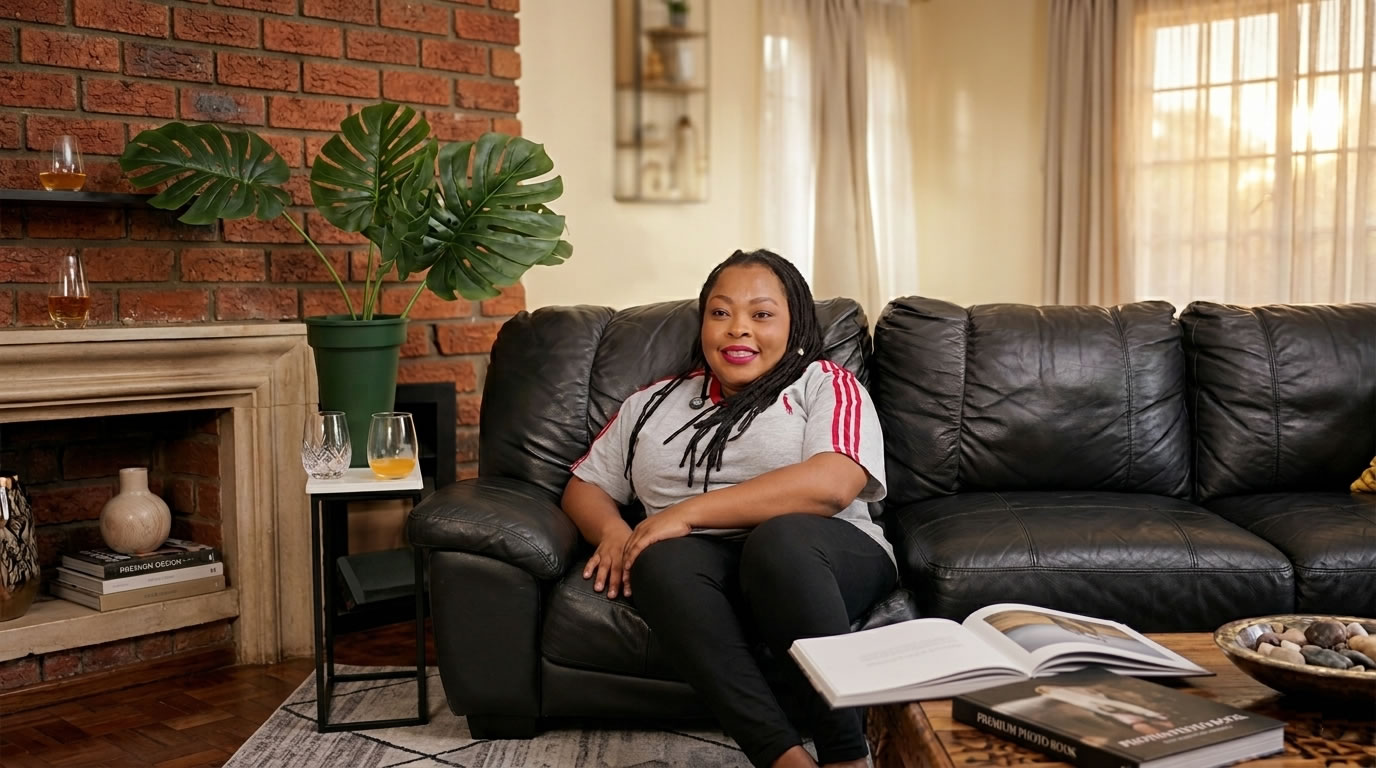
Diana Samkange’s “Security” Nightmare: Unravelling the Truth Behind a Cancelled Show
When the acclaimed Afro-fusion artist Diana Samkange, known affectionately as Mangwenya, announced the cancellation of her much-anticipated Mabelreign show, fans were left bewildered. The official reason given – “security reasons” – felt vague, prompting speculation and questions about the true circumstances behind the sudden decision. Was this a genuine threat to the artist’s safety, a convenient excuse for low ticket sales, or perhaps a more complex narrative involving industry politics and personal disputes? This investigative piece delves into the layers of rumour and fact to uncover what truly transpired.
The cancellation of the “Afro Fusion Night,” originally scheduled for Saturday, 18 April 2026 – Zimbabwe’s Independence Day – at the Ligi Sports Bar in Mabelreign, came amidst a disturbing surge in violent crime across Harare’s western suburbs. The areas of Mabelreign and Marlborough, in particular, have recently become hotspots for armed robberies, creating an atmosphere of fear and uncertainty among residents and businesses alike. This backdrop of escalating insecurity provides a crucial context for understanding Samkange’s decision.
A Community Under Siege: The Rising Tide of Violent Crime
The period leading up to Samkange’s cancelled show saw a series of brazen and brutal armed robberies that underscored the perilous security situation in Mabelreign and Marlborough. These incidents were not mere petty thefts; they involved extreme violence, resulting in severe injuries and even fatalities. The audacity of the criminals, coupled with their ruthless methods, painted a grim picture of a community grappling with a serious threat.
One of the most shocking incidents occurred on 10 April 2026, when three Zimbabwe Republic Police (ZRP) officers on patrol were ambushed by a gang of armed robbers. Inspector Magidi, Constable Nyamushamba, and Constable Chihanga were observing their surroundings from their parked Nissan Tilda patrol car along Northolt Road near Divaris Makaharis School in Mabelreign. Suddenly, three men, their faces obscured by black balaclavas, appeared, armed with a claw bar and a high-powered torch. The situation quickly escalated into a violent confrontation.
According to a leaked internal police communication, Constable Chihanga, who was armed with a G3 rifle, attempted to fire through an open window, but the rifle jammed. The criminals immediately advanced, surrounding the vehicle and smashing its windscreen with a claw bar. Constable Nyamushamba managed to escape through the driver’s door but was struck on the shoulder with a claw bar. Inspector Magidi, attempting to engage the attackers, was hit on the forehead with a brick and fell to the ground. Constable Chihanga, blocked from exiting the vehicle, used the butt of his G3 rifle to strike one of the assailants. Despite his efforts, he was then hit twice on the head with a claw bar, causing him to fall. The robbers seized the G3 rifle, serial number 5567, and drove away in the police’s white Nissan Tilda, registration number ACS 1584, also taking two cellphones – a Samsung A15 and a Techno 10. The three injured officers were hospitalised at Parirenyatwa Hospital, their condition reported as stable.
This attack on law enforcement officers highlighted the extreme danger posed by these criminal elements. It demonstrated a level of aggression and organisation that went beyond typical street crime, suggesting a well-coordinated and highly dangerous gang operating in the area. The theft of a service rifle and a patrol car further amplified concerns about the criminals’ capabilities and potential for future violence.
Adding to the climate of fear were the attacks on educational institutions. Just days before Samkange’s scheduled performance, Mabelreign Girls High School became the target of an armed robbery on 16 April 2026. Three armed men assaulted security guards, leaving one in a critical condition and fighting for his life. This incident was not isolated; it was the third school in the Harare West constituency to be targeted within a single week.
These incidents collectively painted a picture of a community under siege, where even institutions meant to be safe havens were vulnerable. The police responded by increasing their presence in Mabelreign, Marlborough, and Hallingbury, with authorities urging residents to remain vigilant. It was against this backdrop of heightened insecurity that Diana Samkange’s management made the difficult decision to cancel her show.
The Artist’s Perspective: Beyond the “Security” Smokescreen
While the official statement from Mangwenya Music Management cited “security concerns” and “unforeseen circumstances beyond our control,” the entertainment industry is often rife with underlying complexities. The phrase “security reasons” can sometimes be a convenient umbrella term, leading to speculation about other potential factors influencing such a significant decision. My Zimbabwe News, in its investigative pursuit, explored various angles that often characterise the Zimbabwean music scene.
One common rumour in such situations is that of poor ticket sales. A cancelled show can sometimes be a discreet way to avoid the embarrassment of a sparsely attended event. However, given Diana Samkange’s popularity and the anticipation surrounding her performances, this explanation seemed less likely to be the sole reason. Samkange, known for her captivating stage presence and soulful voice, has a dedicated fan base that typically ensures strong attendance at her shows.
Another, more controversial, angle often whispered in gossip circles involves a potential fallout with a powerful “benefactor.” In the Zimbabwean entertainment landscape, artists, particularly female artists, sometimes rely on financial backing from individuals or organisations. Disputes with such benefactors can have significant repercussions on an artist’s career and planned events. While there was no concrete evidence to support such claims in Samkange’s case, the possibility remains a recurring theme in industry discussions.
Furthermore, the article’s original summary hinted at a “conspiracy” that the cancellation was a protest against the “Afro Culture Connect” organisers. This suggests a potential disagreement or dissatisfaction with the event’s promoters or broader industry practices. The entertainment sector in Zimbabwe is known for its intricate web of rival promoters and, at times, political factions, which can create challenging environments for artists to navigate. Artists can find themselves caught in the middle of these rivalries, and a show cancellation could, in some instances, be a statement or a consequence of such tensions.
Diana Samkange: A Career Forged in Fire
Diana Mationesa Samkange, known professionally as Mangwenya, has carved a significant niche for herself in the Zimbabwean music industry. Her journey began in 2004 as part of the urban grooves group 2BG. After the group disbanded, Samkange embarked on a solo career in 2012, transitioning her musical style towards jazz and Afro-fusion, deeply influenced by traditional mbira music. This shift was not merely artistic; it was a spiritual connection to the instrument, which she has often spoken about.
Her career, however, has not been without its challenges. As a female artist in Zimbabwe’s “tough” entertainment scene, Samkange has been vocal about the systemic issues that often hinder women in music. She, along with other prominent female musicians like Queen Mashie and Vimbai Zimuto, has highlighted concerns about the exclusion of female artists from major gigs and the pervasive sexism within the industry. These challenges range from unequal pay and limited performance opportunities to societal expectations and the struggle for recognition in a male-dominated field.
Samkange’s resilience and determination to leave a lasting legacy through her music have made her a respected figure. Her experiences mirror those of many female artists who constantly battle against various forms of discrimination and marginalisation. The pressure to maintain relevance, secure bookings, and navigate complex industry relationships can be immense, making any decision to cancel a show, especially one highly anticipated, a weighty one.
The Interplay of Fear and Artistic Freedom
The decision to cancel the Mabelreign show, while officially attributed to security concerns, likely represents a confluence of factors. The palpable fear gripping the Mabelreign and Marlborough communities due to the surge in violent robberies would undoubtedly weigh heavily on any artist and their management. The safety of the performer, their crew, and the audience is paramount, and proceeding with an event in a high-risk area could be seen as irresponsible.
However, the underlying currents of the entertainment industry cannot be ignored. The financial implications of a cancellation, the potential loss of revenue, and the impact on an artist’s reputation are significant. This is where the “vague” nature of “security reasons” can lead to broader interpretations. Was the threat so direct and specific that it necessitated an immediate halt, or was it a general assessment of the deteriorating security landscape that made the risk too high to justify?
The article’s initial summary suggested that the story would attract both gossip lovers and music fans, indicating the dual nature of public interest in such events. On one hand, there is genuine concern for the artist’s well-being and the broader security situation. On the other, there is an undeniable fascination with the “hidden” drama, the unspoken truths, and the intricate power dynamics that often shape the careers of public figures.
In conclusion, Diana Samkange’s cancelled Mabelreign show serves as a poignant reflection of the multifaceted challenges faced by artists in Zimbabwe. While the immediate cause was undoubtedly the alarming rise in violent crime in the area, the decision also brings to light the broader struggles within the entertainment industry – from the economic pressures of staging events to the ongoing fight for equitable treatment for female artists. The “security” smokescreen, while valid in its immediate context, invites a deeper examination of the intricate realities that shape artistic endeavours in a complex socio-economic environment.
The incident underscores the urgent need for improved security in communities like Mabelreign and Marlborough, not only for the safety of residents but also to ensure that cultural events, which bring joy and respite, can proceed without fear. The simplified truth behind the cancellation is a blend of genuine security fears and the ever-present complexities of the music business, a narrative that resonates far beyond the confines of a single cancelled performance.