


HARARE – A disturbing pattern of negligence and exploitation has cast a long shadow over Zimbabwe’s public transport system, particularly affecting the nation’s most vulnerable citizens: its schoolchildren. Recent incidents, ranging from dangerously overloaded commuter omnibuses to horrific acts of sexual assault within informal transport vehicles, paint a grim picture of a system teetering on the brink of chaos, where profit often trumps safety and human dignity.
At the heart of this crisis are the ubiquitous kombis and mushikashika, informal taxis that have become a lifeline for many in the absence of adequate formal public transport. However, their unregulated nature has created fertile ground for unsafe practices and criminal behaviour, leading to tragic consequences that resonate deeply within communities across the country.
The Alarming Reality of Overloaded School Transport
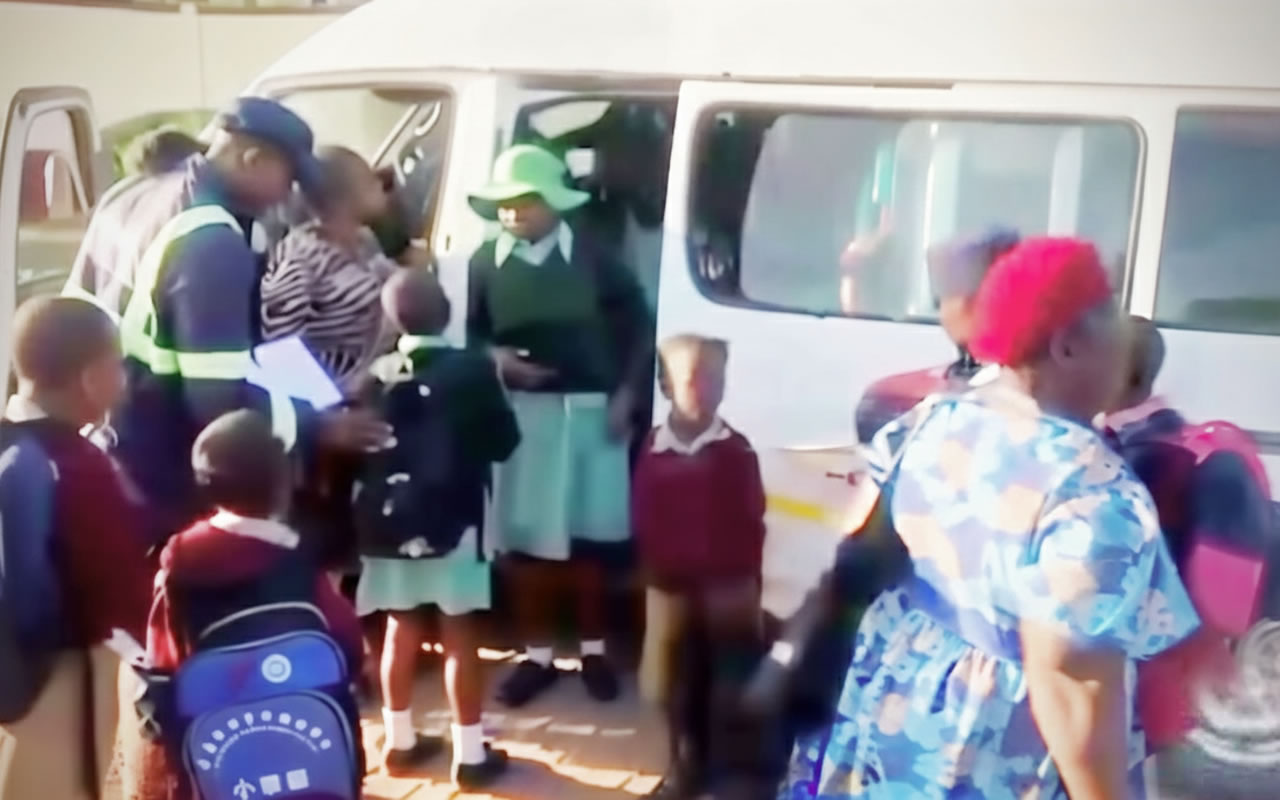
The sheer scale of overloading in school transport was starkly highlighted by a recent police operation in Harare. In a shocking revelation, two 18-seater kombis were found to have collectively ferried 80 people, including 77 pupils and three teachers, over an 11-day period. This meant that these vehicles, designed to carry a maximum of 36 passengers combined, were overloaded by an astonishing 44 individuals, 41 of whom were schoolchildren.
One of the drivers, 42-year-old Kumbulani Tauzeni, was apprehended on 24 February 2026, after police intercepted his Toyota Hiace kombi. Tauzeni was operating his daily school run from Fidelity suburb to Kudakwashe Primary School in Glen Norah B, with 35 pupils and three teachers crammed inside. The vehicle itself was a catalogue of hazards: it lacked passenger insurance and a Certificate of Fitness, while Tauzeni himself could not produce a defensive driving licence or a medical certificate. The owner of the kombi remains unidentified, raising questions about accountability beyond the immediate drivers.
This incident followed closely on the heels of a high-profile intervention by Minister of Youth Empowerment, Development and Vocational Training, Tino Machakaire. On 13 February, the Minister personally stopped a kombi that was carrying an egregious 42 learners in a vehicle designed for just 13 passengers. Minister Machakaire expressed profound concern, drawing parallels with recent tragedies in South Africa where school transport accidents had claimed the lives of over 20 learners.
“Forty-two children, someone’s whole world, squeezed into one small kombi,” Minister Machakaire stated on his social media platforms. “All I could think about were the recent tragedies in South Africa, where school transport accidents have claimed the lives of more than 20 learners. Those are not just numbers. They are families changed forever. It made me wonder how easily that could happen to any of us.” He further criticised the fact that the unroadworthy vehicle was almost allowed to pass a manned roadblock without consequence, underscoring a systemic failure in enforcement. His intervention garnered widespread praise, yet the problem persists.
Indeed, the issue of overloaded kombis and the associated risks to students is a recurring nightmare for Zimbabwean parents. Transport experts consistently warn that overloading severely compromises vehicle stability, increases braking distances, and heightens the risk of accidents. Despite numerous police crackdowns and public outcry, the practice continues, driven by economic pressures and a desperate need for transport.
The Dark Underbelly of Informal Transport: A Case of Assault
Beyond the physical dangers of overcrowded vehicles, the informal transport sector, particularly mushikashika, has become a breeding ground for other, more sinister threats. A harrowing incident in Chinhoyi in July 2024 brought to light the extreme vulnerability of passengers, especially children, within these unregulated spaces.
A 26-year-old man from Rujeko, Chinhoyi, stood accused of indecently assaulting a 10-year-old Grade 5 girl in the boot of a mushikashika. The incident occurred on 13 July 2024, around 6:00 PM, while the victim and her mother were travelling home in a Honda Fit. The young girl was seated in the boot of the car with the accused when the assault took place.
The National Prosecuting Authority of Zimbabwe (NPAZ) detailed the horrific act in a statement on X, revealing that the accused “inserted his right hand inside the complainant’s skirt and touched her private parts four times. He also caressed her thighs twice without her consent. He offered the complainant a USD1 note, but she refused.” The victim, upon disembarking, immediately reported the incident to her mother, leading to a police report and the subsequent arrest of the perpetrator.
This incident underscores the profound lack of safety and oversight in informal transport. The confined and often isolated spaces within mushikashika vehicles, coupled with the absence of formal regulation, create an environment where such abuses can occur with terrifying ease. The offer of a mere USD1 highlights the predatory nature of the crime and the perceived cheapness of a child’s innocence in such contexts.
A Widespread and Persistent Problem
The incidents in Harare and Chinhoyi are not isolated. Zimbabwe has a long and tragic history of road accidents involving public transport, with overloaded and unroadworthy vehicles frequently cited as contributing factors. In July 2025, a devastating collision on Seke Road near Manyame River Bridge, linking Harare and Chitungwiza, claimed the lives of at least 17 people. The accident involved a haulage truck and a kombi, with witnesses reporting that the truck encroached into the opposite lane, crushing the commuter omnibus. Among the dead were two children and two pedestrians. This tragedy serves as a stark reminder of the lethal consequences when road safety regulations are flouted.
Police statistics consistently reveal a high number of road accidents, with figures often surging during holiday periods despite intensified safety crackdowns. The Zimbabwe Republic Police (ZRP) has frequently launched operations targeting unroadworthy vehicles, unlicensed drivers, and illegal mushikashika operators. For instance, in February 2026, the ZRP announced a nationwide crackdown on unroadworthy public service vehicles, with a particular focus on commuter omnibuses and pirate taxis. Harare’s Mayor has also declared a crackdown on mushikashika, warning that impounded vehicles could face destruction.
However, the effectiveness of these crackdowns is often short-lived. The informal transport sector thrives on the economic realities of Zimbabwe, where formal employment is scarce and the demand for affordable transport is high. Many operators view fines and impoundments as merely a cost of doing business, quickly returning to their illegal activities once the immediate pressure subsides. The vulnerability of users of informal transport, particularly mushikashika, is a well-documented concern, with many expressing fear and discomfort due to the pervasive sense of insecurity.
The Call for Comprehensive Solutions
The recurring nature of these problems necessitates a more comprehensive and sustained approach. While police crackdowns are essential, they address the symptoms rather than the root causes. There is an urgent need for multi-faceted interventions that include:
- Enhanced Regulation and Enforcement: Stricter licensing for drivers and vehicles, regular and thorough inspections, and severe penalties for non-compliance, extending to vehicle owners.
- Formalisation of Transport: Developing and supporting a reliable, safe, and affordable formal public transport system that can absorb the demand currently met by informal operators.
- Public Awareness Campaigns: Educating passengers, especially parents and schoolchildren, about the dangers of overloaded and unroadworthy vehicles, and empowering them to report unsafe practices.
- Community Engagement: Working with communities to identify and address the underlying socio-economic factors that drive the proliferation of informal and often unsafe transport options.
- Child Protection Measures: Implementing specific safeguards for children using public transport, including designated school transport services with vetted drivers and chaperones.
The safety of Zimbabwe’s citizens, particularly its children, cannot be compromised. The incidents of overloaded kombis and the horrifying assault in a mushikashika serve as a powerful indictment of a system that desperately needs reform. It is a collective responsibility of the government, law enforcement, transport operators, and the public to ensure that every journey is safe and every passenger is protected.