


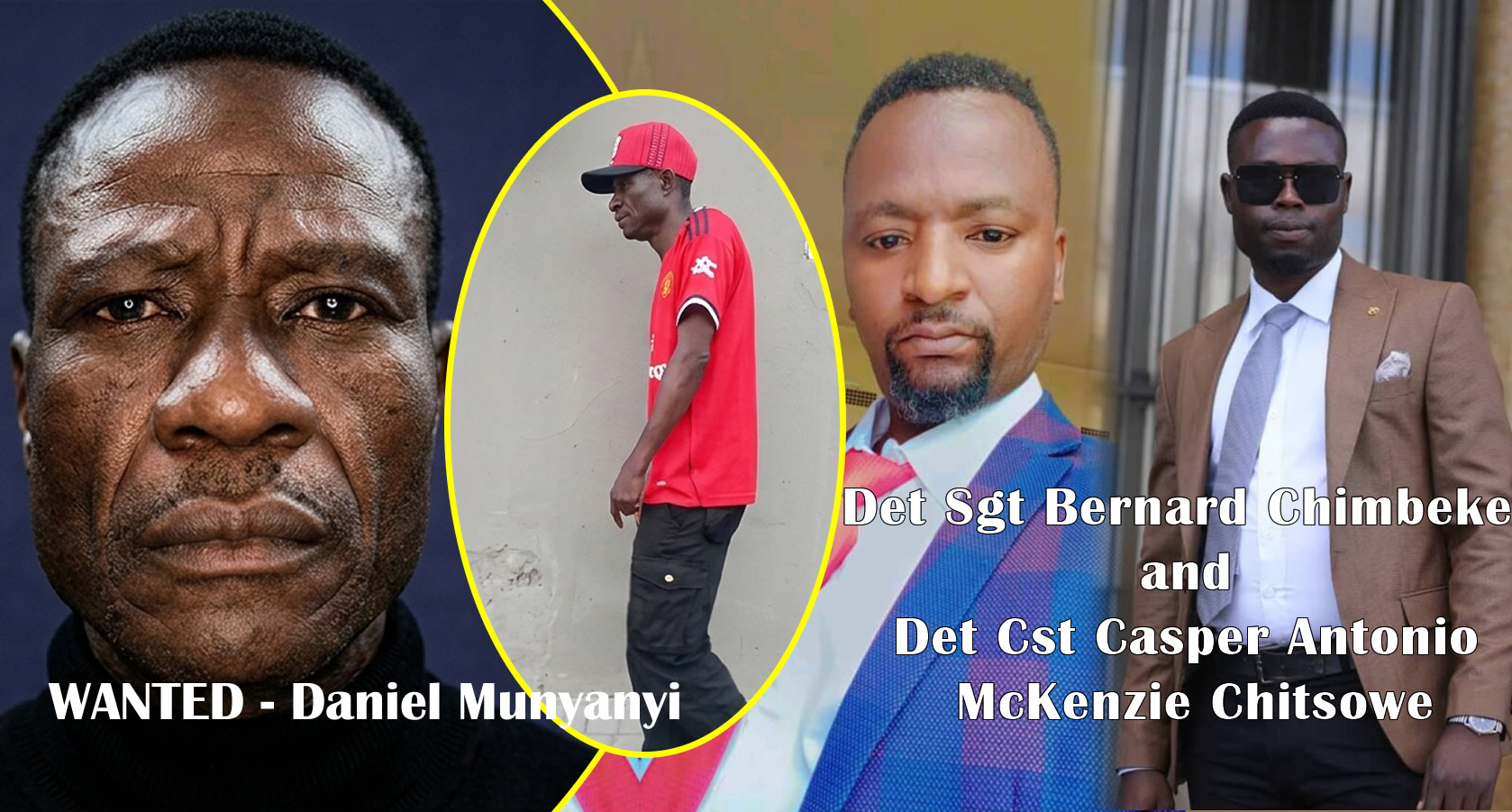
ZAKA – The pre-dawn stillness of Ndume Village, nestled within the Chimedza area under Chief Ndanga in Masvingo Province, was violently disrupted on Sunday, March 1, 2026. What began as a high-stakes operation to apprehend a notorious armed robber culminated in a tragic ambush, leaving two of Zimbabwe’s most dedicated homicide detectives dead and three of their colleagues severely wounded. This devastating incident has not only plunged the nation into mourning but has also ripped open a festering wound of suspicion, exposing a potential security breach that may have fatally compromised the police operation from within.
At approximately 5:00 AM, a specialised unit of five detectives from the Criminal Investigations Department (CID) Homicide Division, based in Harare, descended upon Ndume Village. Their target: Daniel Munyanyi, a 50-year-old fugitive wanted in connection with a string of violent armed robberies across Harare and Masvingo provinces. The team’s objective was clear – to bring Munyanyi to justice. In the initial stages of the raid, the detectives successfully apprehended one of Munyanyi’s alleged accomplices, who is now reportedly held at Zaka Police Station. However, the situation took a catastrophic turn when the team attempted to corner Munyanyi himself.
According to detailed accounts from sources close to the investigation, as the detectives closed in on Munyanyi’s rural homestead, he unleashed a sudden and brutal fusillade of gunfire. The element of surprise, coupled with the sheer ferocity of the attack, proved fatal. Detective Sergeant Bernard Chimbeke, aged 37 or 38, was struck down and died instantly at the scene. His colleague, Detective Constable Casper Antonio McKenzie Chitsowe, aged 42 or 43, sustained critical gunshot wounds. He was rushed to Ndanga Referral Hospital but succumbed to his injuries en route to Masvingo Provincial Hospital, where he was being transferred for more advanced medical care.
The human cost of this ambush extends beyond the two fallen heroes. Three other detectives, whose names have not yet been publicly released, were also caught in Munyanyi’s deadly assault. One officer suffered a gunshot wound to the thigh, another was shot in both legs, and a third sustained such grievous injuries that medical professionals were tragically forced to amputate one of his legs.
These officers now face a long and arduous road to recovery, their lives irrevocably altered by the events of that fateful morning. Daniel Munyanyi, the architect of this bloodshed, remains at large, prompting the Zimbabwe Republic Police (ZRP) to launch an intensive nationwide manhunt, circulating his photographs and appealing to the public for assistance. He is considered armed and extremely dangerous, and citizens have been warned not to approach him directly but to contact law enforcement immediately.
This incident has ignited a firestorm of questions, not least among them: how could a lone armed robber, even a dangerous one, inflict such devastating casualties on a team of five highly trained homicide detectives? The official narrative of a routine tracking operation gone wrong is being met with increasing scepticism. Whispers of a “leak theory” have grown louder, suggesting that the detectives were not merely outmanoeuvred but were deliberately set up, their movements and operational details compromised by elements within their own ranks or closely associated with the criminal underworld. This theory gains chilling credibility when juxtaposed against a disturbing pattern of “insider jobs” that have plagued Zimbabwe’s security landscape in recent years.
Zimbabwe has witnessed a worrying surge in high-profile armed robberies, many of which exhibit a level of sophistication and inside knowledge that points to complicity from within. A stark example is the US$4 million cash-in-transit heist that targeted an Ecobank vehicle in Bulawayo in October 2024. The Zimbabwe Republic Police themselves later confirmed that this audacious robbery was an inside job, implicating bank employees and security personnel who colluded with the armed robbers.
Such incidents erode public trust and foster an environment where criminals appear to possess superior intelligence and, at times, even better equipment than the police force tasked with stopping them. The Zaka shooting, with its disproportionate casualties and the suspect’s apparent preparedness, fits this unsettling pattern, fuelling fears that a security breach, whether intentional or through gross negligence, played a pivotal role in the detectives’ demise.
The Zaka tragedy has also cast a harsh spotlight on the critical deficiencies within the ZRP’s equipment and tactical readiness. It is an open secret that many officers are routinely dispatched into high-risk situations without fundamental protective gear, such as bulletproof vests. Their operational vehicles are often old, poorly maintained, and prone to mechanical failure, while their weaponry is frequently outdated. This chronic under-resourcing leaves officers dangerously vulnerable in confrontations with increasingly well-armed and ruthless criminals.
These are not isolated anomalies but symptomatic of a broader systemic decay, exacerbated by the rampant looting of public funds that starves essential public services, including law enforcement, of the resources they desperately need. The lack of proper equipment and training directly contributes to the vulnerability of officers, turning routine operations into potential death traps.
This deep-seated corruption creates a perilous feedback loop. It not only leaves dedicated and honest officers like Detective Sergeant Chimbeke and Detective Constable Chitsowe dangerously exposed but also cultivates an environment where sophisticated criminal networks, often with insidious connections to state-embedded actors, can thrive with impunity. The Global Initiative Against Transnational Organized Crime has highlighted that in Zimbabwe, “Organized criminal networks, often with links to state-embedded actors, drive the trafficking market”.
This intricate web of corruption undermines public safety from its very foundations, making the streets increasingly perilous for both citizens and the police sworn to protect them. The apparent ease with which Munyanyi ambushed the detectives suggests a level of operational intelligence that could only come from a compromised system, further reinforcing the belief that the security breach was a critical factor in the tragic outcome.
In the immediate aftermath of the Zaka tragedy, Police Commissioner-General Stephen Mutamba extended his “deepest condolences to the families of Detective Sergeant Chimbeke and Detective Constable Chitsowe following this tragic and unfortunate incident”. However, for the grieving families and a nation grappling with the implications of such a brazen attack, mere condolences are insufficient.
The murders of these two brave officers demand more than just a pursuit of Daniel Munyanyi; they necessitate a comprehensive, transparent, and unflinching investigation into the very heart of the Zimbabwe Republic Police. This inquiry must delve into the alleged security breaches, the systemic corruption, and the critical equipment shortages that contributed to this devastating loss. It must seek to identify and dismantle any networks of complicity that allow criminals to operate with such deadly effectiveness against law enforcement.
This incident transcends the individual tragedy of two fallen officers; it serves as a stark and urgent warning about the precarious state of national security. It lays bare the hidden connections between organised crime and elements within the state, a complex and corrosive web of corruption that erodes public trust and leaves the nation vulnerable to internal threats.
The ultimate sacrifice made by Detective Sergeant Bernard Chimbeke and Detective Constable Casper Antonio McKenzie Chitsowe must not be in vain. Their deaths must serve as an undeniable catalyst for profound and urgent reforms within the police force. These reforms must aim to eradicate corruption, ensure that officers are adequately equipped and trained for the dangers they face, and ultimately restore the integrity and effectiveness of law enforcement in Zimbabwe.
Without such decisive and courageous action, the bloodshed witnessed in Masvingo will likely not be the last, and the very individuals sworn to protect the nation will continue to be offered up as sacrifices on the altar of systemic greed and institutional decay.