


Tax Inspectors Without Borders: The Global Hunt for Zimbabwe’s “Missing” Billions
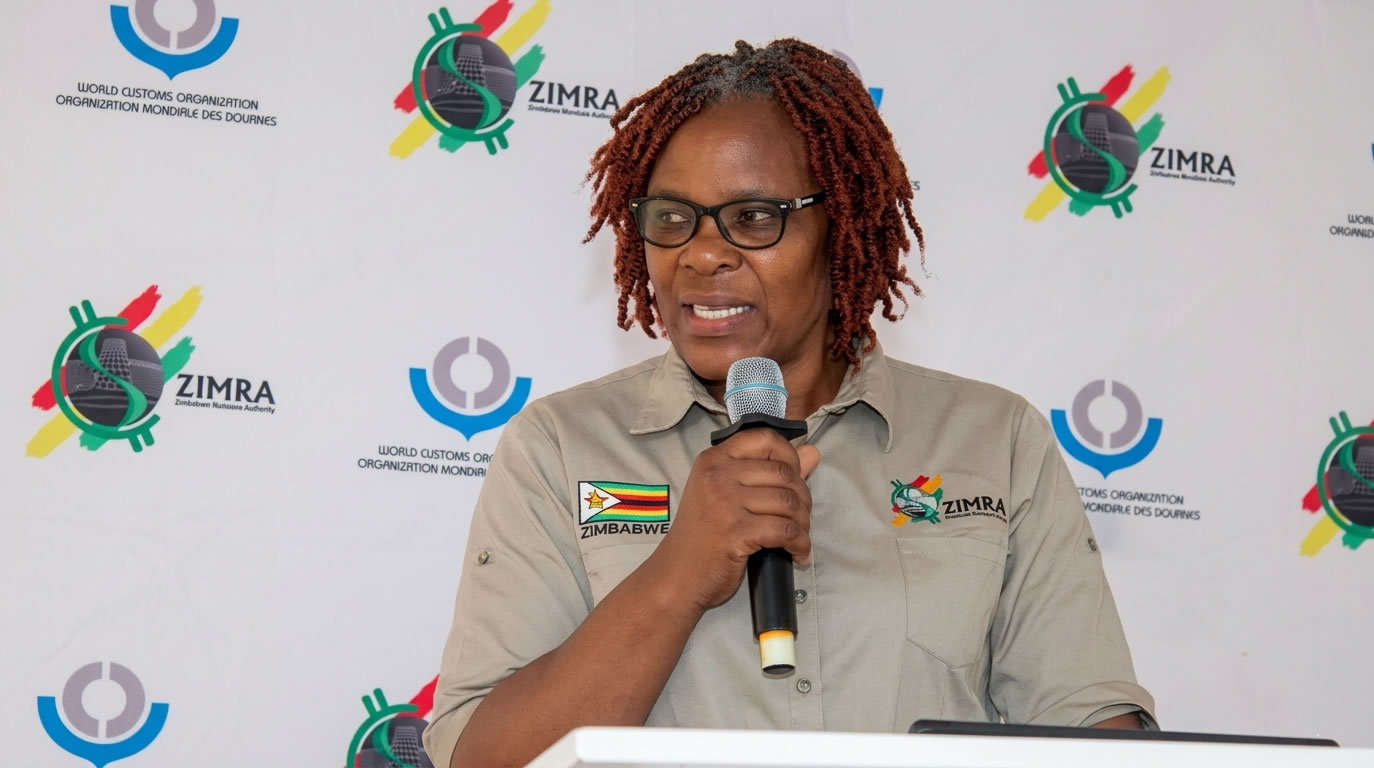
The glass towers of Dubai and the serene, palm-fringed shores of Mauritius seem a world away from the crumbling infrastructure of Harare, yet they are intimately connected by a web of shadow companies and secret bank accounts. In the heart of Zimbabwe, a high-stakes “hidden war” is being waged, not with bullets, but with balance sheets and forensic audits. The nation has officially entered the second phase of the “Tax Inspectors Without Borders” (TIWB) initiative, a global partnership between the United Nations Development Programme (UNDP), the Organisation for Economic Co-operation and Development (OECD), and local authorities including the Zimbabwe Revenue Authority (ZIMRA) and the South African Revenue Service (SARS). While the official communiqués speak of “capacity building” and “technical expertise,” the real story is a relentless global hunt for billions of dollars that have “evaporated” from the national treasury.
This investigation reveals the hidden details of how tax crimes are being committed by some of the nation’s most powerful individuals. These “politically exposed persons” (PEPs) have mastered the art of the “conspiracy,” using complex corporate structures to siphon wealth out of the country. According to recent reports from the Financial Intelligence Unit (FIU), Zimbabwe lost a staggering US$1.5 billion to recorded tax crimes between January 2019 and December 2023. This figure, equivalent to nearly 13 per cent of the nation’s known tax revenue, is merely the tip of the iceberg. Investigative bodies such as The Sentry and Open Secrets have previously exposed how millions were moved from the Reserve Bank of Zimbabwe to offshore accounts in London and Mauritius, allegedly linked to high-profile business tycoons and presidential advisors who operate with a sense of impunity.
The TIWB mission is an attempt to “crack the code” of these illicit financial flows. International experts are now working side-by-side with local investigators to unmask the sophisticated techniques used to drain the country’s resources. One of the most prevalent methods is “transfer pricing,” a practice where multinational corporations and well-connected locals undervalue exports—particularly from the lucrative mining sector—to offshore subsidiaries. By selling Zimbabwe’s gold, diamonds, and lithium at artificially low prices to shell companies they own in tax havens, these individuals ensure that the lion’s share of the profit never reaches Zimbabwean soil. The “missing billions” are not merely numbers on a spreadsheet; they represent the stolen potential of a nation.
|
Financial Leakage Indicators
|
Impact and Statistics
|
|
Annual Estimated Loss
|
US$1.5 billion to US$2 billion
|
|
Total Financial Crimes (2019-2024)
|
US$6.15 billion
|
|
Tax Crime Revenue Loss
|
12.81% of known tax revenue
|
|
Suspicious Transaction Reports
|
Dropped 12.74% (2024 to 2025)
|
|
Road Rehabilitation Budget Gap
|
US$150 million (declared “not enough”)
|
The human cost of this economic sabotage is visible in every corner of the country. The “missing billions” that should have been used to equip schools with books and hospitals with life-saving medicines are instead sitting in accounts in the Cayman Islands or being converted into luxury penthouses in Dubai. While the government struggles to fund basic services, the trail of money from Zimbabwe’s natural resources leads directly to the world’s most exclusive postcodes. Transport and Infrastructural Development Minister Felix Mhona recently conceded that the US$150 million allocated to his ministry was “not enough” to rehabilitate and maintain the nation’s roads. It is a bitter irony that the very wealth being extracted from beneath those roads is what could have fixed them.
The investigation into these “tax crimes” has uncovered a disturbing pattern of internal resistance. There is a growing “conspiracy” among certain powerful figures who are attempting to sabotage the TIWB initiative from within the very institutions meant to protect the public purse. These individuals, fearing that “financial mapping” will eventually lead investigators to their doorsteps, have reportedly tried to derail audits, influence the selection of cases, and intimidate whistleblowers. The drop in Suspicious Transaction Reports (STRs) from 10,293 in 2024 to 8,981 in 2025 has raised eyebrows among transparency advocates, who worry that the mechanisms for reporting dirty money are being quietly dismantled. This decline suggests a chilling effect on the financial sector, where professionals may be hesitant to report the activities of “politically exposed persons” for fear of retribution.
“Illicit financial flows weaken economies and reduce resources for development,” the UNDP stated during the launch of the programme’s second phase. “Through Tax Inspectors Without Borders, UNDP is supporting Zimbabwe to strengthen tax crime investigations, enhance compliance, and improve public revenue systems.” This support is critical, as ZIMRA Technical Services head Martin Chinanayi noted that the authority is targeting over 50,000 new taxpayers in 2026 to expand the revenue base. Yet, expanding the net to include small businesses and the informal sector will do little to fix the economy if the largest “whales” continue to bypass the system entirely. The focus of the TIWB experts is specifically on these high-value cases, where the potential for recovery is greatest.
The “hidden war” for economic justice is now focused on the mining sector, which remains the backbone of the Zimbabwean economy but also its greatest source of leakage. The recent suspension of raw mineral and lithium concentrate exports was a move aimed at accelerating “in-country value addition,” but it also serves as a battleground for tax compliance. Experts argue that without robust “financial mapping” and the ability to track the true beneficial owners of mining concessions, the profits will continue to “evaporate” through layers of offshore financial facades. The mining sector is particularly vulnerable because of the sheer volume of wealth involved and the complexity of global commodity markets, which can be easily manipulated to hide the true value of exports.
|
Key Jurisdictions for Offshore Wealth
|
Role in the Financial Web
|
|
Mauritius
|
Low-tax gateway for “dodgy transactions” and corporate layering.
|
|
Cayman Islands
|
Primary destination for hidden accounts and investment fronts.
|
|
Dubai
|
Hub for converting illicit proceeds into high-value real estate.
|
|
London
|
Historical centre for moving suspect funds through established banks.
|
Furthermore, the investigation has highlighted the role of “front companies” and “false invoices” in the siphoning of state funds. In many cases, money is moved out of the country under the guise of paying for non-existent services or over-priced equipment. These transactions are often facilitated by professional enablers, including lawyers and accountants, who provide the veneer of legitimacy to what are essentially criminal acts. The TIWB initiative aims to build the capacity of Zimbabwean investigators to look past these facades and identify the real purpose of these transactions. This requires a level of forensic detail that has previously been lacking in local investigations.
The second phase of the initiative comes at a time when Zimbabwe is facing intense fiscal pressure. With limited access to external financing and a growing national debt, the government is increasingly reliant on domestic resource mobilisation. However, as long as the “missing billions” continue to flow out of the country, the burden of taxation will fall disproportionately on the poor and the middle class. The “global hunt” is therefore not just about recovering money; it is about restoring a sense of fairness and “economic justice” to the tax system. If the powerful can evade their responsibilities with impunity, the social contract that binds the nation together will continue to fray.
As the TIWB experts delve deeper into the records, they are finding that the trail of money often leads to unexpected places. From the lithium mines of Mashonaland to the gold fields of Matabeleland, the story is the same: wealth is being extracted, but the benefits are being privatised by a small elite. The “financial mapping” being conducted is revealing the interconnectedness of these individuals and the way they use their political influence to protect their economic interests. This is the “hidden war” that is being fought every day in the offices of ZIMRA and the FIU.
The TIWB initiative represents a glimmer of hope in a long and arduous struggle. By bringing in international experts who have seen these “complex corporate structures” before, Zimbabwe is finally beginning to fight back with the same level of sophistication as the tax evaders. The goal is simple: to bring the nation’s stolen wealth back home. It is a high-stakes investigative tale where the prize is nothing less than the future of Zimbabwe’s children and the restoration of its economic sovereignty. The success of this mission will depend on the political will to follow the evidence wherever it leads, even if it leads to the very top of the political establishment.
As the second phase intensifies, the pressure on those who have profited from the “missing billions” is mounting. The global hunt is no longer a distant threat; it is a present reality. Whether the “economic justice” sought by the TIWB mission can overcome the internal sabotage remains to be seen, but for the first time in years, the trail of money is being followed to its ultimate destination. The “hidden details” are coming to light, and the “code” of transfer pricing is finally being cracked. For the people of Zimbabwe, the return of even a fraction of these stolen billions could mean the difference between a failing clinic and a modern hospital, or a dilapidated classroom and a centre for learning. The war is far from over, but the hunters are now on the trail, and the world is watching.
The international community’s involvement through the TIWB initiative also signals a shift in how illicit financial flows are being addressed globally. No longer can tax havens operate in total secrecy without facing pressure from international bodies. The cooperation between Zimbabwe and the South African Revenue Service (SARS) is particularly significant, as much of the wealth leaving Zimbabwe often passes through or is hidden within the financial systems of its southern neighbour. By working together, these regional and international partners are creating a tighter net that will make it increasingly difficult for tax criminals to hide their ill-gotten gains.
In conclusion, the second phase of the “Tax Inspectors Without Borders” initiative is more than just a technical programme; it is a vital component of Zimbabwe’s struggle for transparency and accountability. The “global hunt” for the “missing billions” is a testament to the resilience of those who refuse to let their nation’s wealth be stolen in silence. As the investigation continues, the stories of luxury penthouses and offshore accounts will continue to be contrasted with the reality of Zimbabwean life, providing a powerful impetus for change. The “hidden war” is being brought into the light, and for those who have profited from the nation’s loss, the time of reckoning may finally be approaching.