


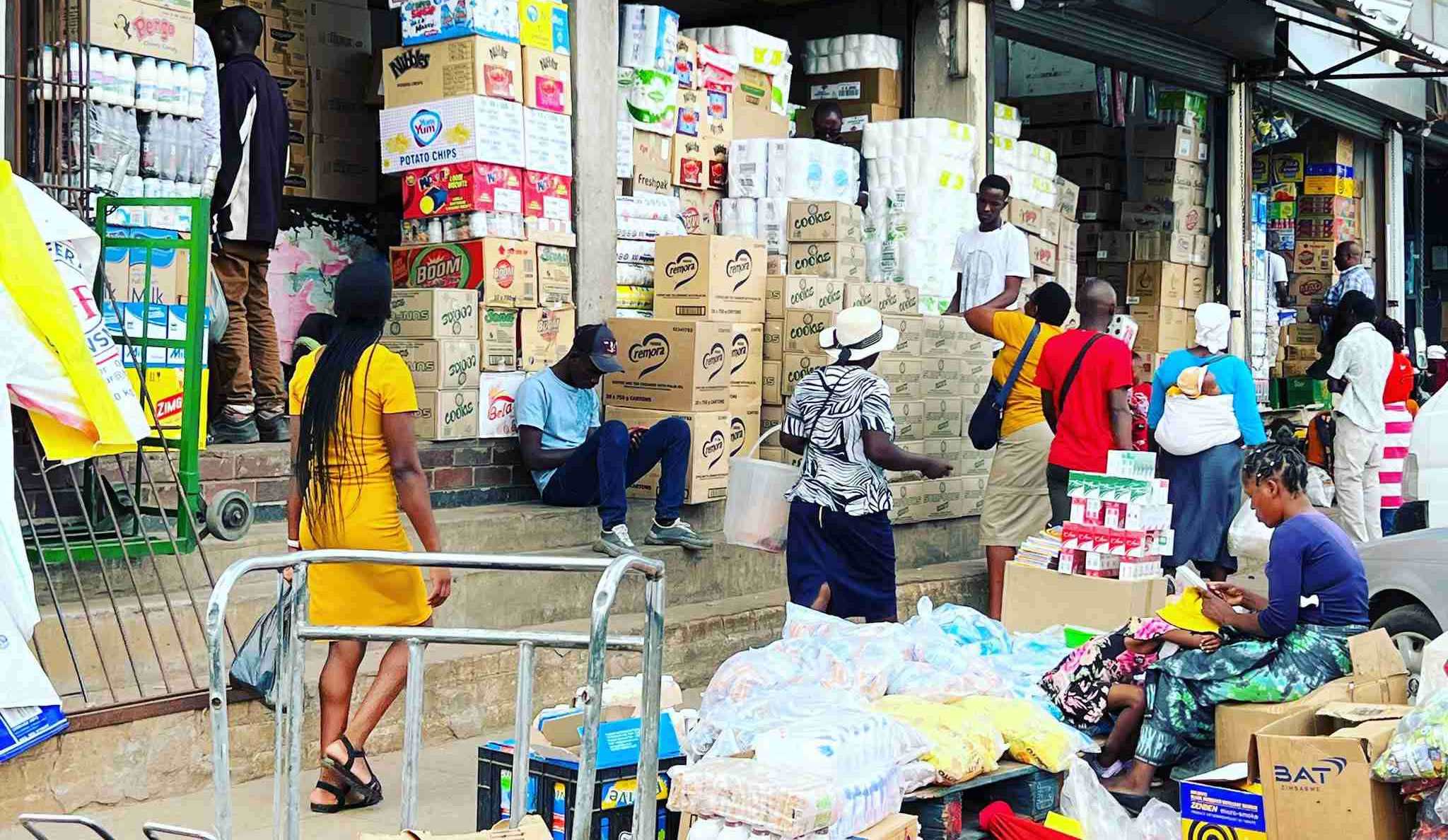
The 81-Day Roadshow: The Secret Plan to Flush Out Counterfeit Goods from Your Local Tuckshop
HARARE — It began as a whisper in the crowded corridors of the Ministry of Industry and Commerce, a standard government public relations exercise dubbed the “81-Day National Consumer & Product Integrity Roadshow.” To the casual observer, the colourful banners and high-sounding speeches at the launch on 3 March 2026 seemed like another bureaucratic attempt to look busy. However, our investigation reveals a far more aggressive reality: this is a “targeted strike” designed to dismantle a multi-million-dollar counterfeit syndicate that has effectively colonised the Zimbabwean “tuckshop economy.”
Behind the jargon of “Product Integrity” lies a chilling “war on the streets.” For months, illicit trade has flooded the streets of Harare and Bulawayo with fake medicines, expired foods, and toxic cosmetics. This is not merely a case of opportunistic street vending; it is a sophisticated operation linked to international criminal networks. These “Counterfeit Kings” have turned the Zimbabwean pantry into a silent killer, profiting from the economic desperation of citizens who can no longer afford the prices at major retail chains.
The scale of the crisis is staggering. Nearly half of the goods sampled from tuckshops, market stalls, and unregulated outlets in recent months have failed to meet basic safety standards. Inspectors have uncovered counterfeit versions of household staples that families use multiple times a day: petroleum jelly, flour, rice, and even toothpaste. In the shadows of abandoned industrial buildings and residential backyards, operators are mixing industrial chemicals with water and colouring agents, packaging the lethal concoctions as premium spirits or life-saving pharmaceuticals.
“Consuming fake alcohol can have catastrophic health consequences, with the worst-case scenario being death,” warned Dr Evelyn Sungano, a Bulawayo-based physician who has seen the human cost first-hand. Medical practitioners report a disturbing rise in patients arriving at hospitals with nausea, hallucinations, liver damage, and neurological symptoms. For many, the damage is irreversible—nerve damage, blindness, or long-term organ failure are the hidden costs of a “bargain” bottle of spirits.
The “conspiracy” we explored runs deeper than the back alleys of Mbare or Makokoba. Our investigation uncovered the involvement of high-ranking customs officials who allegedly “look the other way” as truckloads of fake goods cross the border. At the Beitbridge border post, the gateway for Southern African trade, bribes are reportedly the lubricant that allows illicit cargo to bypass inspection. These syndicates have even developed a sophisticated “digital footprint,” using encrypted messaging apps like WhatsApp and Telegram to coordinate their distribution networks, ensuring that by the time authorities raid one location, the “Counterfeit Kings” have already moved their stock.
|
Key Figures and Organisations
|
Role in the Roadshow
|
|
Confederation of Zimbabwe Retailers (CZR)
|
Lead partner in the 81-day campaign against counterfeits.
|
|
Proma Events Africa
|
Co-organiser of the nationwide awareness and integrity roadshow.
|
|
Denford Mutashu
|
President of CZR, leading the economic fight against illicit trade.
|
|
Rajeshkumar Modi
|
Industry and Commerce Deputy Minister, overseeing product integrity.
|
|
Commissioner Paul Nyathi
|
ZRP National Spokesperson, coordinating the crackdown on smuggling.
|
The launch of the roadshow in Harare saw Industry and Commerce Deputy Minister Rajeshkumar Modi deliver a stern warning. “Industrial growth is not simply about producing more goods,” he stated. “It is about ensuring that every product reaching our market meets standards of quality, safety, authenticity, and fairness. Without integrity, industrialisation loses its foundation.” His words reflect a growing realisation within the government that the counterfeit trade is no longer a small criminal enterprise but a national economic threat.
The economic impact is indeed severe. Counterfeit goods undermine legitimate manufacturers by undercutting their products with cheap, dangerous imitations. This illicit trade deprives the Zimbabwean government of millions of dollars in lost tax revenue every year, money that is desperately needed for public services. Furthermore, it discourages compliant manufacturers who find it impossible to compete with syndicates that pay no taxes and follow no safety regulations.
“When this chain is disrupted, the national economy is weakened,” said Denford Mutashu, President of the Confederation of Zimbabwe Retailers. He noted that while more than 85 per cent of goods sold in major retail outlets are now produced locally, these gains could be easily reversed if the “tuckshop economy” continues to be dominated by illicit trade. The 81-day campaign, which will culminate in a National Consumer and Product Integrity Summit on 1 July 2026, is seen as a final stand to reclaim the market.
Victims of this silent trade tell harrowing stories. In downtown Harare, we met “Grace” (not her real name), a mother of three who bought what she thought was a well-known brand of infant cough syrup from a local tuckshop. Within hours, her youngest child was struggling to breathe. “I thought I was saving money, but I almost lost my son,” she told us, her voice trembling. “The bottle looked exactly like the one from the pharmacy, but the liquid inside was different. It smelled like chemicals.”
The Zimbabwe Republic Police (ZRP) have intensified their operations to combat this smuggling. Commissioner Paul Nyathi confirmed that law enforcement agents have intercepted several truckloads of illicit goods in recent weeks. “The Zimbabwe Republic Police has intensified operations to combat the smuggling of goods, particularly alcohol and drugs, which poses serious risks to public health and safety,” he said. He warned that counterfeit alcohol is often manufactured under unsanitary conditions using dangerous chemicals that were never intended for human consumption.
|
Common Counterfeit Products
|
Known Health Risks
|
|
Fake Spirits/Alcohol
|
Methanol poisoning, blindness, organ failure, death.
|
|
Counterfeit Medicines
|
Treatment failure, toxicity, antimicrobial resistance.
|
|
Toxic Cosmetics
|
Skin burns, allergic reactions, heavy metal poisoning.
|
|
Substandard Food (Rice, Flour)
|
Contamination, foodborne illnesses, malnutrition.
|
The “digital footprint” of these syndicates reveals a high level of organisation. By analyzing the communication patterns of known distributors, investigators have found that they operate much like legitimate logistics companies, using real-time tracking and encrypted updates to avoid police checkpoints. This technological edge has made them elusive, but the 81-day roadshow aims to counter this by turning the public into the ultimate surveillance network.
As the roadshow moves across the country, from the border towns to the capital, the message is clear: the era of “looking the other way” is over. The government and the CZR are urging consumers to scrutinise packaging carefully and avoid products sold at suspiciously low prices. The rule is simple: if the price appears too good to be true, it probably is. In the current economic climate, the lure of a cheap deal is strong, but the cost of that deal might be paid in lives.
The war on the streets to reclaim the safety of the Zimbabwean consumer from the grip of the “Counterfeit Kings” is only just beginning. The 81-day roadshow is the first major offensive in a long-term battle for the soul of the Zimbabwean market. For the families who rely on their local tuckshops for their daily bread, the success of this “secret plan” is not just a matter of economics—it is a matter of survival.
The “Product Integrity” jargon may sound standard, but the reality is a desperate fight for safety. As the sun sets over the tuckshops of Harare, the “silent killer” remains on the shelves, waiting for the next unsuspecting customer. But for the first time in years, the “Counterfeit Kings” are looking over their shoulders. The roadshow is coming, and it is bringing the full weight of the law with it.
Investigative Summary: The Anatomy of a Syndicate
Our investigation has pieced together the following facts regarding the illicit trade network:
- Sourcing: Most counterfeit goods are manufactured in clandestine labs within Zimbabwe or smuggled from neighbouring countries through informal border crossings.
- Coordination: Syndicates use Telegram and WhatsApp groups to manage orders and alert distributors to police presence.
- Corruption: Customs officials at Beitbridge and other ports of entry are allegedly on the payroll of major syndicate leaders.
- Distribution: The “tuckshop economy” is the primary outlet, where low-income consumers are targeted with “budget” versions of premium brands.
- Impact: Beyond the immediate health risks, the trade fuels broader criminal activities, including money laundering and drug trafficking.
The 81-day countdown has begun. The question remains: will it be enough to flush out the rot, or have the “Counterfeit Kings” already become too powerful to topple?