


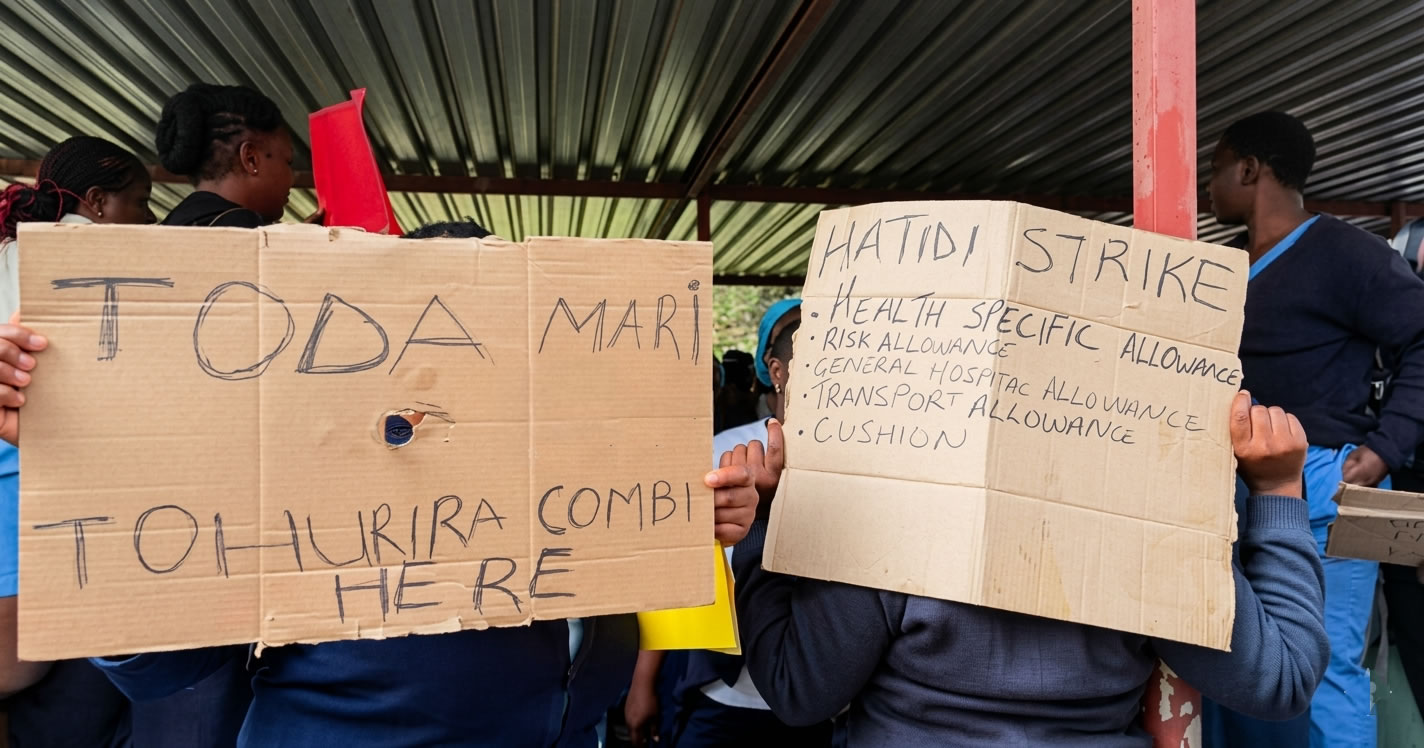
Harare – Zimbabwe’s healthcare system is teetering on the brink of collapse, and the nation’s nurses are preparing to take drastic action. The Zimbabwe Nurses Association (ZINA) has announced a nationwide strike set to begin in April, a move that threatens to cripple already strained medical services. But this isn’t simply a dispute over salaries; it’s a desperate cry for help in the face of what nurses describe as “deteriorating conditions” that have transformed hospitals into “death traps” for both patients and staff.
At the heart of the matter lies a stark economic reality. The government insists it is paying healthcare workers “beyond the Poverty Datum Line” (PDL), a benchmark for the minimum income required to meet basic needs. However, for many nurses, this claim rings hollow. The reality on the ground is a monthly wage equivalent to less than US$30, a pittance that barely covers the cost of transportation to work, let alone food, rent, and other essential expenses.
The situation is further complicated by allegations of corruption and mismanagement within the healthcare system. Nurses at Parirenyatwa Hospital, one of the country’s largest medical facilities, have issued “hardline demands,” alleging that vital medical supplies are being diverted, leaving them to face the consequences of systemic failures. They claim they are being unfairly blamed for shortages and inadequacies that are beyond their control.
The Zimbabwe Congress of Trade Unions (ZCTU) is throwing its weight behind the nurses’ strike, adding another layer of complexity to the situation. The ZCTU’s aggressive support suggests a broader labour movement concerned about the government’s handling of the healthcare crisis and its impact on workers’ rights.
But what are the underlying factors driving this crisis to such a critical point? Some observers suggest a darker motive: a deliberate strategy by the government to underfund the healthcare sector, forcing nurses to seek employment in the private sector or abroad. This alleged “brain drain” conspiracy would not only reduce the state’s wage bill but also alleviate the burden of future pension liabilities.
To understand the true impact of this crisis, one must look beyond the political rhetoric and examine the human cost. A “day in the life” of a striking nurse reveals the raw desperation and sacrifices these healthcare professionals are making. They are risking their livelihoods, facing potential disciplinary action, and enduring public criticism, all in the hope of securing a better future for themselves, their patients, and the nation’s healthcare system.
The situation in Zimbabwe’s hospitals is dire. A recent report by a local NGO highlighted the chronic shortages of essential medicines, equipment, and staff. Patients are often forced to purchase their own supplies, from bandages and syringes to vital medications. Overcrowding is rampant, with patients sharing beds and corridors serving as makeshift wards.
These conditions have led to a surge in preventable diseases and a decline in the quality of care. Nurses are struggling to cope with the overwhelming workload and the emotional toll of witnessing patients suffer and die due to a lack of resources. Many are experiencing burnout, stress, and depression.
The government’s response to the crisis has been largely dismissive. Instead of addressing the root causes of the problem, it has focused on superficial measures, such as conducting “hijack drills” at airports, while neglecting the urgent needs of its hospitals. This misplaced priority has further angered nurses and fuelled their determination to strike.
The April walkout is not just about money; it’s about dignity, respect, and the right to provide quality care. It’s about saving lives and restoring hope to a healthcare system on the verge of collapse. The nurses of Zimbabwe are risking everything because they believe that a healthy nation is a prosperous nation, and that healthcare is a fundamental human right that must be protected at all costs.
In a related incident earlier this year, the Harare Central Hospital faced a severe water shortage, forcing nurses to collect water from unprotected sources to maintain hygiene. This incident sparked outrage and highlighted the crumbling infrastructure of the country’s healthcare facilities. The nurses reported an increase in infections due to the lack of clean water, further straining the already burdened system.
Moreover, reports of corruption within the Ministry of Health have surfaced, with allegations of officials embezzling funds meant for procuring essential medical supplies. These allegations have eroded public trust in the government’s ability to manage the healthcare system effectively. The nurses argue that until corruption is addressed and resources are allocated transparently, the healthcare crisis will persist.
The ZINA has been vocal in its criticism of the government’s handling of the healthcare sector. The association has repeatedly called for increased funding, improved working conditions, and an end to corruption. However, their pleas have largely been ignored, leaving them with no option but to resort to strike action.
The upcoming strike has garnered support from various civil society organisations and human rights groups. These organisations have condemned the government’s neglect of the healthcare sector and have called for urgent action to address the crisis. They argue that the government has a constitutional obligation to provide quality healthcare to its citizens and that it is failing to meet this obligation.
As the April strike looms, the future of Zimbabwe’s healthcare system hangs in the balance. The nurses are prepared to fight for their rights and for the well-being of their patients. The government must listen to their concerns and take meaningful steps to address the root causes of the crisis. Failure to do so will have devastating consequences for the nation’s health and prosperity.
The strike also brings to light the issue of brain drain in Zimbabwe’s healthcare sector. Many qualified nurses and doctors have left the country in search of better opportunities abroad, exacerbating the shortage of healthcare professionals. This exodus has been attributed to low salaries, poor working conditions, and a lack of career advancement opportunities. The government needs to create a conducive environment that attracts and retains healthcare professionals to reverse the brain drain and strengthen the healthcare system.
In addition to the economic and systemic challenges, Zimbabwe’s healthcare system is also grappling with the impact of climate change. Extreme weather events, such as droughts and floods, have disrupted food production and increased the risk of waterborne diseases. These challenges have further strained the healthcare system and increased the demand for medical services.
The nurses are calling for a comprehensive approach to addressing the healthcare crisis, one that takes into account the economic, social, and environmental factors that are impacting the health of the nation. They are urging the government to invest in preventive healthcare, promote healthy lifestyles, and address the underlying determinants of health.
The April walkout is a watershed moment for Zimbabwe’s healthcare system. It is a test of the government’s commitment to providing quality healthcare to its citizens. The nurses are standing on the front lines, fighting for a better future for themselves, their patients, and the nation. Their courage and determination deserve recognition and support. The world is watching, and the future of Zimbabwe’s healthcare system depends on the actions that are taken in the coming weeks.