


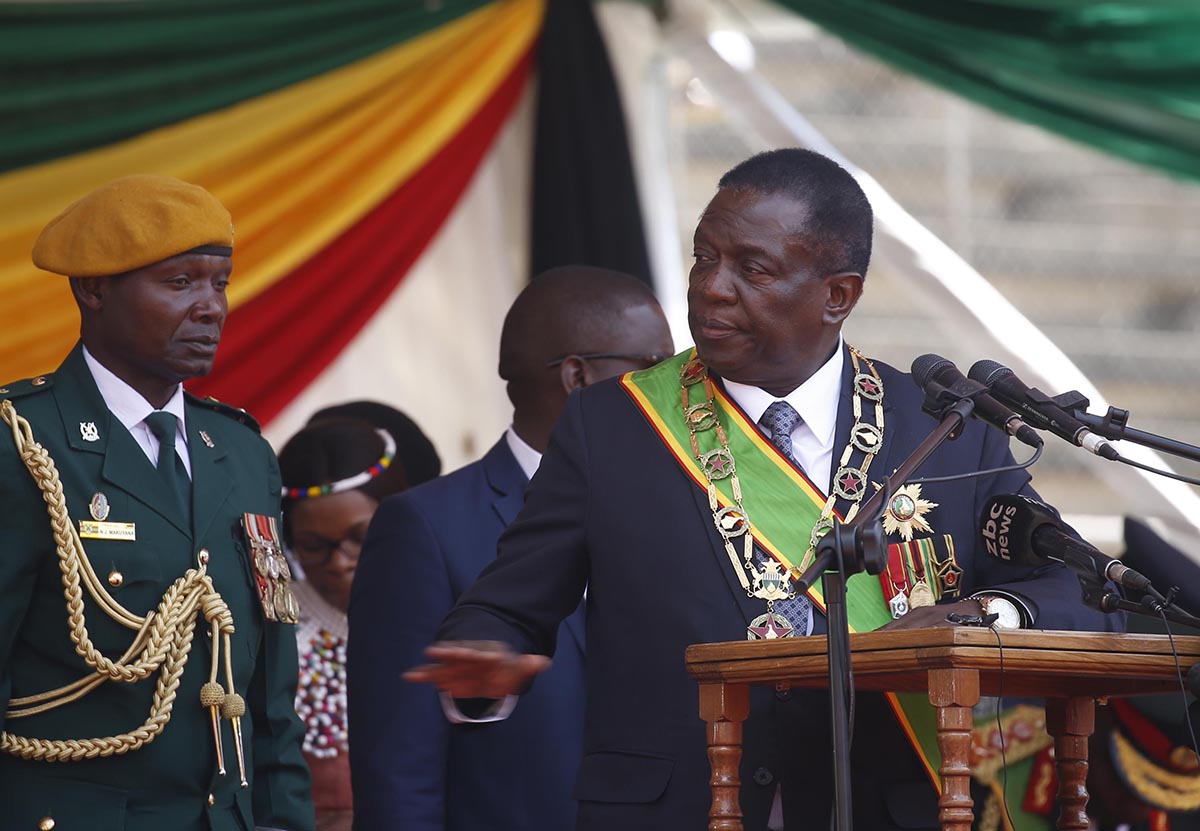
Mnangagwa’s Sudden Salary Hike Is a Calculated Panic Move to Avert a Total State Collapse
As the dawn breaks on April 1, 2026, thousands of Zimbabwean civil servants are poised to witness a “salary adjustment” reflected in their bank accounts. While the government, through its various pronouncements, endeavours to portray this as a magnanimous gesture of appreciation for the tireless efforts of its workforce, a deeper investigation reveals a far more intricate and, indeed, darker reality unfolding behind the scenes. This is not merely a planned economic upliftment designed to genuinely improve the livelihoods of civil servants; rather, it stands exposed as a desperate, last-minute “fire-fighting” measure. This urgent intervention was triggered by highly sensitive intelligence reports detailing an imminent, coordinated nationwide strike by nurses and teachers, a collective action that threatened to paralyse the country’s essential services and plunge the nation into further instability.
Internal sources within the Ministry of Finance, speaking on condition of anonymity due to the sensitive nature of the information, have indicated that the hastily conceived “adjustment” package was cobbled together in less than 72 hours. This frantic scramble followed explicit strike notices issued by the Zimbabwe Nurses Association (ZINA) and various teachers’ unions, signalling a total withdrawal of labour. The government, already grappling with the profound political fallout and public discontent stemming from the contentious “2030” constitutional controversy, simply could not afford the devastating optics of empty hospital wards and shuttered school gates. Such a scenario, it was feared, would not only exacerbate the existing political tensions but also serve as a potent symbol of state failure. Our meticulous analysis of the nominal figures presented by the government, juxtaposed against historical economic data, unequivocally demonstrates that while the new figures may appear superficially attractive, the actual purchasing power of these adjusted salaries remains significantly lower than the baseline established in 2018.
Furthermore, this investigation delves into the opaque and often controversial “hidden” sources from which these emergency funds are being drawn. A critical question arises: Is the Treasury surreptitiously dipping into the coffers generated by the much-debated sugar tax and the recently introduced airtime levies to finance this temporary cessation of industrial action? This article meticulously deconstructs the highly symbolic and, to many, cynical “April Fool’s” timing of the announcement. It critically questions whether this sudden salary increment represents a sustainable, long-term solution to the deep-seated economic grievances of the civil service, or if it is merely a high-stakes, calculated bribe designed to pacify a restless civil service and prevent them from aligning with an increasingly vocal and organised opposition. We have consulted with leading economic analysts who issue stark warnings: resorting to the printing of additional currency or the redirection of crucial infrastructure development funds to cover recurrent expenditure is a perilous economic strategy, a recipe for a fresh and potentially devastating wave of inflation. Such a scenario, they caution, would inevitably erode and ultimately swallow the very pay rise that is being celebrated, albeit cautiously, today.
The Precipice of Paralysis: A Nation on Edge
The threat of a nationwide strike by nurses and teachers was not an isolated incident but the culmination of prolonged discontent. The Zimbabwe Nurses Association (ZINA) formally issued its strike notice on March 26, 2026, stipulating a full withdrawal of labour from April 15 to April 17, 2026. This action was explicitly driven by what the association described as “crippling poverty wages, unfair salary deductions, and the urgent need for improved working conditions.” The teachers’ unions, equally frustrated by years of stagnant wages and deteriorating conditions, were poised to join this coordinated industrial action, threatening to bring the country’s essential health and education sectors to a complete standstill. The government’s swift, almost panicked, response underscores the severity of the intelligence reports it received, highlighting the genuine fear of a total state collapse should these critical services cease to function.
The “2030” Constitutional Conundrum: A Backdrop of Political Turmoil
The timing of this salary adjustment is particularly salient when viewed against the backdrop of the highly charged “2030” constitutional controversy. President Emmerson Mnangagwa’s perceived bid for an unconstitutional third term, facilitated by proposed amendments to the constitution, has ignited widespread public outrage and political instability. Human rights organisations, including Human Rights Watch, have documented instances of “violence and intimidation against opponents of presidential term extension,” with reports emerging as early as March 10, 2026. Under the existing constitutional framework, President Mnangagwa is mandated to step down in 2028 after serving two five-year terms. However, a contentious Constitutional Amendment Bill No. 3, widely referred to as the “ZIM ‘2030 BILL’,” is anticipated to be gazetted shortly, aiming to extend his tenure. This political maelstrom has created a fertile ground for dissent, and the government’s desperate move to appease civil servants can be interpreted as an attempt to neutralise a potentially powerful bloc of opposition during a period of acute political vulnerability.
The Illusion of Prosperity: Unpacking the Salary Figures
The government’s announcement proudly declares a new remuneration framework for civil servants, effective April 1, 2026, which includes an average of US$320 in hard currency, with the remaining portion of their salaries paid in ZiG and indexed to the prevailing exchange rate. While this figure might seem like a substantial improvement on paper, a historical perspective reveals a sobering truth. Before October 2018, the average civil servant salary stood at approximately US$540. This earlier figure afforded workers significantly greater purchasing power, a stark contrast to the current economic realities. Despite official claims of single-digit inflation, recorded at 4.1% in January 2026 – the first time since the late 1980s – the reliability of these figures has been vehemently contested by independent economic analysts and news outlets such as NewsHawksLive. They point to a history of opaque economic reporting and persistent high inflation that continues to erode the real value of wages. The current “adjustment,” therefore, represents a nominal increase that fails to restore the purchasing power lost over years of economic instability and hyperinflation.
The Fiscal Tightrope: Questionable Funding Mechanisms
The question of how these sudden salary increments are being financed remains a critical point of contention. Speculation is rife that the Treasury is drawing upon revenues generated from the controversial sugar tax and airtime levies. Veritaszim.net, in its Bill Watch 6-2026, highlighted the amounts of airtime levy and sugar tax collected in 2024 and 2025, alongside discussions on adjusting the interbank policy rate to combat inflation. The sugar tax, initially set at US$0.002 per gramme of sugar, was later reduced to US$0.001 in February 2024 following objections from the beverage industry. Despite this reduction, reports from Equityaxis.net in February 2026 indicated that sugar tax remittances had already exceeded US$30 million by early 2026. Furthermore, the combined airtime and sugar tax revenues were projected to provide a US$191 million boost, contributing to Zimbabwe’s ambitious 2026 revenue target of approximately US$9.4 billion. While these taxes were ostensibly introduced to fund health initiatives, concerns have been raised by Healthtimes.co.zw regarding the lack of safeguards around these funds, making them susceptible to redirection for other purposes. The diversion of funds intended for public health or infrastructure to cover recurrent expenditure, such as salaries, is a fiscally unsustainable practice that merely postpones a more profound economic reckoning.
A Recipe for Renewed Inflation: Expert Warnings
Economic analysts are unanimous in their apprehension regarding the long-term implications of this emergency salary hike. They warn that such reactive measures, particularly if financed through unconventional means like printing money or reallocating capital expenditure funds, are a direct pathway to a fresh wave of inflationary pressures. The delicate balance of the Zimbabwean economy, which has only recently reported a dip to single-digit inflation (albeit contested), is highly vulnerable to such interventions. The cycle of nominal wage increases being rapidly outstripped by soaring prices is a familiar and painful one for Zimbabwean citizens. This “April Fool’s” gift, therefore, carries the inherent risk of becoming a cruel joke, with any perceived gains quickly evaporating as the cost of living continues its relentless ascent. The government’s strategy, rather than fostering genuine economic stability, appears to be a short-term political manoeuvre, sacrificing long-term fiscal health for immediate appeasement.
Conclusion: A Fragile Peace
The sudden salary adjustment for Zimbabwean civil servants, effective April 1, 2026, is far from a benevolent act of economic foresight. It is, by all accounts, a desperate and calculated panic move by President Mnangagwa’s administration to avert a total state collapse, triggered by the imminent threat of a nationwide strike by nurses and teachers. This move is inextricably linked to the ongoing political instability surrounding the “2030” constitutional controversy, serving as a tactical measure to quell dissent. While the nominal figures offer a semblance of improvement, the harsh reality is that the purchasing power remains significantly diminished compared to 2018 levels. The opaque funding mechanisms, potentially involving the redirection of sugar tax and airtime levy revenues, raise serious questions about fiscal sustainability. Economic experts caution that this reactive approach risks igniting a new wave of inflation, ultimately negating any benefits of the pay rise. The peace achieved through this “April Fool’s” gift is, at best, fragile and temporary, underscoring the deep-seated economic and political challenges that continue to plague Zimbabwe.