


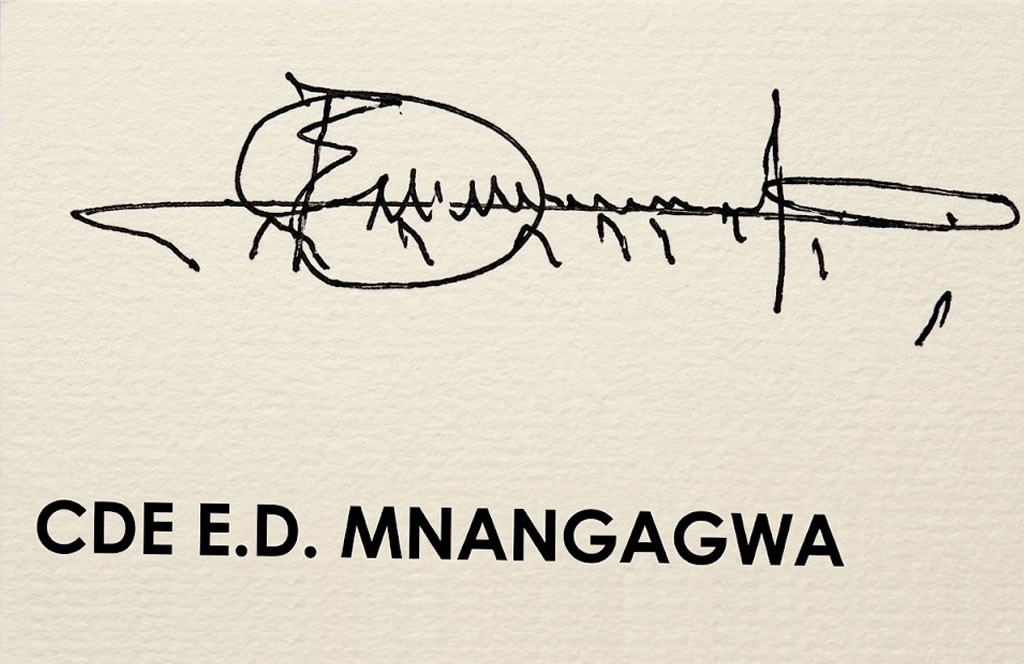
The President’s Pen: How a Top Executive Allegedly Orchestrated a US$663,000 Forgery Heist
In the shadowy corridors of power and high finance, the line between legitimate business and brazen criminality often blurs. The latest scandal to grip Zimbabwe’s corporate sector is a stark reminder of this reality. Joseph Kanyekanye, a prominent business executive and former president of the Confederation of Zimbabwe Industries (CZI), finds himself at the centre of a massive fraud investigation. The allegations are as audacious as they are severe: forging the signature of President Emmerson Mnangagwa – Zimbabwe’s most protected person – to unlawfully extract more than US$600,000 from a local company and government-linked funds.
This case is not merely an isolated incident of corporate malfeasance. It is a window into a systemic issue where the names of high-ranking political figures are weaponised to facilitate grand-scale theft. As investigators peel back the layers of this intricate scheme, the details reveal a calculated operation designed to exploit fear, authority, and the bureaucratic machinery of the state.
The Anatomy of the Alleged Heist
The core of the state’s case against Kanyekanye, who currently serves as the executive chairman of Alliance Holdings, revolves around a meticulously planned extortion plot. According to prosecutors, the scheme unfolded over a tense four-day period between April 14 and April 17, 2026. The target was Pharmaceutical and Chemical Distributors (PCD), a local firm that found itself caught in a web of political name-dropping and financial coercion.
Investigators allege that Kanyekanye, acting in collaboration with unnamed accomplices, exerted immense pressure on PCD to release funds that were not owed to him. The mechanism of this pressure was a document bearing what appeared to be the signature of President Mnangagwa. This document, purportedly containing payment instructions, was submitted to the Ministry of Finance permanent secretary, George Guvamatanga, requesting the release of Treasury Bills.
The audacity of the alleged crime lies in the narrative constructed to justify the demand. Prosecutors claim that Kanyekanye falsely stated that the money had been approved by senior ZANU-PF officials. The stated purpose of these funds was for Independence Day preparations in Maphisa, Matabeleland South. By invoking the ruling party and a national celebration, the perpetrators allegedly sought to create an aura of unassailable legitimacy.
However, the persuasion was not merely ideological; it was backed by threats. The state alleges that Kanyekanye warned the complainant of “unspecified consequences” should they refuse to release the funds. This tactic was designed to create a profound fear of financial and reputational harm, leaving the victims feeling cornered and compelled to comply. The coercion ultimately proved successful, resulting in the transfer of approximately US$663,480.75.
A Fall from Grace
The arrest of Joseph Kanyekanye marks a dramatic fall from grace for a man who once stood at the pinnacle of Zimbabwe’s industrial sector. His career history is decorated with high-profile leadership roles. For 14 years, he served as the chief executive officer of Allied Timbers Zimbabwe, a major state-owned enterprise. His tenure there, however, was not without controversy. In 2019, Allied Timbers sought to recover US$10 million from him, alleging unlawful financial practices during his time at the helm.
Beyond his role at Allied Timbers, Kanyekanye’s influence extended across the business landscape. His presidency at the Confederation of Zimbabwe Industries (CZI) positioned him as a key voice in economic policy and corporate governance. Today, as the executive chairman of Alliance Holdings, his portfolio includes interests in mining and industrial manufacturing.
The contrast between his public persona as a respected business leader and the current allegations of fraud, extortion, and money laundering is stark. When Kanyekanye appeared before Harare regional magistrate Musaiona Shotgame, the gravity of the situation was palpable. The magistrate remanded him in custody pending a bail hearing, signalling the serious nature of the charges and the potential flight risk associated with such high-stakes financial crimes.
A Pattern of Political Name-Dropping
To fully understand the implications of the Kanyekanye case, it must be viewed within the broader context of financial crime in Zimbabwe. The tactic of using the names or forged signatures of top government officials to secure lucrative deals or extort funds is a recurring theme in the country’s recent history.
The Zimbabwe Anti-Corruption Commission (ZACC) has been grappling with a surge in such cases. While the commission recently reported a 74% conviction rate and the recovery of over US$30 million in assets, the sheer volume of fraud—accounting for 62% of cases referred to the National Prosecuting Authority—highlights the scale of the problem.
One need only look at the recent conviction of businessmen Mike Chimombe and Moses Mpofu to see the parallels. In December 2025, the pair was convicted of fraud after misappropriating US$7 million intended for the Presidential Goat Scheme. Similar to the allegations against Kanyekanye, Chimombe and Mpofu exploited a government initiative, using a non-existent company to secure a massive tender. The exploitation of state programmes for personal enrichment remains a persistent vulnerability in the system.
Furthermore, the arrest of Singaporean businessman Yong Khong Yoong Mark in March 2026 on charges of fraud and money laundering related to a multimillion-dollar gold scheme underscores that these illicit networks often have international dimensions. The allure of Zimbabwe’s resources, combined with systemic loopholes, attracts a diverse cast of opportunistic actors.
The Mechanics of Forgery and State Vulnerability
The allegation that a document with a forged presidential signature could reach the desk of the Ministry of Finance permanent secretary raises critical questions about the security protocols within government institutions. How does a fabricated document bypass the necessary verification checks?
In many instances, the success of such frauds relies on the culture of deference to authority. When a directive appears to come from the highest office in the land, bureaucratic scrutiny is often bypassed in favour of swift compliance. Perpetrators exploit this dynamic, knowing that lower-level officials may be hesitant to question a document bearing the President’s seal.
The involvement of the Ministry of Finance in this case is particularly concerning. As the custodian of the nation’s treasury, the ministry is a prime target for sophisticated financial criminals. The request for the release of Treasury Bills indicates a deep understanding of government financial instruments and how they can be manipulated for illicit gain.
The Road Ahead for Justice
As the investigation into Joseph Kanyekanye continues, the public and the business community will be watching closely. The case presents a crucial test for Zimbabwe’s judicial system and its commitment to rooting out high-level corruption.
The prosecution will need to present irrefutable evidence linking Kanyekanye to the forged documents and the subsequent financial transfers. The digital trail of the US$663,480.75, the communications with Pharmaceutical and Chemical Distributors, and the testimonies of the unnamed accomplices will be pivotal in building a solid case.