


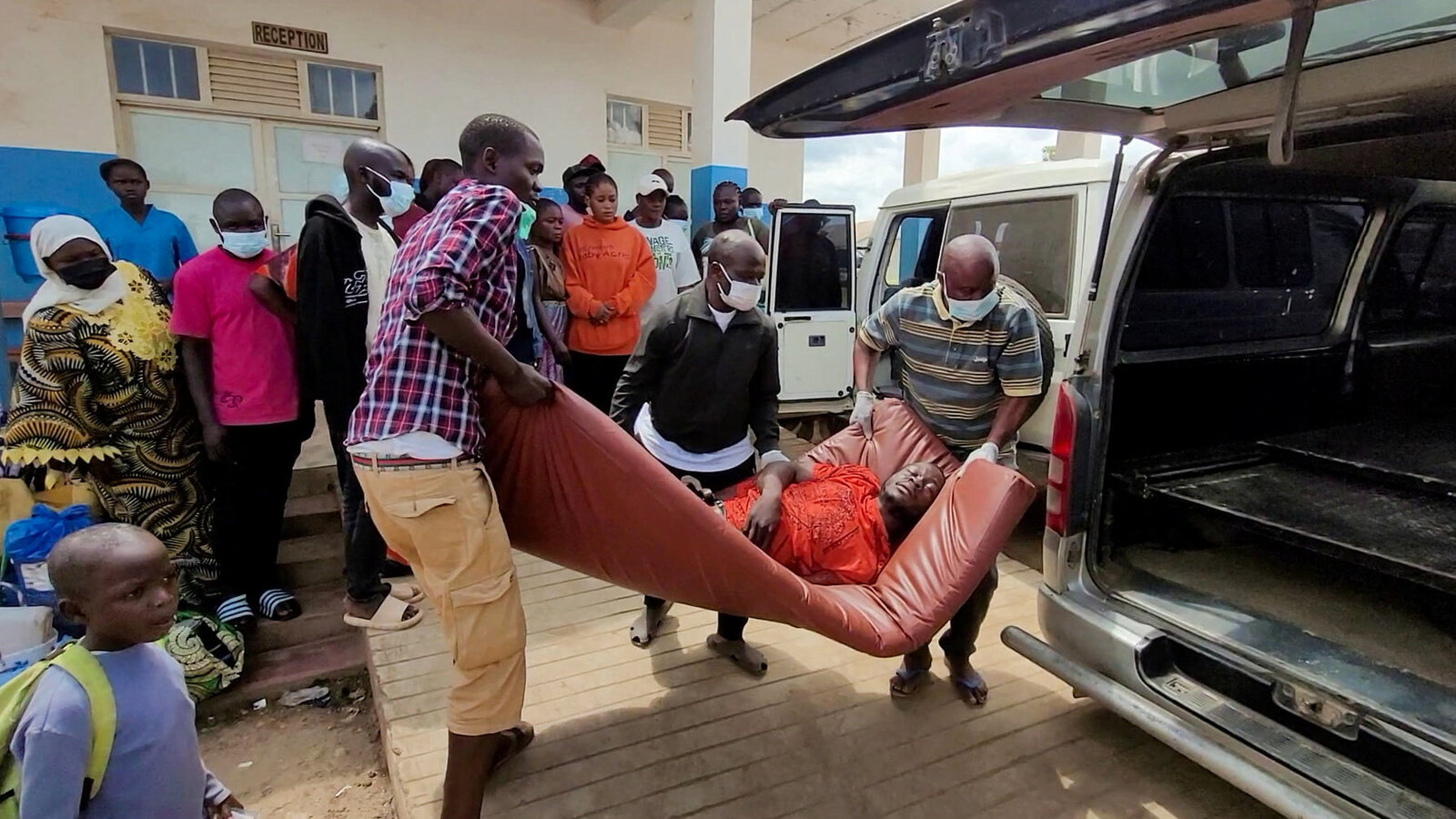
BUNIA, Democratic Republic of Congo – A deadly resurgence of the Ebola virus in the eastern Democratic Republic of Congo (DRC) has claimed the lives of 131 individuals, prompting the World Health Organisation (WHO) to voice profound concern and declare the situation a Public Health Emergency of International Concern. The outbreak, which has also seen two confirmed cases spill over into neighbouring Uganda, is unfolding in a region already grappling with widespread armed conflict and a fragile healthcare system.
The Alarming Numbers and a Rare Strain
As of Tuesday, 19 May 2026, Congolese health authorities reported a grim tally: 131 fatalities, 543 suspected cases, and 33 confirmed cases within the DRC. The first two confirmed cases in Butembo, a city home to hundreds of thousands, were only recorded on Monday, indicating the virus’s insidious spread through densely populated areas. This particular outbreak is caused by the rare Bundibugyo strain of the virus, which alarmingly, lacks approved virus-specific therapeutics or vaccines, unlike its more common Zaire counterpart.
WHO Director-General Tedros Adhanom Ghebreyesus, in an unprecedented move, declared the outbreak a public health emergency on Saturday, 16 May 2026, even before convening an emergency committee. Addressing members of the World Health Assembly in Geneva, Tedros stated, “I’m deeply concerned about the scale and speed of the epidemic”. This declaration underscores the gravity of the situation and the potential for wider regional and international spread.
A Region Under Siege: Conflict and Collapsing Healthcare
The current outbreak is not merely a medical crisis; it is deeply intertwined with the ongoing humanitarian catastrophe in eastern DRC. Years of armed conflict, involving groups such as the M23 rebels and local militias, have devastated the region, displacing millions and severely crippling healthcare infrastructure. Health facilities in North Kivu have been affected, with some completely destroyed and others struggling to restart, leaving 14.9 million people in dire need of assistance.
This volatile environment creates fertile ground for the virus to spread undetected. The 2018-2020 Ebola outbreak in eastern DRC, which claimed nearly 2,300 lives and stands as the second deadliest on record, serves as a stark reminder of the challenges posed by conflict zones. The constant movement of populations, coupled with a lack of trust in external health interventions due to past violence, makes contact tracing and containment efforts exceedingly difficult.
What is Ebola? Understanding the Deadly Foe
Ebola virus disease (EVD), commonly known as Ebola, is a severe, often fatal illness in humans. It is a viral haemorrhagic fever, meaning it can cause bleeding inside and outside the body. The virus is named after the Ebola River in the DRC, where one of its first recognised outbreaks occurred in 1976.
History of Ebola Strains:
There are several species of Ebola virus, each with varying degrees of lethality. The most well-known and often most deadly is the Zaire ebolavirus, responsible for the 2014-2016 West African epidemic. Other strains include Sudan ebolavirus, Taï Forest ebolavirus, and Bundibugyo ebolavirus. The Bundibugyo strain, the culprit in the current outbreak, was first identified in 2007 during an outbreak in Uganda.
How it Spreads:
Ebola is transmitted to humans from wild animals, such as fruit bats, chimpanzees, gorillas, monkeys, forest antelope, or porcupines, through contact with their blood, secretions, organs, or other bodily fluids. Once a human is infected, the virus spreads through direct contact with the blood, secretions, organs, or other bodily fluids of infected people, and from contaminated surfaces and materials. Healthcare workers are particularly at risk if proper infection control measures are not strictly followed.
Symptoms and Progression:
Symptoms of Ebola can appear anywhere from 2 to 21 days after exposure to the virus, though the average is 8 to 10 days. The initial symptoms are often sudden and include fever, severe headache, muscle pain, fatigue, and sore throat. These rapidly progress to vomiting, diarrhoea, rash, impaired kidney and liver function, and in some cases, both internal and external bleeding.
Fatality Rates and Timeline to Death:
The average fatality rate for Ebola is around 50%, but this can vary significantly depending on the virus species, the quality of healthcare, and the specific outbreak. The Zaire strain, for instance, has a case-fatality rate between 60% and 90%. The Bundibugyo strain, currently circulating, has a fatality rate of approximately 30% to 50% based on past outbreaks. Without treatment, patients typically succumb to the disease within 6 to 16 days after the onset of symptoms.
Treatment and the Fight for Survival
While Ebola is a terrifying disease, survival is possible, especially with early and aggressive supportive care. The cornerstone of Ebola treatment involves providing supportive care, which focuses on alleviating symptoms and helping the patient’s body fight the infection. This includes:
- Intravenous fluids and oral rehydration: To prevent dehydration caused by vomiting and diarrhoea.
- Balancing electrolytes: Replacing lost salts and minerals crucial for bodily functions.
- Maintaining oxygen status and blood pressure: Essential for organ function.
- Treating other infections: Addressing any co-existing bacterial or parasitic infections.
- Pain management: Alleviating severe headaches and muscle pain.
For the Zaire strain of Ebola, two monoclonal antibody treatments, Inmazeb™ and Ebanga™, have been approved and have significantly improved survival rates. However, a critical challenge in the current Bundibugyo outbreak is the absence of approved virus-specific therapeutics or vaccines for this particular strain. A panel of experts led by the WHO is currently discussing vaccine options, with Merck & Co’s Ervebo, effective against the Zaire strain, being considered, though it would take two months to be available. The U.S. Centers for Disease Control and Prevention (CDC) is also working to develop a monoclonal antibody therapy as a potential treatment for Bundibugyo.
Increasing Chances of Survival:
Beyond medical interventions, several factors can increase a patient’s chances of survival:
- Early Detection and Isolation: Prompt identification of cases and isolating infected individuals prevents further spread and allows for immediate medical attention.
- Aggressive Supportive Care: As mentioned, timely and comprehensive supportive care is paramount.
- Community Engagement: Educating communities about the disease, its transmission, and the importance of seeking care can break chains of transmission.
- Safe Burial Practices: Traditional burial rituals can be a significant source of transmission. Safe and dignified burial practices are crucial.
International Response, Diagnostic Hurdles, and Political Tensions
The international response to the outbreak is complicated by several factors. Anne Ancia, WHO’s representative in DRC, highlighted the “limited diagnostic capacity” for the Bundibugyo strain, with only six tests possible per hour, significantly slowing down case identification. This diagnostic bottleneck makes it harder to get a clear picture of the outbreak’s true scale and to implement targeted interventions.
Furthermore, the outbreak comes at a time of strained international health funding. Experts suggest that delays in detecting the outbreak reveal gaps in preparedness following cutbacks by the U.S. and other major donors to global health funding. Sierra Leone’s health minister, Austin Demby, lamented, “We seemed to have wasted a pandemic because everybody has gone back to doing what they’re doing”. This sentiment is particularly poignant given that President Donald Trump formally withdrew the U.S. from the WHO in January 2026, criticising its handling of the COVID-19 pandemic. Despite this, Ancia noted that the WHO had been working “very well” with the U.S. government on the Ebola outbreak, but acknowledged that reductions in health funding had a “tremendous impact” on the organisation’s ability to counter the disease.
In response to the escalating crisis, the U.S. has mobilised an initial $13 million to support the response, with U.S. Secretary of State Marco Rubio expressing concern and stating that funds would help open 50 clinics to treat Ebola cases. Seven Americans, including Dr Peter Stafford who tested positive for Ebola, are being moved to Germany for care and monitoring. The U.S. has also suspended entry for travellers who have been in the DRC, Uganda, or South Sudan during the past 21 days, with certain exceptions, for 30 days, and urged Americans not to travel to these countries.
However, such travel restrictions are not without controversy. Africa CDC, the continent’s top health agency, issued a statement arguing that “such restrictions can hurt economies, discourage transparency and complicate humanitarian operations”. This concern is echoed by the WHO, which had urged countries not to close their borders, warning that this could lead to unmonitored informal border crossings. Indeed, reports indicate that Ugandan authorities have started restricting movement across the Ishasha-Kyeshero border crossing, and Congolese people attempting to cross into Rwanda from Goma and Bukavu are being stopped.
A Call for Unified Action
The Ebola outbreak in eastern DRC is a complex crisis, exacerbated by conflict, diagnostic limitations, and geopolitical tensions. The rising death toll and the declaration of a public health emergency underscore the urgent need for a coordinated and well-funded international response. Without effective treatments and vaccines for the Bundibugyo strain, and amidst a backdrop of ongoing violence and strained resources, the fight against this deadly disease remains an uphill battle. The global community must act swiftly and collaboratively to contain this threat, protect vulnerable populations, and prevent further devastation in a region that has already endured so much.