


The Silent Victims: Unmasking the Reality of Male Sexual Assault in Southern Africa
A recent incident in Thembisa, in Ekurhuleni, has once again cast a spotlight on a deeply uncomfortable and often overlooked aspect of sexual violence: the assault of men by women. On Sunday, 17 May 2026, a 32-year-old man’s night out at a local bottle store took a horrific turn, allegedly culminating in his sexual assault by two women. This case, currently before the courts, serves as a stark reminder that sexual violence is not confined to gender stereotypes and that male victims, too, suffer in silence.
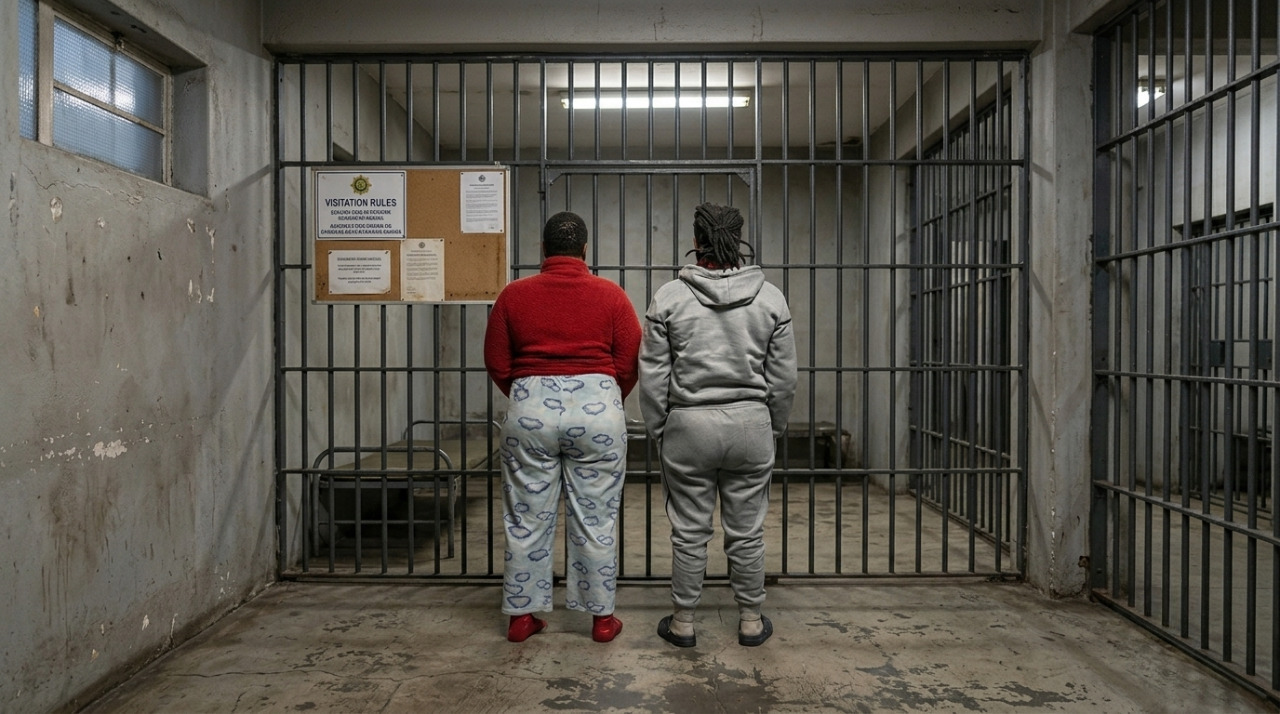
The incident unfolded after the man had been sharing drinks with two women at a tavern in Winnie Mandela Zone 4. According to police reports, the women, both 26 years old and residents of the same area, allegedly invited their male companion back to their room. What was anticipated to be a continuation of a social evening quickly devolved into a nightmare. Once inside the room, the man was reportedly overpowered by the two women and forced to engage in sexual acts against his will. Despite a gruelling struggle, he eventually managed to break free and sought immediate help from his landlord, who promptly alerted the police. The two women were arrested and appeared in court on Tuesday, 19 May 2026, facing rape charges, and remain in custody.
Ekurhuleni district police spokeswoman Captain Nelda Sekgobela confirmed the incident, commending the victim for his bravery in coming forward. Police emphasised the immense social stigma and fear of disbelief that often prevent male victims of sexual assault from reporting their ordeals. This sentiment resonates deeply across Southern Africa, where cultural norms and societal expectations frequently discourage men from acknowledging their vulnerability.
A Broader Pattern: South African and Zimbabwean Contexts
The Thembisa case, while shocking, is far from an isolated incident. Across South Africa and neighbouring Zimbabwe, there have been numerous reports over the years of women perpetrating sexual violence against men. These cases, though less frequently reported and discussed than those involving female victims, highlight a disturbing pattern that challenges conventional understandings of gender-based violence.
In South Africa, instances of women sexually assaulting men have surfaced with unsettling regularity. One particularly alarming trend, reported by organisations such as the Canadian Children’s Rights Council, involves groups of women targeting men, sometimes with the alleged intent of extracting semen. While the specific dates for all these reports are not always recent, the consistent nature of the allegations points to an ongoing, albeit under-recognised, issue. For example, reports have detailed cases where a South African man was allegedly raped by three women for his semen, described as part of a series of similar attacks. Another chilling account speaks of an all-woman gang that kidnapped a 23-year-old man and sexually abused him for three days, with police fearing links to at least seven other similar attacks. These incidents underscore the brutal reality that male sexual assault can involve multiple perpetrators and prolonged abuse.
Beyond these gang-related assaults, individual cases also emerge. The South African Police Service, via social media, reported the life imprisonment sentence of a woman for raping a mentally challenged man, demonstrating that the justice system does, at times, hold female perpetrators accountable. More recently, a 24-year-old female suspect appeared before the Musina Magistrate’s Court in connection with the rape of a 13-year-old boy, indicating that male minors are also vulnerable to such crimes.
Zimbabwe, too, has grappled with its own unique and perplexing cases of female-on-male sexual assault. Perhaps the most widely publicised phenomenon involved allegations of women raping male hitchhikers, often using drugs or other means to incapacitate their victims, with the alleged motive of collecting semen for ritualistic purposes. These reports, which gained significant media attention around 2011 and 2012, led Zimbabwean police to believe there was a nationwide syndicate of women involved in these acts, possibly for use in rituals believed to bring wealth. While some of these high-profile cases, such as that involving Rosemary Chakwizira, were eventually dropped due to insufficient evidence or other legal complexities, they nevertheless brought the issue of male sexual assault to the forefront of public discourse in Zimbabwe.
More recent cases continue to highlight the issue. In March 2026, Zvikomborero Maria Makedenge, a 33-year-old US-based Zimbabwean woman, was acquitted by the Harare Magistrates Court of aggravated indecent assault against a 16-year-old boy. The case, which had drawn considerable attention, involved allegations of coercion and false promises. While acquitted, the proceedings themselves served as a reminder of the legal battles and emotional toll associated with such accusations. In another Zimbabwean case, a 56-year-old woman was sentenced to 15 years in prison by the Zvishavane Regional Magistrates’ Court for rape, further illustrating that courts are increasingly recognising and penalising female perpetrators of sexual violence.
The Unseen Scars: Stigma and Underreporting
The common thread running through these cases, from Thembisa to the broader landscapes of South Africa and Zimbabwe, is the profound challenge of underreporting. Male victims often face immense psychological barriers to coming forward. Societal constructs of masculinity, which equate strength and invulnerability with being a man, make it incredibly difficult for victims to admit they have been sexually assaulted. The fear of ridicule, disbelief, and emasculation can be overwhelming, leading many to suffer in silence. This silence not only denies victims access to justice and support but also perpetuates the myth that men cannot be victims of sexual violence.
Furthermore, the legal frameworks and public perception surrounding rape have historically been gender-biased, often assuming the victim is female and the perpetrator is male. While legal definitions of rape in many Southern African countries have evolved to be gender-neutral, the societal understanding and response often lag. This disparity can lead to a lack of appropriate support services for male victims and a general reluctance within the justice system to treat such cases with the same gravity as female-on-male assaults.
A Call for Comprehensive Understanding and Support
The incidents in Thembisa, alongside the historical and recent cases from South Africa and Zimbabwe, underscore the urgent need for a more comprehensive and inclusive approach to addressing sexual violence. It is imperative that societies in Southern Africa, and indeed globally, dismantle the harmful stereotypes that prevent male victims from speaking out. Education campaigns are crucial to raise awareness that sexual assault can happen to anyone, regardless of gender, and that victims, irrespective of their gender, deserve empathy, support, and justice.
Law enforcement agencies and support organisations must be adequately trained and equipped to handle cases of male sexual assault with sensitivity and professionalism. Creating safe spaces and confidential reporting mechanisms for men is vital to encourage more victims to come forward. Only by acknowledging the full spectrum of sexual violence, and by supporting all victims equally, can we hope to build a society where justice is truly blind to gender and where no victim is left to suffer in silence.