


The developing, family-friendly suburb of Charlotte Brook in Harare North has been thrust into the spotlight following a harrowing incident that exposes the dark intersection of Zimbabwe’s ongoing energy crisis and the vulnerability of children. In a case that has deeply unsettled the local community, a 26-year-old man, Tyron Madzinga, was apprehended by residents after allegedly raping a Grade Seven pupil while her mother was cooking in the very same house.
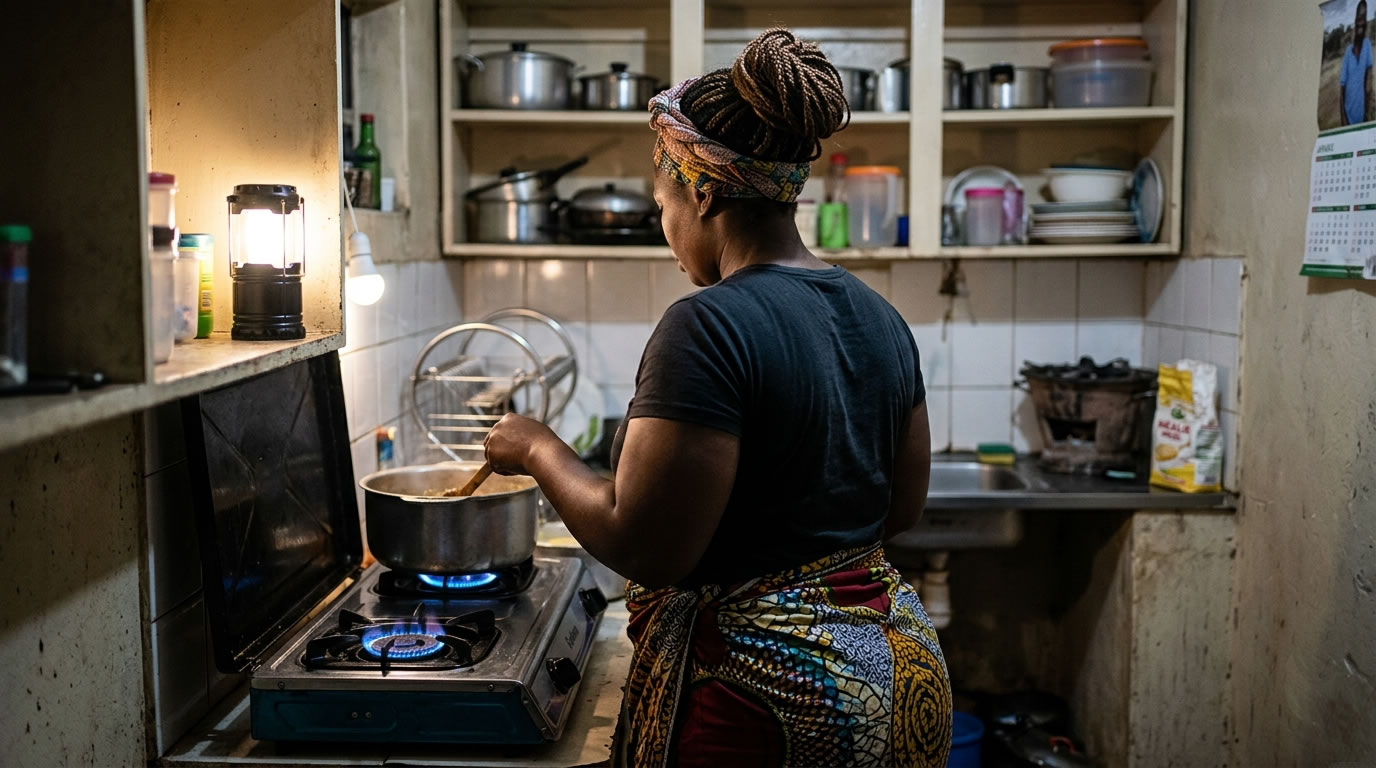
The incident, which occurred on a Thursday evening at approximately 19:00 hours, highlights a disturbing reality where economic hardships inadvertently place children in perilous situations. According to reports, the young girl’s mother had run out of cooking gas at her own home—a common predicament in recent months as Zimbabwe grapples with severe fuel and gas shortages exacerbated by global supply chain disruptions. Desperate to prepare a meal for her family, the mother sought permission to use the cooking facilities at Madzinga’s residence. Madzinga agreed to the request, setting the stage for a devastating betrayal of trust.
The mother, accompanied by her daughter, arrived at Madzinga’s home. While the mother was occupied in the kitchen preparing the evening meal, the young girl was left to watch television in the lounge. The seemingly innocuous arrangement took a sinister turn when the child left the lounge to use the toilet. Upon her return, reports allege that Madzinga seized the young girl, forcefully pulled her into his bedroom, locked the door, and proceeded to rape her.
The sheer proximity of the mother, separated only by walls and the sounds of cooking, adds a chilling layer to the crime. The victim, displaying immense courage, confided in her mother about the assault shortly after it occurred. Realising the gravity of the situation and the immediate danger, the mother took action, but Madzinga had already fled the scene, disappearing into the night.
The victim was promptly taken to the Adult Rape Clinic at Parirenyatwa Hospital for urgent medical attention and forensic examination. Established in 2009, the clinic, despite its name, frequently attends to underage victims, providing critical post-exposure prophylaxis, psychological support, and gathering essential evidence for prosecution. The matter was officially reported to the authorities under the reference number RRB 6828976.
For days, Madzinga remained a fugitive, evading the authorities and leaving the Charlotte Brook community on edge. The suburb, known for its spacious properties and ongoing residential developments, is typically regarded as a safe haven for families. The knowledge that an alleged predator was on the loose deeply disturbed the residents. However, the community’s vigilance paid off on Monday when a local resident spotted Madzinga.
Word spread rapidly, prompting the community to mobilise swiftly. In a remarkable display of restraint and civic duty, the residents teamed up to apprehend the suspect. Despite the intense anger and the emotional weight of the crime, the community chose not to resort to mob justice.
“He was not assaulted. We agreed to take him to Borrowdale Police Station to allow the law to take its course,” stated a resident who participated in the apprehension. This decision to hand Madzinga over to the police unharmed underscores a growing awareness of the importance of the judicial process, even in the face of heinous allegations.
Nevertheless, the psychological impact on the community remains profound. The incident has shattered the illusion of safety and prompted urgent conversations about child protection. “We are now living in fear if we have evil people like Madzinga in our hood who are after destroying our children’s lives,” another resident lamented, capturing the collective anxiety that now permeates the neighbourhood.
This tragic event in Charlotte Brook is not an isolated anomaly but rather a symptom of a broader, systemic issue plaguing Zimbabwe. Recent statistics and reports from child protection agencies indicate a troubling prevalence of sexual violence against minors. A 2022 study conducted in Ruwa revealed that while a significant percentage of respondents had experienced abuse, a staggering 67 percent did not report the incidents to authorities. This chronic under-reporting masks the true scale of the crisis, allowing perpetrators to operate with impunity and leaving countless victims without justice or support.
Furthermore, the socio-economic context cannot be ignored. The current energy crisis, marked by acute shortages of cooking gas and electricity, forces families into vulnerable positions. The necessity of sharing resources, such as cooking facilities, inadvertently creates opportunities for predators to exploit the proximity and trust of their neighbours. The mother in this case was simply trying to provide a basic necessity for her child, a routine act of survival that ended in an unimaginable nightmare.
The intersection of poverty, resource scarcity, and child vulnerability requires urgent attention from both the government and civil society. While the apprehension of Tyron Madzinga brings a measure of relief to the Charlotte Brook community, it also serves as a stark reminder of the pervasive dangers lurking within seemingly safe environments.
As the legal proceedings commence, the focus must remain on supporting the young survivor and her family through the arduous journey of recovery. The role of institutions like the Rape Clinic at Parirenyatwa Hospital is paramount, yet there is a pressing need for expanded, specialised services tailored specifically for children.
Moreover, community-led initiatives aimed at educating parents and children about the signs of abuse and the importance of reporting are crucial. The swift action taken by the Charlotte Brook residents demonstrates the power of collective vigilance, but prevention must be the ultimate goal. Ensuring that economic hardships do not compromise the safety of the most vulnerable members of society is a complex challenge that demands comprehensive policy interventions and a steadfast commitment to child protection.
Police could not be reached for comment at the time of publication, but the community’s decisive action ensures that Madzinga will face the judicial system. As the story unfolds, it stands as a grim testament to the fragility of safety and the urgent need for systemic change to protect the children of Zimbabwe from those who seek to destroy their lives.