


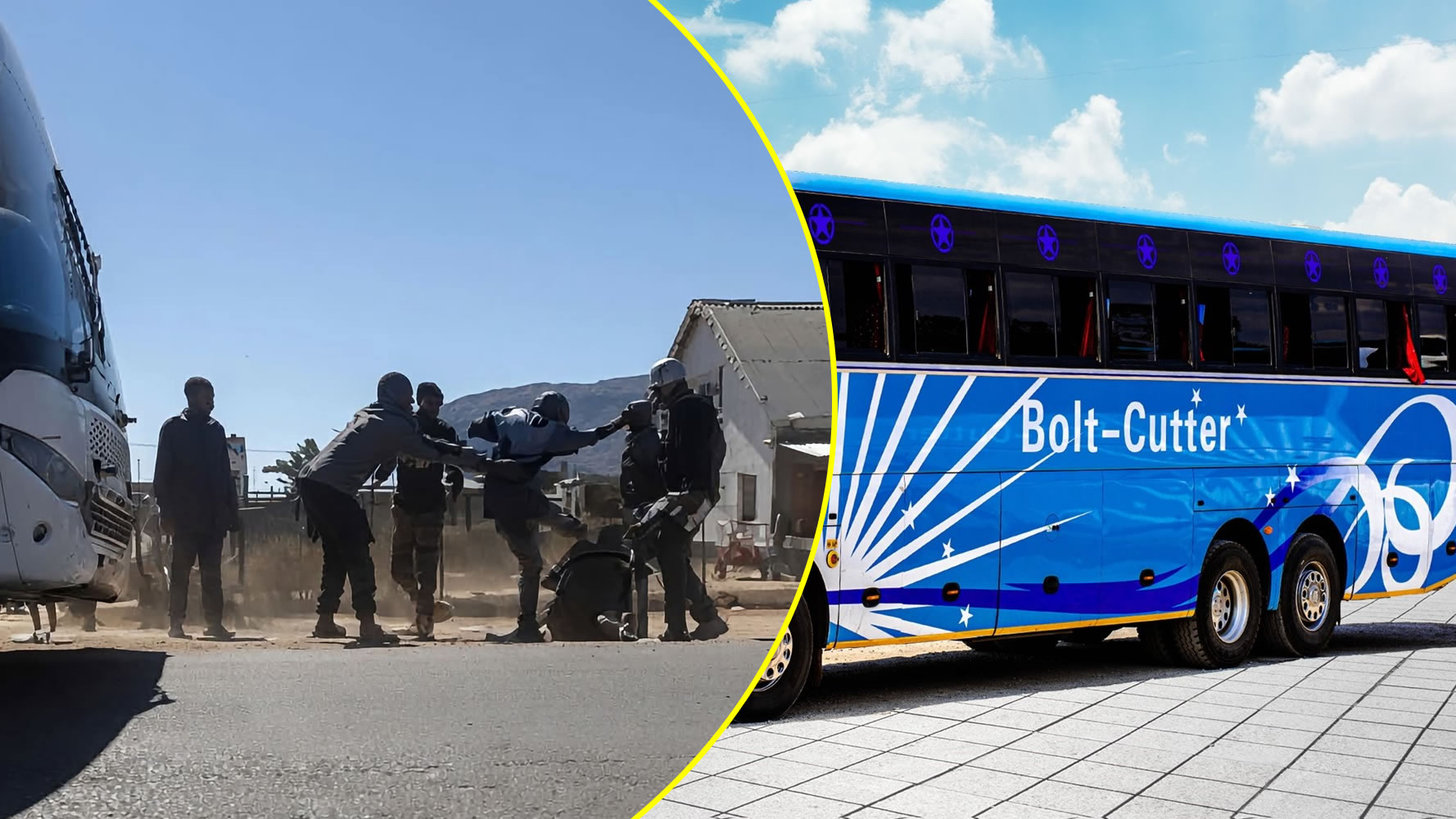
Bus Crew Brutality: A Growing Concern on Zimbabwe’s Roads
Harare – A disturbing incident involving a Bolt Cutter Bus crew brutally assaulting school students has ignited public outrage and cast a harsh spotlight on the escalating issue of violence perpetrated by bus and kombi crews against passengers across Zimbabwe. The incident, captured in a viral social media video, has prompted a police investigation and renewed calls for improved conduct within the public transport sector.
The Musami Cross Incident: A Refund Request Turns Violent
The latest incident, which occurred on Saturday at Musami Cross in Domborembudzi, saw members of the Bolt Cutter Bus crew violently attacking schoolboys who had reportedly sought a refund. According to accounts, the students boarded the bus at Juru Growth Point, destined for Mutoko, under the assurance that seats would become available at subsequent stops. However, upon reaching Musami Cross, the bus became even more overcrowded.
When the students requested a refund for the uncompleted portion of their journey, intending to find alternative transport, their plea was met with brutality. The crew allegedly forced the students off the bus and subjected them to a violent assault. The US$20 paid for their transport was also reportedly withheld. A video depicting the assault quickly circulated on social media, drawing widespread condemnation.
National police spokesperson Commissioner Paul Nyathi confirmed that the Zimbabwe Republic Police (ZRP) is actively investigating the footage. “Reference is made to the video circulating on social media in which members of the Bolt Cutter Bus Crew are seen violently assaulting passengers at Musami Cross, Domborembudzi,” Comm Nyathi stated. He further noted that the footage showed two crew members repeatedly kicking one passenger who was on the ground, appearing disoriented and possibly unconscious, raising serious concerns about potential injuries. Commissioner Nyathi reiterated the ZRP’s strong condemnation of all forms of violence and assured the public that those responsible would be dealt with “without fear or favour”.
In response to the incident, the Bolt Cutter Bus Company issued a statement condemning the alleged assault and the conduct of its crew, pledging cooperation with law enforcement authorities.
A Pattern of Aggression: Other Incidents of Bus Crew Violence
The Musami Cross incident is not an isolated event but rather a stark reminder of a troubling pattern of aggression by some bus and kombi crews in Zimbabwe. Several other cases highlight the pervasive nature of this problem:
The 50-Cent Fare Dispute
In March 2024, a bus conductor identified as Tafadzwa Zivavo was arraigned before a Harare magistrate for allegedly assaulting a passenger over a mere US$0.50 bus fare. Zivavo, operating on the Harare-Makaha route, pleaded guilty to the assault charge and was remanded in custody for sentencing. This incident underscores the alarming readiness of some crew members to resort to violence over trivial disputes.
The Kombi Log Attack
Another egregious case from August 2024 saw Nkosiyazi Dube, a kombi conductor from Cowdray Park, Bulawayo, sentenced to two years in prison for brutally assaulting a passenger, Patience Migeri. The altercation, which began over a dispute about change and a bus stop, escalated when Dube disembarked, grabbed a log, and repeatedly struck Migeri on her hips, kicked her, and punched her in the face. Migeri sustained a swollen hip, visible bruises, and shaking teeth, requiring hospitalisation. Dube was convicted of assault as defined in section 89(a)(b) of the Criminal Law (Codification and Reform) Act.
The Kombi Conductor and Female Passenger on Omnibus AGJ 4856
While specific details regarding the outcome of this case are less clear from available reports, a social media post by the Zimbabwe Republic Police in June 2026 referenced a video circulating that showed a kombi conductor brutally assaulting a female passenger on omnibus AGJ 4856. The altercation reportedly began when the passenger asked for something, though the exact nature of the request and the full circumstances of the assault are not explicitly detailed in the snippet. This incident further highlights the ongoing issue of violence against passengers, particularly women, in public transport.
Calls for Reform and Accountability
The Passengers Association of Zimbabwe (PAZ) national coordinator, Tafadzwa Goliati, has strongly condemned such assaults, urging transport operators to implement better management practices for their bus crews. Goliati emphasised the need for operators to employ trained personnel rather than engaging “untrained people that end up tarnishing their companies.” He also advocated for public relations training to ensure professional conduct during journeys.
The recurring nature of these incidents points to systemic issues within Zimbabwe’s public transport sector, including a lack of adequate training for bus crews, poor working conditions, and insufficient oversight. The reliance on informal or untrained personnel, often referred to as ‘loaders’ or ‘touts,’ contributes significantly to the problem, as these individuals may lack the professionalism and conflict resolution skills necessary to handle passenger interactions peacefully.
Moreover, the economic pressures faced by transport operators and their crews can exacerbate tensions, leading to disputes over fares, change, and seating arrangements that can quickly escalate into violence. The vulnerability of passengers, particularly students and women, in these situations is a grave concern.
The Path Forward
To address this pervasive issue, a multi-faceted approach is required. Firstly, law enforcement agencies must continue to vigorously investigate and prosecute all reported cases of assault, ensuring that perpetrators are held accountable to the full extent of the law. The ZRP’s commitment to dealing with those responsible “without fear or favour” is a crucial step in deterring future acts of violence.
Secondly, transport operators bear a significant responsibility to professionalise their services. This includes implementing rigorous hiring processes, providing comprehensive training on customer service and conflict resolution for all crew members, and establishing clear codes of conduct. Regular monitoring and disciplinary actions for violations are also essential.
Thirdly, public awareness campaigns can empower passengers to report incidents and know their rights. The Passengers Association of Zimbabwe plays a vital role in advocating for passenger safety and encouraging operators to improve their standards.
Finally, there is a need for broader regulatory reform and oversight of the public transport sector to ensure that all operators adhere to safety and conduct standards. This could involve stricter licensing requirements, regular inspections, and mechanisms for passengers to lodge complaints and seek redress.