


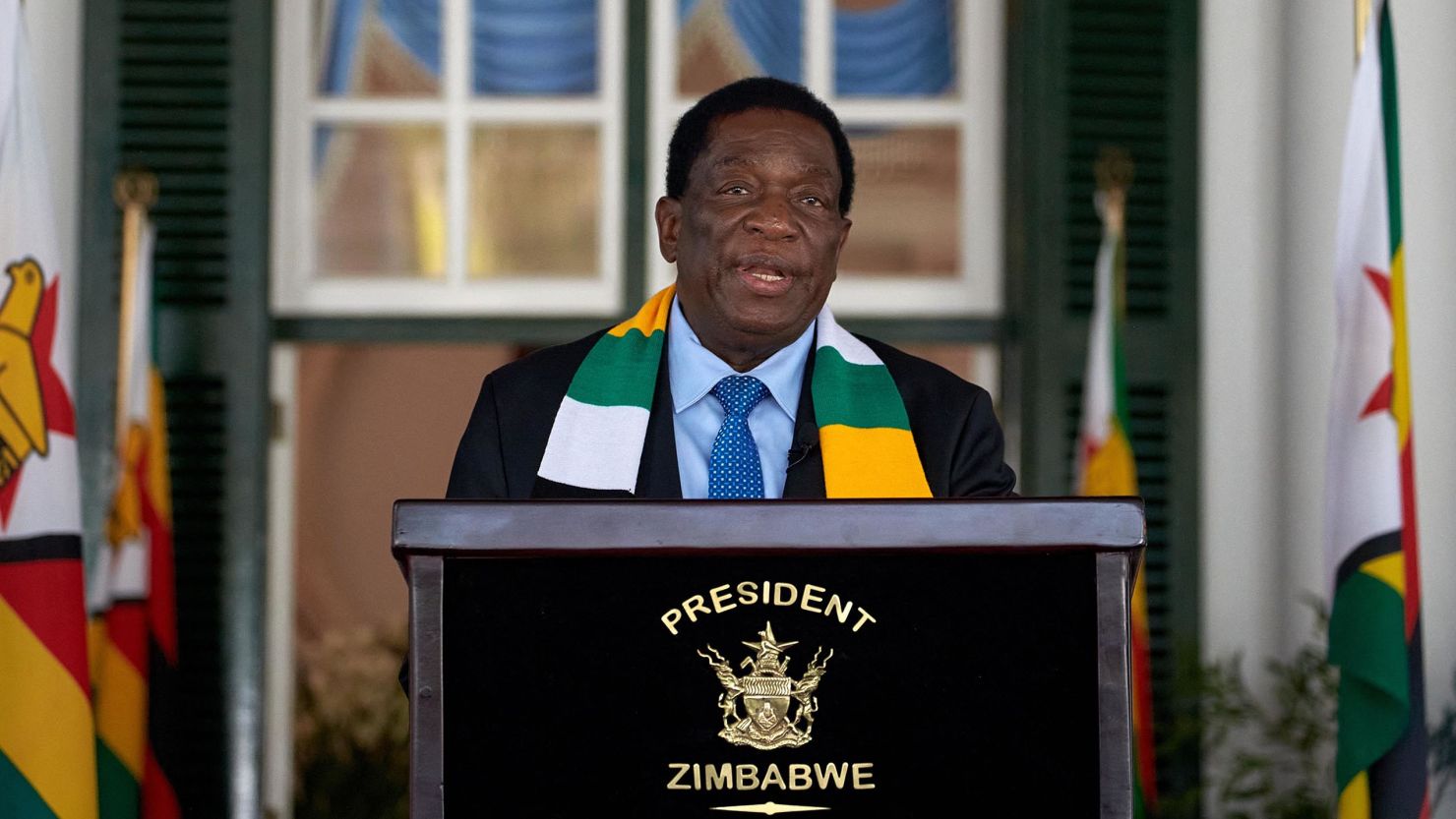
President Emmerson Mnangagwa has recommended businessman Kudakwashe Tagwirei for a seat in Zimbabwe’s Senate, alongside nine other appointees chosen under Constitutional Amendment Act No. 3.
The appointments mark the first major use of the constitutional changes that created 10 additional Senate positions. Parliament was formally notified of the recommendations on Tuesday, August 18, 2026.
The 10 people named are Jabulani Sibanda, Mary Mliswa, Nokuthula Matsikenyere, Kudakwashe Tagwirei, Godwills Masimirembwa, Lucy Chitaga, retired General Gibson Mashingaidze, Makhosini Hlongwane, Brilliant Dube and Irene Mutumbwa.
The change increases the size of the Senate from 80 to 90 members. The additional seats were created through the amendment passed by Parliament and signed into law in July. The Constitution provides that the President appoints the 10 senators after consultation with the National Assembly, selecting people for their professional skills and other competencies.
That route is different from the ordinary election of senators. Zimbabwe’s Senate also includes senators elected through the provinces, chiefs elected through the traditional leaders’ structures, and senators representing people with disabilities. The 10 new members therefore enter Parliament through a presidential appointment process rather than a direct vote by the public.
The Senate is part of Parliament’s law-making system. It considers Bills passed by the National Assembly, debates national policy and can amend or reject legislation within the limits set by the Constitution. Its members also participate in parliamentary committees and oversight work. The new appointments will therefore give the individuals named a direct role in considering laws that affect taxation, public spending, land, mining, agriculture, energy and other areas of national policy.
For ordinary Zimbabweans, the immediate issue is not simply that Parliament has gained 10 more members. The appointments change who has access to the legislative chamber and how those members acquire that position. Because the seats are filled by the President, the process places particular importance on the information made available about the appointees’ qualifications, political roles and business interests.
Tagwirei’s appointment has drawn attention because he combines substantial commercial interests with a close public role around the executive. He is the founder and chief executive of Sakunda Holdings, a Zimbabwean company active in energy and associated with government-linked programmes in agriculture and fuel. He has also served as an adviser to President Mnangagwa.
Tagwirei became a member of the Zanu PF Central Committee in 2025. His move into the party’s senior structures placed him more visibly within the political system after years of operating primarily as a businessman with strong links to senior government officials. His name has since featured in discussions about the party’s future leadership.
The United States Department of the Treasury designated Tagwirei in August 2020 under its Zimbabwe-related sanctions measures. The Treasury identified him as a Zimbabwean businessman with longstanding connections to the ruling party and senior government officials. It also named Sakunda Holdings as an entity owned or controlled by him. The current Office of Foreign Assets Control sanctions record lists Kudakwashe Regimond Tagwirei on the Specially Designated Nationals and Blocked Persons list under the GLOMAG programme. The record was last updated on August 7, 2026.
The Treasury’s 2020 notice linked Tagwirei to state contracts, access to foreign currency and the Command Agriculture programme, which was financed in large part by Sakunda Holdings. The programme became the subject of a parliamentary inquiry after government audit reports raised questions about public funds and accounting. These matters form part of the public record surrounding Tagwirei’s business career and government-facing activities.
Sakunda is the company most directly associated with Tagwirei in official sanctions records. Other public descriptions of his business interests have connected him to mining, agriculture, infrastructure and energy ventures. Those links make disclosure especially important as he takes a legislative seat. Parliament’s public information should allow citizens to see the companies in which an appointed senator has an ownership, management or financial interest, as well as any government contracts or policy areas that may overlap with his parliamentary duties.
The Constitution and parliamentary rules provide a framework for appointing senators, declaring interests and conducting legislative business. The practical safeguard is whether the public can obtain enough detail to assess potential conflicts before important Bills and committee decisions reach the Senate. A declaration of interests is useful only when it is sufficiently specific to identify the companies, contracts and sectors involved.
The new arrangement also raises questions about the balance between executive influence and parliamentary independence. The President selected all 10 senators, while the appointees will join a chamber responsible for scrutinising legislation and participating in oversight of government activity. The constitutional route is clear, but the quality of public accountability will depend on how transparently the appointments are explained and how conflicts are managed after the senators take their seats.
Tagwirei’s arrival makes that question more prominent because his public identity now spans three areas of national life: business, executive advice and party politics. His Senate appointment brings those spheres into the same institution that debates laws governing the economy and public administration.
The next stage will be the formal assumption of duties by the appointees and the release of fuller parliamentary information about their qualifications and interests. The central issue for citizens will be whether the expanded Senate provides broader expertise and representation, or whether it gives politically connected figures a new route into law-making without enough disclosure about the interests they bring with them.
What has changed is straightforward: 10 presidentially appointed senators have been added to Zimbabwe’s Parliament under Amendment Act No. 3. What remains to be seen is how much information the public will receive about the people appointed, how effectively the Senate will scrutinise government, and whether the new seats strengthen accountability in practice.