


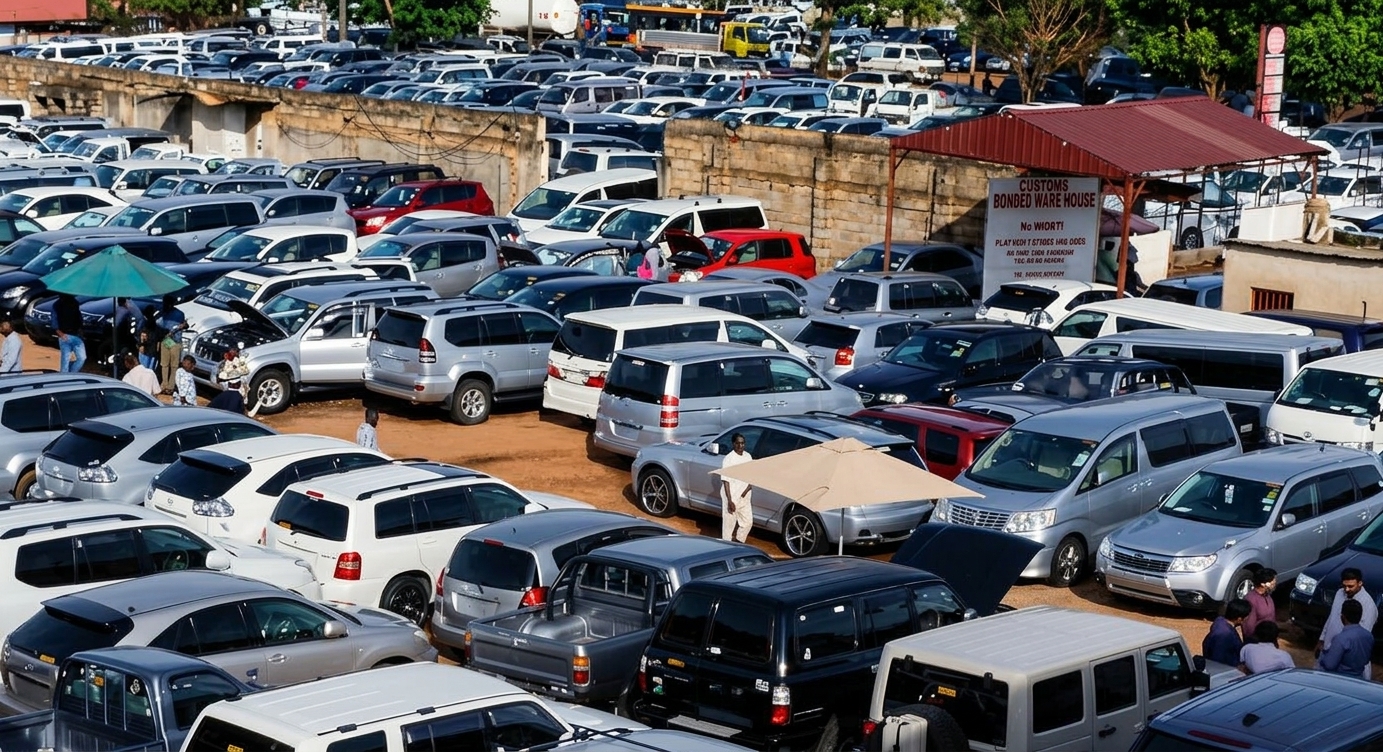
Zimbabweans returning from South Africa with foreign-registered vehicles say a new Zimbabwe Revenue Authority (ZIMRA) requirement has left them facing a short deadline to pay import duty or take their cars back across the border.
The reported change affects drivers seeking to renew Temporary Import Permits (TIPs), including people who say they came home temporarily as anti-immigrant hostility rose in South Africa. It also affects Zimbabweans who travel frequently between the two countries for business and rely on their vehicles to move between their homes and investments.
Under the new requirement, drivers are being told to pay duty on their vehicles in addition to the usual charges: US$10 for road access, US$30 for third-party insurance and US$10 in carbon tax. The combined road, insurance and carbon-tax fees amount to US$50, before any vehicle duty is added.
Some drivers say they have been given only days to settle the bill. Those unable to pay risk losing the ability to renew their permits and may have to take their vehicles back to South Africa, even if they had returned to Zimbabwe because they felt unsafe there.
One Zimbabwean, whose permit was due to expire the following Monday, said the new rule was announced just days before the deadline.
“This policy was announced on Wednesday, my TIP expires next week Monday and I had thought of extending it a few days before its expiration only to be told I have to pay duty for my car within three days,” said an aggrieved citizen who declined to be named for fear of victimisation by ZIMRA.
The driver said the return to Zimbabwe was meant to be temporary, while tensions in South Africa eased.
“I decided to temporarily come back home as the situation in South Africa calms down. My plan is to go back there after their upcoming elections.
“There is absolutely no way I can raise the required duty, especially at such short notice. ZIMRA has to reconsider this policy and give locals reprieve considering what we have been going through in South Africa in the past months.”
Another South Africa-based Zimbabwean, who said they operate businesses in both countries, said the requirement would make it more difficult to manage their investment at home.
“I travel a lot between Zimbabwe and South Africa as I have businesses in both countries, this will definitely make it harder for me to manage my local investment,” said another victim.
“It is an anti-business policy that should have been widely discussed first. Implementing it will definitely affect more people, some of whom might have no one to talk to.”
The permit dispute comes as Zimbabwe has received a large number of people returning from South Africa amid threats and attacks against migrants. By 28 July, 116,670 Zimbabweans had returned, according to figures presented to the government’s Cabinet. Of those, 36,940 had travelled home through government-arranged assistance, while 79,730 had made their own arrangements. A further 38,057 returnees had registered for employment.
The return movement gathered pace after anti-immigrant groups set an unofficial 30 June deadline for undocumented migrants to leave South Africa. The deadline was not issued by the South African government, but many people feared that protests around it could lead to violence. Zimbabweans queued for help at consulates, slept outside while waiting for transport and travelled home independently.
The danger has not been confined to a single wave of protests. On 8 October, anti-migrant demonstrations in Johannesburg’s Soweto township and the coastal city of Durban turned violent. Police said 10 vehicles were set alight in Johannesburg and 14 in Durban. Foreign-owned shops were looted, and three people were arrested in Durban. The protests included demands that refugee centres stop processing asylum applications. Foreign-run businesses in both cities were forced to close.
Earlier in the year, demonstrations and attacks also targeted foreign nationals in major South African cities, including Pretoria, Johannesburg and Durban. During protests in April, a foreign shop owner in Durban described being attacked inside his business by a group carrying golf sticks and heavy whips. In May, human rights monitors reported further attacks and intimidation against African and Asian migrants. The latest incidents have renewed fear among people who had hoped to remain in South Africa or return there after a short stay in Zimbabwe.
ZIMRA’s published guidance describes a TIP as a duty rebate for foreign-registered vehicles brought into Zimbabwe for a visitor’s personal use. Visitors include Zimbabweans living or working abroad who return for a specified period. The rules say a permit holder seeking an extension should approach a ZIMRA office, pay carbon tax and insurance, and remove the vehicle by the end of the permitted period. The stated maximum period is three months.
The new requirement described by affected drivers is a significant change in practice: they say renewal is being withheld until duty is paid, with the duty to be claimed when the vehicle exits Zimbabwe. This is similar to the treatment of trucks travelling through the country. ZIMRA’s published rules also warn that vehicles brought in temporarily cannot be sold or transferred to a Zimbabwean resident without written approval and payment of the applicable duty.
A separate ZIMRA scheme covers qualifying returning residents who are permanently resettling in Zimbabwe. Under that arrangement, a person who previously lived or worked in Zimbabwe and has been abroad for at least two years may bring in one qualifying vehicle for personal use, subject to conditions. The vehicle must have been owned and fully paid for at least six months before arrival. The scheme provides for duty suspension, while value-added tax remains payable on eligible vehicles valued up to US$40,000; duty applies to any value above that threshold.
That returning-resident arrangement is distinct from the TIP used by visitors and people making a temporary return. Drivers who come back for a short period, and those who continue to travel between the two countries, may not meet the conditions for permanent-return relief.
The sudden timing is a central concern for drivers facing renewal deadlines. The Zimbabwean who said the car could not be cleared in three days had planned to go back to South Africa after the elections, but said the money required was beyond reach. For cross-border business owners, a vehicle held up by customs requirements could also disrupt journeys and day-to-day management of their work.
ZIMRA’s corporate affairs department was unavailable for comment when contacted about the reported change. The authority’s existing public guidance continues to describe the standard TIP extension process, while affected drivers say they have been told that duty must now be paid before renewal. The immediate impact is being felt by people deciding whether they can afford the bill, leave their vehicles in Zimbabwe, or return them to a country they had left amid fears of anti-migrant violence.