


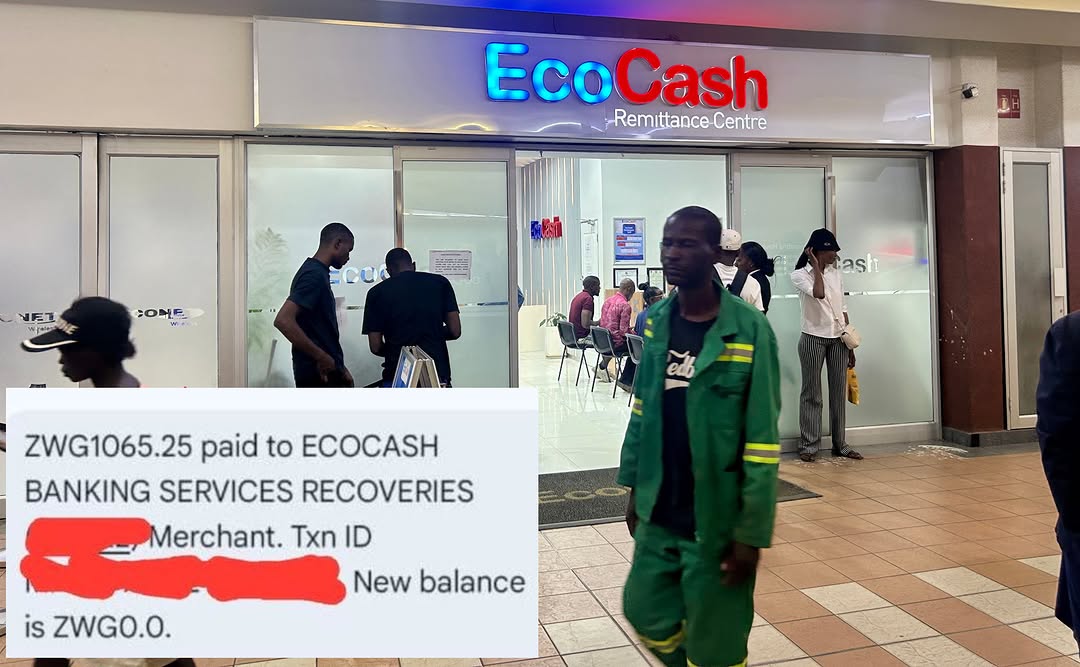
EcoCash Manipulation Scandal: Unravelling the Digital Heist & Bail Controversies
The digital landscape of Zimbabwe, a nation increasingly reliant on mobile money for daily transactions, has been shaken by a series of sophisticated scams targeting EcoCash, the country’s most widely used mobile financial service. Recent arrests and subsequent legal proceedings have not only exposed vulnerabilities within these platforms but have also ignited a debate about the fairness and transparency of the justice system, particularly concerning bail decisions in high-profile financial crime cases. This investigative report delves into the intricate details of these alleged digital heists, examining the methods employed by perpetrators, the broader implications for financial security, and the measures being taken to safeguard public trust.
At the heart of one such scandal are Rumbidzai Tsongora, 24, Tranos Taurai Muzanenhamo, 26, Timothy Bvuramiti, 27, and Bradwell Shangwa, 24. This group, which includes a married couple, was apprehended in July 2024 for allegedly defrauding individuals of a substantial ZiG223,000 through a cunning SIM card swapping scheme. Their method was alarmingly simple yet effective: they targeted unsuspecting individuals seeking to exchange foreign currency on the black market. Muzanenhamo and Tsongora would visit an Econet agent in Marondera, where Tsongora would impersonate a legitimate EcoCash user, Ruth Machakadya, to obtain a SIM card replacement. Once they had control of Machakadya’s line, they would advertise on WhatsApp, offering to exchange US$5,000 for local currency. Three victims, believing they were engaging in a legitimate transaction, transferred ZiG68,000, ZiG65,000, and ZiG90,000 respectively to a bank account controlled by the alleged scammers. The total amount defrauded was ZiG223,000.
The National Prosecuting Authority of Zimbabwe (NPAZ) detailed the intricate web of deception, stating that the accused were arraigned before the Harare Magistrates’ Court on three counts of fraud, a single count of possessing articles for criminal use, and another count of contravening the Money Laundering and Proceeds of Crime Act. Police investigations eventually led to their arrest in a hideout in Chitungwiza, where a significant cache of evidence was recovered, including 30 unused Econet SIM cards, 36 used Econet SIM cards, 4 NetOne SIM cards, 4 Telecel SIM cards, 5 O’mari debit cards, and a Toyota Hiace. The sheer volume of SIM cards suggested a well-organised network designed to exploit unsuspecting victims. The court initially remanded the accused in custody, highlighting the gravity of the charges and the potential flight risk involved.
Another significant incident, occurring in February 2026, involved a syndicate of 11 individuals operating from Chitungwiza. This group was accused of defrauding 31 EcoCash users of approximately US$61,000 through a phishing scam. Their modus operandi involved sending fake links promising “free data bundles” to unsuspecting users. When victims clicked on these links, they were prompted to share their One-Time Pins (OTPs) or were tricked into revealing their EcoCash PINs. This allowed the hackers to gain unauthorised access to the victims’ accounts and siphon off funds. The police, employing a “follow the money trail” approach, managed to track down the suspects, revealing that part of the proceeds from the crime had been invested in cryptocurrency.
The bail application for these 11 individuals became a focal point of public scrutiny. A Harare Magistrate was expected to rule on the application on February 11, 2026, but the decision was delayed. Ultimately, on February 13, 2026, the suspects were denied bail due to the severity of the offence and the risk of them interfering with ongoing investigations. This decision, while welcomed by many as a necessary step to deter cybercrime, also raised questions about the consistency of bail rulings in Zimbabwe, particularly when compared to cases involving political activists or lesser offences.
The broader implications of these digital heists are profound. EcoCash, a product of Cassava Smartech, has been a pioneer in the mobile money revolution in Zimbabwe, providing financial inclusion for millions who previously lacked access to formal banking services. However, the increasing sophistication of cybercriminals poses a significant threat to this progress. The ease with which perpetrators can manipulate SIM cards at agent locations points to potential insider involvement or significant oversight issues. Furthermore, the success of phishing scams highlights the need for greater public awareness and education regarding digital security. As Peter Jonasi, a cyber-security expert, noted, “There is now a growing threat of cybercrime in Zimbabwe. The perpetrators are becoming increasingly sophisticated in their methods, exploiting vulnerabilities in our digital systems to defraud unsuspecting individuals.”
The justice system’s handling of these cases is also under the microscope. The bail process, in particular, has been a subject of intense debate. Is it transparent and equitable, or does it favour those with connections and resources? The denial of bail for the 11 suspected hackers in the Chitungwiza syndicate case suggests a firm stance against financial crime. However, public outcry often surrounds cases where individuals accused of significant corruption or large-scale fraud are granted bail, while those accused of lesser crimes or political activism remain in custody. This perceived inconsistency undermines public trust in the legal system and fuels speculation about the influence of wealth and power on judicial outcomes.
In response to these growing threats, EcoCash and regulatory authorities are taking measures to enhance security and protect users’ funds. EcoCash has maintained its market leadership through continuous innovation, but the recent spate of scams underscores the need for more robust safeguards. The integration of mobile money with the national civil registry, planned for 2026, is a significant step towards closing loopholes that enable fraud and money laundering. By linking financial transactions to verified national identity records, authorities hope to create a more secure digital financial ecosystem. However, the lack of a standalone Cyber Crimes Act in Zimbabwe remains a significant hurdle in effectively prosecuting these complex offences.
The evolving landscape of financial crime in Zimbabwe reveals a disturbing trend: criminals are increasingly leveraging technology to execute sophisticated heists. The use of cryptocurrency to launder proceeds from the Chitungwiza syndicate scam highlights the global nature of these operations and the challenges faced by law enforcement agencies in tracking illicit funds. The recovery of numerous SIM cards and debit cards in the SIM swapping case suggests the existence of hidden networks that facilitate these crimes. Unravelling these networks requires a coordinated effort between law enforcement, financial institutions, and telecommunications companies.
To protect themselves from similar digital threats, citizens must remain vigilant. Never share PINs or OTPs with anyone, even those claiming to be from EcoCash or Econet. Be wary of unsolicited messages offering free data or lucrative currency exchange deals. Always verify the identity of individuals or organisations before engaging in financial transactions. If you suspect your account has been compromised, contact EcoCash immediately and report the incident to the police.
The EcoCash manipulation scandal serves as a stark reminder of the vulnerabilities inherent in digital financial platforms. While mobile money has undoubtedly transformed the economic landscape of Zimbabwe, it has also created new avenues for criminal activity. Addressing these challenges requires a multi-faceted approach, encompassing enhanced security measures, robust legal frameworks, and increased public awareness. Only through a concerted effort can we ensure the safety and integrity of our digital financial systems and restore public trust in the institutions designed to protect us.
The NPAZ statement regarding the SIM swapping case provided a chilling assessment of the situation: “The sheer number of sim cards recovered suggests a well-oiled network designed to target unsuspecting victims.” This observation underscores the scale and organisation of these criminal enterprises. The authorities must remain steadfast in their pursuit of justice, ensuring that those responsible for these digital heists are held accountable. The bail process must be transparent and equitable, reflecting the gravity of the offences and the need to protect the public from further harm.
As Zimbabwe continues its journey towards a fully digitised economy, the lessons learned from the EcoCash manipulation scandal must inform future strategies for securing financial platforms. The integration of mobile money with the national civil registry is a positive step, but it must be accompanied by comprehensive legislation addressing cybercrime. Furthermore, financial institutions and telecommunications companies must invest in advanced security technologies and continuous monitoring to detect and prevent fraudulent activities. The fight against digital financial crime is an ongoing battle, requiring constant vigilance and adaptation to emerging threats.
In conclusion, the recent arrests and bail controversies surrounding the EcoCash manipulation scandal have exposed significant vulnerabilities in Zimbabwe’s digital financial ecosystem. The sophisticated methods employed by perpetrators, coupled with the challenges faced by the justice system in handling these complex cases, highlight the urgent need for comprehensive reforms. By strengthening security measures, enacting robust cybercrime legislation, and promoting public awareness, Zimbabwe can mitigate the risks associated with digital finance and ensure a safer, more secure future for all its citizens. The unravelling of these digital heists is not just a matter of law enforcement; it is a crucial step towards building a resilient and trustworthy financial system that serves the needs of the entire nation.