


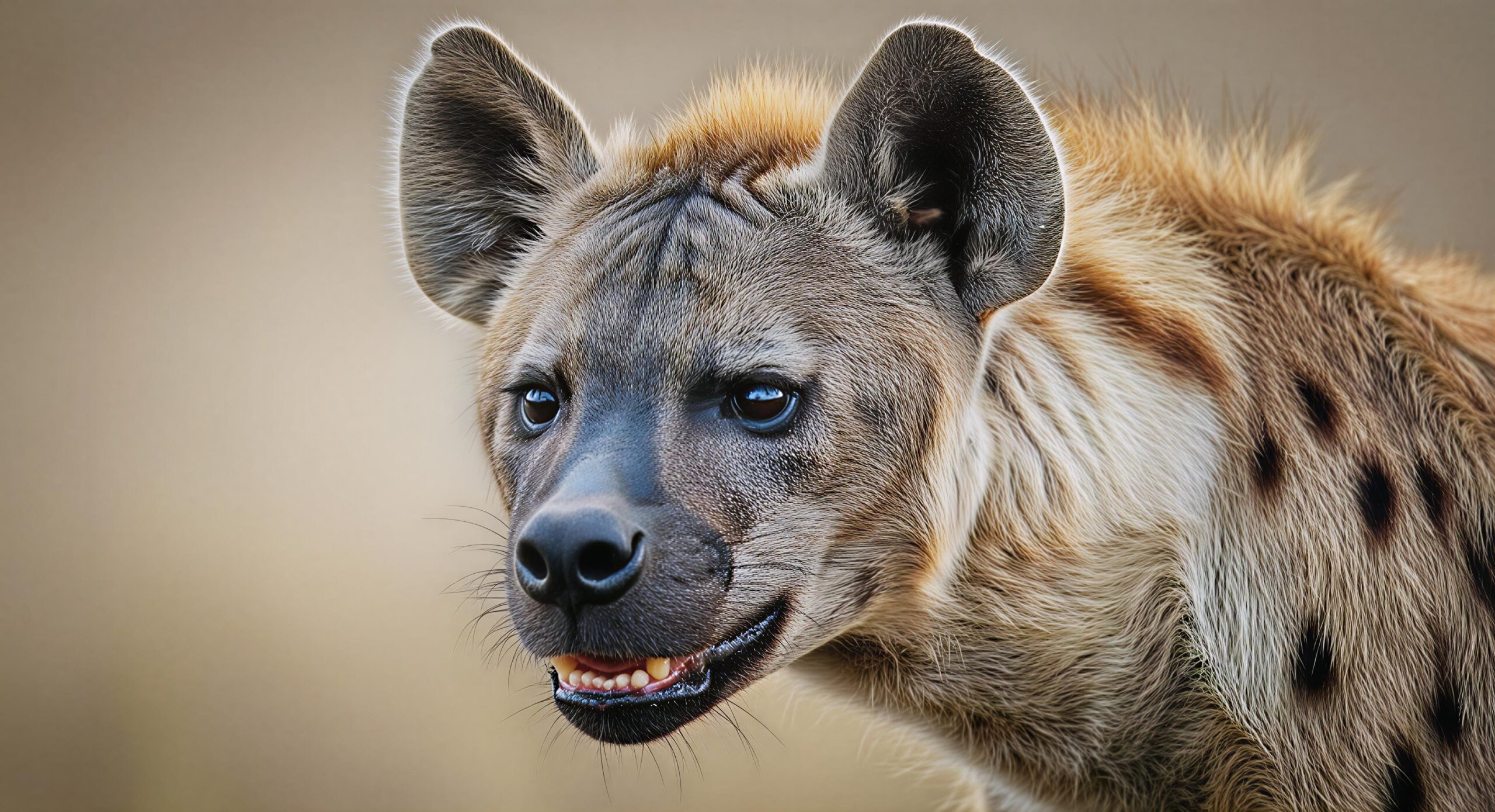
Harare – Two men are in police custody after being apprehended in Eastlea, Harare, on Tuesday, attempting to sell a hyena nose. The arrest highlights the ongoing battle against wildlife crime in Zimbabwe, with authorities vowing to protect the nation’s natural heritage.
Andrew Makusele, hailing from Goromonzi, and John Jelester, a resident of Kuwadzana, were caught red-handed as they actively sought potential buyers for the prohibited item at a shopping centre.
Detective Inspector Rachel Muteweri, spokesperson for the Criminal Investigations Department (CID), confirmed the arrest and issued a stern warning to the public. “We urge all citizens to refrain from the illegal killing of endangered species,” she stated. “Our wildlife is an integral part of Zimbabwe’s heritage, and its protection is a collective responsibility that we all share.”
Makusele and Jelester now face charges under Section 59(2)AC(B) of the Parks and Wildlife General Regulations S.I 362/1990, as well as Section 128(B) of the Parks and Wildlife Act Chapter 20:14, for the “unlawful possession of a hyena nose.”
This incident is just the latest in a series of arrests demonstrating the persistence of wildlife crime across the country. In a separate operation, Abraham Chaukura, a 50-year-old man, and his 18-year-old son, Abraham Junior, both from Domborutinhira Village in Chief Mutasa’s area, were arrested in Mutare last week. The father and son were apprehended after detectives from the CID Minerals, Flora, and Fauna Unit (MFFU) received intelligence suggesting they were seeking buyers for two pangolins. Upon their arrest, they were unable to produce any permit or license authorising them to possess the highly endangered creatures.
Further highlighting the ongoing problem, Safirio Macben and Mira Nyandoro, both from Hopley, Harare, were also arrested by detectives from the CID MFFU. They were caught in Harare’s bustling Central Business District (CBD) while attempting to sell a leopard skin.
In Tsholotsho, Vesile Ngwenya, 31, Future Moyo, 35, and Mbongeni Sibanda, 39, all from Thandazo Village in Chief Siphoso’s area, found themselves on the wrong side of the law last week when they were arrested for possession of a python skin. The trio has since appeared before the courts to answer for their alleged crimes.
The string of arrests underscores the critical need for continued vigilance and enforcement efforts to combat the illegal trade in wildlife products. The CID’s MFFU is clearly playing a crucial role in disrupting these criminal networks.
The possession and attempted sale of animal parts such as hyena noses, pangolins, leopard skins, and python skins are not merely acts of criminality; they also reflect deeply rooted traditional beliefs and practices prevalent in various parts of Africa.
Across the continent, animal parts are often sought after for their perceived medicinal or spiritual properties. The hyena, for instance, is an animal shrouded in mystique and superstition. In some cultures, certain parts of the hyena, including the nose, are believed to possess potent medicinal qualities. They may be used in traditional remedies to treat a range of ailments, from physical illnesses to psychological conditions. The belief is that the hyena’s perceived cunning and strength can be transferred to the individual through the use of its body parts.
Pangolins, on the other hand, are among the most trafficked mammals in the world, driven by demand in Asia and, to a lesser extent, in Africa. While their scales are primarily used in traditional medicine in Asia, in some African communities, pangolins are believed to have spiritual significance. They may be used in rituals or ceremonies, and their scales are sometimes incorporated into traditional attire or charms.
Leopard skins have long been associated with power, prestige, and authority in many African cultures. Historically, they were worn by chiefs, kings, and other figures of high status as symbols of their leadership and connection to the spirit world. While the wearing of leopard skins has declined in some areas due to conservation concerns and legal restrictions, the demand for these skins persists, particularly for ceremonial purposes.
Python skins, like those of other snakes, are often associated with healing and protection in traditional African medicine. They may be used to treat skin conditions, ward off evil spirits, or bring good fortune. The specific beliefs and practices surrounding the use of python skins vary widely depending on the cultural context.
It is important to note that the use of animal parts in traditional medicine and cultural practices is a complex and often controversial issue. While some argue that these practices are an integral part of African heritage and should be respected, others emphasize the need to protect endangered species and promote sustainable alternatives. The challenge lies in finding a balance between preserving cultural traditions and ensuring the long-term survival of Africa’s wildlife.
Detective Inspector Muteweri’s warning highlights the Zimbabwean government’s commitment to protecting its wildlife and combating the illegal trade in animal parts. The arrests of Makusele, Jelester, the Chaukuras, Macben, Nyandoro, Ngwenya, Moyo, and Sibanda serve as a reminder that those who engage in these activities will face the full force of the law.
Zimbabwe’s rich biodiversity is a valuable asset, and its protection is essential for the country’s economic and social well-being. By cracking down on wildlife crime and raising awareness about the importance of conservation, Zimbabwe is working to ensure that its natural heritage is preserved for future generations.