


Prophets of Doom or Truth-Tellers? The ‘Year of Exposure’ Prophecies Rock Zimbabwe
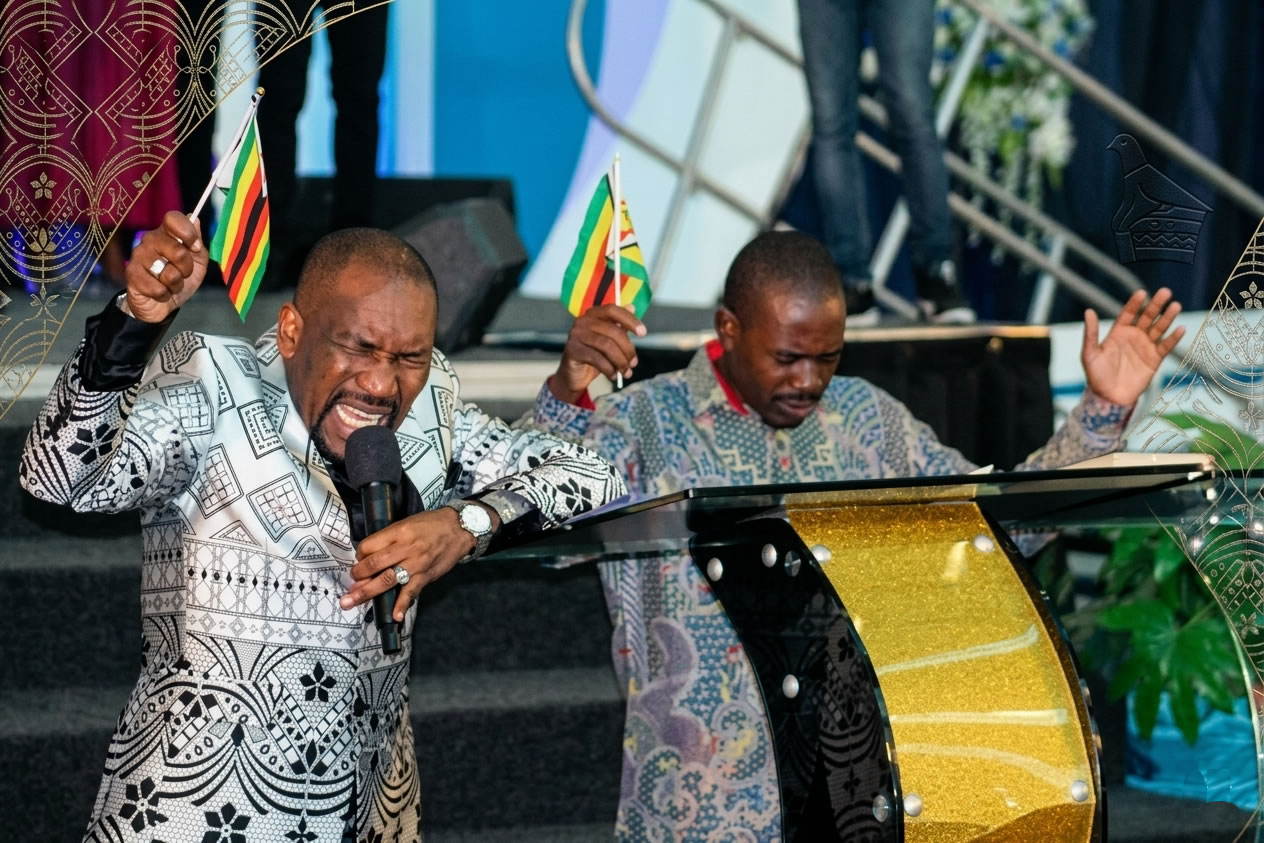
Zimbabwe finds itself at a pivotal moment, gripped by a series of prophetic declarations that have sent ripples through its already turbulent political and social landscape. Prominent spiritual leaders, Prophet Blessing Chiza and Prophet Solomon Gwashavanhu, have independently declared 2026 as a ‘year of cleansing’ and ‘exposure’ for top leaders and corrupt officials. These pronouncements, far from being mere spiritual musings, have resonated deeply with a populace weary from economic hardship, political instability, and pervasive corruption, igniting a complex mix of hope and apprehension across the nation.
Prophet Blessing Chiza, founder of the Eagle Life Assembly, has been particularly vocal, stating during a crossover service in February 2026 that “In Zimbabwe, 2026 is the year of exposure preceding restoration… prominent figures across church, business and politics will be exposed for various transgressions.”
This declaration speaks to a widespread yearning for accountability, suggesting a divine intervention in the affairs of the nation. His emphasis on ‘divine scrutiny, correction, and renewal’ offers a spiritual framework for understanding the current climate of discontent and the clamour for change.
Adding to this spiritual chorus, Prophet Solomon Gwashavanhu, on 3 January 2026, prophesied that “a man who has fought for change would rest, but his voice would not be silenced.” This cryptic message has fuelled intense speculation, with many interpreting it as a foretelling of a significant shift in the political arena, possibly involving a prominent opposition figure or a veteran activist. The idea that a voice for change, even in ‘rest,’ will continue to resonate, offers a powerful symbol of enduring hope for those who feel marginalised or unheard.
These prophecies are not emerging in a vacuum; they are deeply intertwined with Zimbabwe’s current socio-political realities. The nation has been grappling with persistent economic challenges, including the recent introduction of the ZiG currency, which, despite its gold-backed promise, has been met with scepticism and fear of further instability. The ongoing debate surrounding the Constitutional Amendment Bill No. 3, which seeks to introduce a 7-year election cycle and potentially extend presidential terms, further underscores the political tensions. Critics view this as a strategic manoeuvre to entrench the ruling party’s power, adding to the public’s sense of unease and distrust in political processes.
Perhaps the most compelling evidence aligning with the ‘year of exposure’ narrative is the recent High Court order for the release of a ‘hidden’ report on the sale of state land. This report, made public in May 2026, allegedly uncovers widespread corruption in the allocation and sale of state land, detailing massive financial losses to the state and implicating top officials and judges.
The timing of this revelation, coinciding with the prophetic declarations, has led many to see it as a direct fulfilment of the prophecies, suggesting that the divine hand is indeed at work in exposing malfeasance at the highest levels of government.
Another incident that has captured public attention and seems to echo the prophetic warnings is the controversy surrounding Zimbabwean businessman Wicknell Chivayo. In May 2026, Chivayo was seen alongside South African President Cyril Ramaphosa on his official chopper during a visit to Zimbabwe. This encounter sparked outrage and questions, as Chivayo is currently under an R800 million (approximately US$48.77 million) money laundering investigation by South Africa’s elite Hawks unit, with alleged links to the 2023 elections.
The presence of a ‘wanted’ man in such close proximity to a head of state has raised serious questions about diplomatic protocols, security vetting, and the pervasive influence of politically connected individuals in both business and politics – precisely the kind of ‘transgressions’ Prophet Chiza spoke of.
The broader context of corruption in Zimbabwe further amplifies the significance of these prophecies. In February 2026, Zimbabwe scored a dismal 22 on the corruption index, a clear indicator of systemic public sector corruption.
This pervasive corruption, affecting everything from public services to land allocation, has eroded public trust and fuelled a deep sense of injustice. The prophecies, therefore, offer a glimmer of hope for many that a higher power is intervening to bring about accountability where human institutions have seemingly failed.
These prophecies also highlight the complex and often intertwined relationship between religion and politics in Zimbabwe. Historically, religious leaders have played a significant role in shaping public opinion and, at times, influencing political outcomes. The current pronouncements, with their focus on ‘cleansing’ and ‘exposure,’ suggest a potential shift in this dynamic, where spiritual authority is being invoked to scrutinise and challenge the established order. This raises important questions: Are these prophecies genuine divine warnings, or are they strategically deployed messages from disgruntled factions within the elite, using religious platforms to articulate political grievances? The line between spiritual guidance and political commentary often blurs in such contexts, making it crucial for citizens to critically evaluate the messages they receive.
The public’s reaction to these prophecies is multifaceted. For many, they represent a beacon of hope, a belief that justice will eventually prevail and that those who have enriched themselves at the expense of the nation will finally be held accountable. This hope is particularly potent given the perceived failures of conventional political and legal mechanisms to address corruption and inequality. However, there is also an undercurrent of apprehension, a fear that such prophecies could lead to further instability or be manipulated for political gain. The identity of the ‘man who fought for change’ and the implications of his ‘resting’ are subjects of intense debate, with various interpretations circulating among the populace.
Ultimately, the ‘Year of Exposure’ prophecies in Zimbabwe serve as a powerful reflection of the nation’s current state of affairs. They underscore a deep-seated desire for transparency, accountability, and genuine change. Whether these prophecies are interpreted as divine interventions or as manifestations of collective societal anxieties, their impact on public discourse and political consciousness is undeniable. As 2026 unfolds, all eyes will be on Zimbabwe, watching to see if these spiritual declarations indeed usher in a period of profound cleansing and restoration, or if they merely highlight the enduring challenges that continue to plague the nation.