


The Asphalt Cemetery: Another Deadly Morning on the Harare-Masvingo Highway
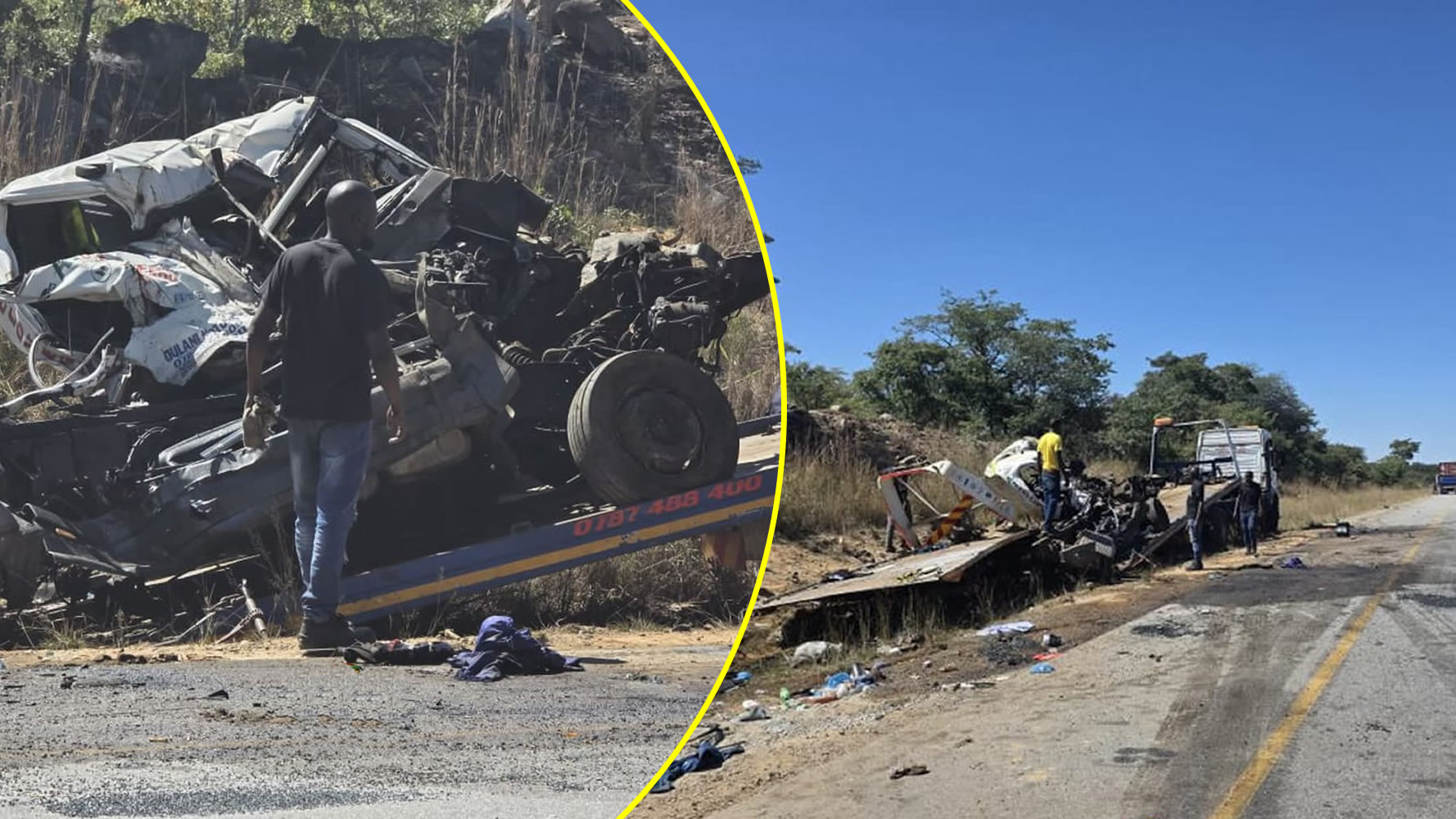
The cold mist of this Wednesday morning had barely lifted from the tarmac near Chatsworth when the familiar, sickening sound of rending metal once again tore through the silence of Zimbabwe’s busiest artery. On May 13, 2026, the Harare-Masvingo highway claimed more lives, adding fresh names to a ledger of tragedy that seems to grow longer with every passing month. Initial reports from the scene indicate that at least four people perished when a passenger bus and a heavy haulage truck collided head-on, though some local news outlets, including ZiFM Stereo, have suggested the death toll may be as high as five.
This latest incident occurred at approximately 8:00 a.m., a time when the road is typically teeming with cross-border traders, commuters, and long-haul drivers. The collision involved a bus—preliminary identified by witnesses as an Urban Connect vehicle—and a massive commercial truck. The impact was so severe that the front sections of both vehicles were reduced to a tangled heap of steel and glass, leaving emergency responders with the grim task of extricating victims from the wreckage.
For those who regularly traverse this 580-kilometre stretch connecting the capital to the South African border, the news is a hauntingly familiar refrain. The Harare-Masvingo-Beitbridge highway has long been dubbed a “death trap” by motorists and safety advocates alike. Despite the government’s ongoing efforts to dualise and rehabilitate the road, the pace of progress often feels outmatched by the sheer frequency of fatal crashes.
A Pattern of Pain
To understand the weight of this latest tragedy, one must look back at the trail of wreckage left behind in just the last few weeks. Only last month, on April 2, 2026, a horrific crash at the 246-kilometre peg wiped out six members of a single family. In that instance, a Toyota Corolla collided head-on with a Mercedes-Benz truck, killing everyone in the smaller vehicle instantly. The victims were later identified as Lilian Maranda Mujuru, 40, and her five children: Nokutenda, 15; Makanaka, 13; Ronald Junior, 11; Rufaro, 7; and a two-year-old toddler whose life was extinguished before it had truly begun.
The Mujuru family tragedy left a permanent scar on the Tynwald North community in Harare, where they resided. It served as a brutal reminder that on this highway, a single moment of miscalculation or mechanical failure can erase an entire generation. Zimbabwe Republic Police (ZRP) national spokesperson, Commissioner Paul Nyathi, in a statement following that incident, implored drivers to change their attitude.
The Statistics of Sorrow
The numbers provided by the ZRP tell a story of a national crisis that refuses to abate. During the 2026 Easter holiday period alone, 30 people lost their lives on Zimbabwe’s roads, an increase from the 24 deaths recorded during the same period in 2025. What makes these figures particularly chilling is that the total number of accidents actually decreased from 384 to 337. This suggests that while there are fewer crashes, the ones that do occur are becoming increasingly lethal.
|
Year (Easter Period)
|
Total Accidents
|
Fatalities
|
Injuries
|
|
2025
|
384
|
24
|
178
|
|
2026
|
337
|
30
|
104
|
Investigative findings from the Traffic Safety Council of Zimbabwe (TSCZ) indicate that approximately 94 per cent of these accidents are attributable to human error. Speeding, fatigued driving, and the reckless “chasing of targets” by bus drivers are frequently cited as the primary catalysts for disaster. On the Harare-Masvingo highway, these human failings are exacerbated by the road’s physical limitations. While several sections have been successfully dualised and opened to traffic, significant portions remain narrow, with crumbling edges and inadequate lighting.
The Infrastructure Dilemma
The government has invested heavily in the Harare-Masvingo-Beitbridge dualisation project, a flagship infrastructure programme under the Second Republic. On February 27, 2026, officials celebrated the opening of another significant stretch of the highway, promising that the entire project would be completed by the end of the year.
However, for many, the progress is too slow. Critics have pointed out that the “completed” sections often end abruptly, leading to confusion for drivers who suddenly find themselves transitioning from a modern dual carriageway back onto a narrow, potholed strip of asphalt. This “bottleneck effect” is believed to contribute to many of the head-on collisions that occur as drivers maintain high speeds from the dualised sections into the more dangerous single-lane areas.
Furthermore, the presence of heavy haulage trucks, often carrying goods from the port of Durban to the rest of Southern Africa, adds another layer of risk. These “behemoths of the road” are frequently involved in sideswipe accidents, particularly at night when visibility is poor and the lack of reflective markings on the older sections of the highway becomes a deadly oversight.
A Call for Accountability
As the families of the four—or possibly five—victims of the Chatsworth accident begin their journey of grief, the national conversation inevitably turns toward accountability. Is it enough to blame “human error” when the infrastructure itself remains a contributing factor?
The 2025 collision between an Urban Connect bus and an Auro Transport truck near Lutumba, which claimed 24 lives, led to a brief period of intense scrutiny of bus companies and their safety protocols. There were calls for the mandatory installation of speed limiters and tracking devices. Yet, as the Chatsworth incident proves, the lessons of the past have not yet resulted in a safer future.