


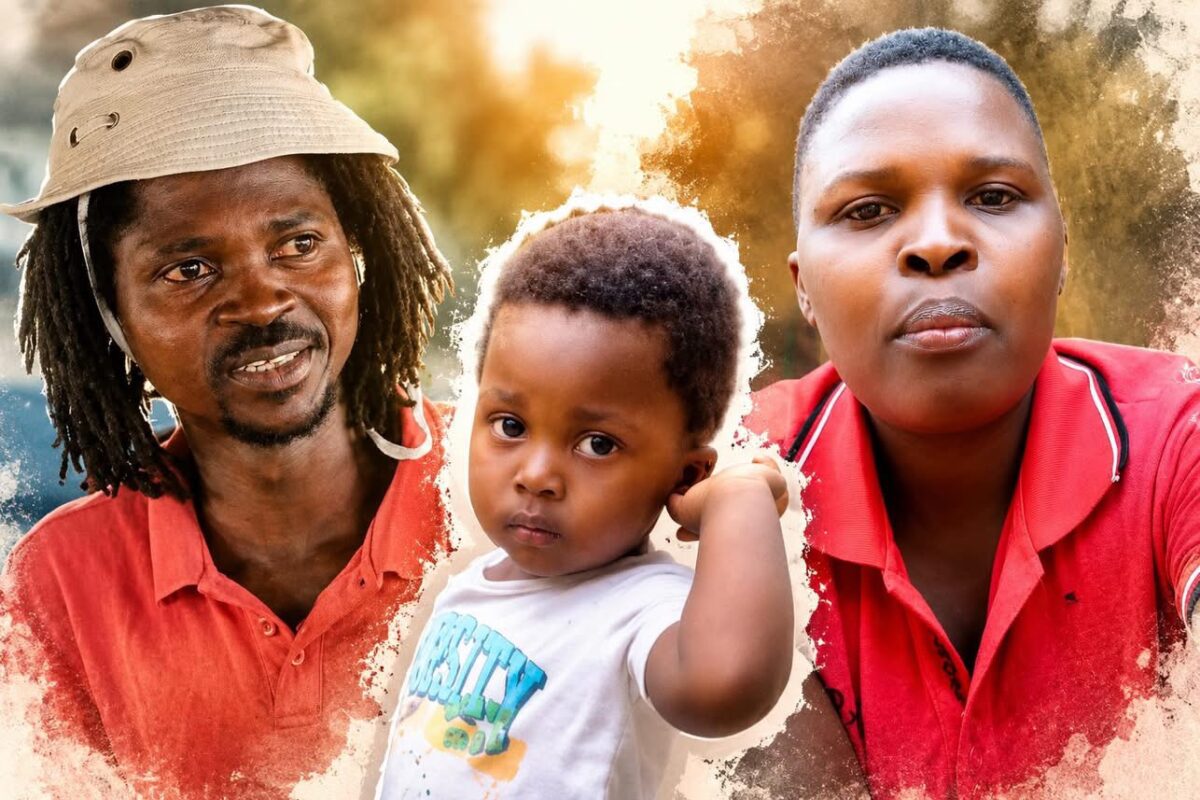
Zimbabwean Family Wiped Out in South Africa: A Double Tragedy on the N1
BELA-BELA, LIMPOPO – A Zimbabwean family has been utterly devastated by a horrific sequence of events on South Africa’s N1 highway near Bela-Bela, Limpopo, claiming the lives of Paul Masunda, his wife Beauty Shoperai, and their one-year-old son, Paul Jnr. The tragedy, which unfolded on Saturday, 9 May 2026, has left a 14-year-old son as the sole survivor, grappling with the unimaginable loss of his entire immediate family within minutes. This heart-wrenching incident has cast a harsh light on the perilous conditions faced by pedestrians on South Africa’s busy roads and reignited fierce debate surrounding the conduct of VIP protection units, often referred to as the ‘Blue Light Brigade’.
The Masunda family’s journey to South Africa, like many Zimbabweans, was driven by the desperate search for economic survival. Beauty Shoperai, 37, had settled in Bela-Bela, taking on various temporary jobs, while her husband, Paul Masunda, 44, earned a living by selling firewood. Their combined efforts were aimed at supporting their children and extended family back home in Zimbabwe. This pursuit of a better life, however, culminated in an unspeakable catastrophe that has left relatives mourning and struggling to comprehend the sudden void.
On that fateful Saturday, the family had travelled to an informal bus stop along the N1 highway, a common, albeit dangerous, rendezvous point for cross-border travellers heading to Zimbabwe. It was here that Beauty was preparing to board a bus, likely for a visit home or to transport goods. After seeing his wife onto the bus, Paul Masunda began to cross the multi-lane highway. In a cruel twist of fate, he was struck by a vehicle and killed instantly. The 14-year-old son, who was present at the scene, witnessed his father’s demise.
Moments later, the teenage boy, in a state of profound distress, telephoned his mother, Beauty, to relay the devastating news. Overwhelmed with grief and concern, Beauty immediately disembarked from the bus. With her one-year-old son, Paul Jnr, strapped to her back, she rushed back towards the scene of her husband’s accident, attempting to cross the very same treacherous highway. It was during this desperate dash that she and her infant son were tragically struck by an official state vehicle belonging to Health Minister Aaron Motsoaledi. Both Beauty and Paul Jnr died at the scene, completing the family’s annihilation.
The South African Police Service (SAPS) has confirmed the details of the accident, stating that cases of culpable homicide have been opened. The state vehicle involved in the second collision was reportedly driven by a member of the Protection Security Services, part of the Minister’s VIP protection detail. While the Health Department has indicated that Minister Motsoaledi has extended his condolences to the bereaved family, Beauty’s brother, Charles Shoperai, has voiced the family’s profound disappointment, stating that they have received no direct communication or assistance from the Minister himself. “The family hasn’t heard anything from Health Minister, Aaron Motsoaledi,” Charles was quoted as saying, highlighting a perceived lack of empathy and accountability.
Charles Shoperai, now burdened with the immense task of arranging the funerals, described his late sister as the “light of the family.” He further articulated the grim reality that drove his sister and her husband to South Africa: “We came to SA to survive.” This poignant statement underscores the broader socio-economic context that often pushes individuals into precarious situations, such as relying on dangerous informal bus stops along high-speed motorways. The 14-year-old survivor, who witnessed both his parents and baby brother perish, is understandably in a state of deep trauma. Charles confirmed the boy’s fragile mental state, stating, “He’s not good,” a stark reminder of the lasting psychological scars this tragedy will leave.
The incident has reignited public outrage over the conduct of South Africa’s ‘Blue Light Brigade’ – the VIP protection units notorious for their aggressive driving and disregard for road safety. These convoys, tasked with protecting high-ranking officials, have a troubling history of involvement in serious accidents, often attributed to excessive speed and reckless manoeuvres. In 2023, a widely publicised incident saw a ministerial convoy boxing in and assaulting a motorist. More recently, in February 2026, a South African Air Force sergeant was killed by a mayoral bodyguard convoy, further fuelling public anger. Critics argue that the ‘Blue Light Brigade’ operates with a sense of impunity, their actions frequently endangering ordinary citizens. The annual cost of maintaining these VIP protection units is estimated to be over R4 billion, a figure that many taxpayers find difficult to justify given the recurring safety concerns.
Beyond the immediate tragedy, the Masunda family’s plight highlights the significant challenges faced by Zimbabwean migrants in South Africa, particularly concerning the repatriation of deceased loved ones. The cost of transporting bodies from South Africa back to Zimbabwe is substantial, with estimates for 2026 ranging from R15,000 to R35,000 per person. For a family like the Masundas, who lived hand-to-mouth, the combined cost for three bodies could easily exceed R75,000 to R100,000 – an insurmountable sum without external assistance. Charles Shoperai has openly spoken about the family’s struggle to raise these funds, adding another layer of anguish to their already profound grief. This financial burden often forces families into desperate measures or leaves them unable to provide a dignified burial in their home country.
The N1 highway itself, particularly the stretch through Limpopo, is a known hotspot for road fatalities. Informal bus stops, like the one the Masunda family used, proliferate along this route. These stops, while convenient and often the only affordable option for cross-border travellers, force pedestrians to navigate multiple lanes of fast-moving traffic. This inherent danger contributes significantly to South Africa’s alarming road death statistics, which saw over 12,000 fatalities annually in 2024 and 2025, with pedestrians accounting for a substantial proportion. The lack of safe infrastructure and designated crossing points at these informal hubs creates a deadly environment, particularly for vulnerable individuals and families.
The double tragedy of the Masunda family serves as a stark and painful reminder of several interconnected issues: the desperate economic realities driving migration, the critical need for improved pedestrian safety on major highways, and the urgent call for accountability and reform within VIP protection services. As investigations continue into the circumstances surrounding these two fatal collisions, the surviving son and his extended family are left to pick up the pieces, facing not only immense emotional pain but also the practical and financial challenges of burying their loved ones. Their story is a powerful testament to the human cost of systemic failures and the enduring struggle for dignity and safety on South Africa’s roads.