


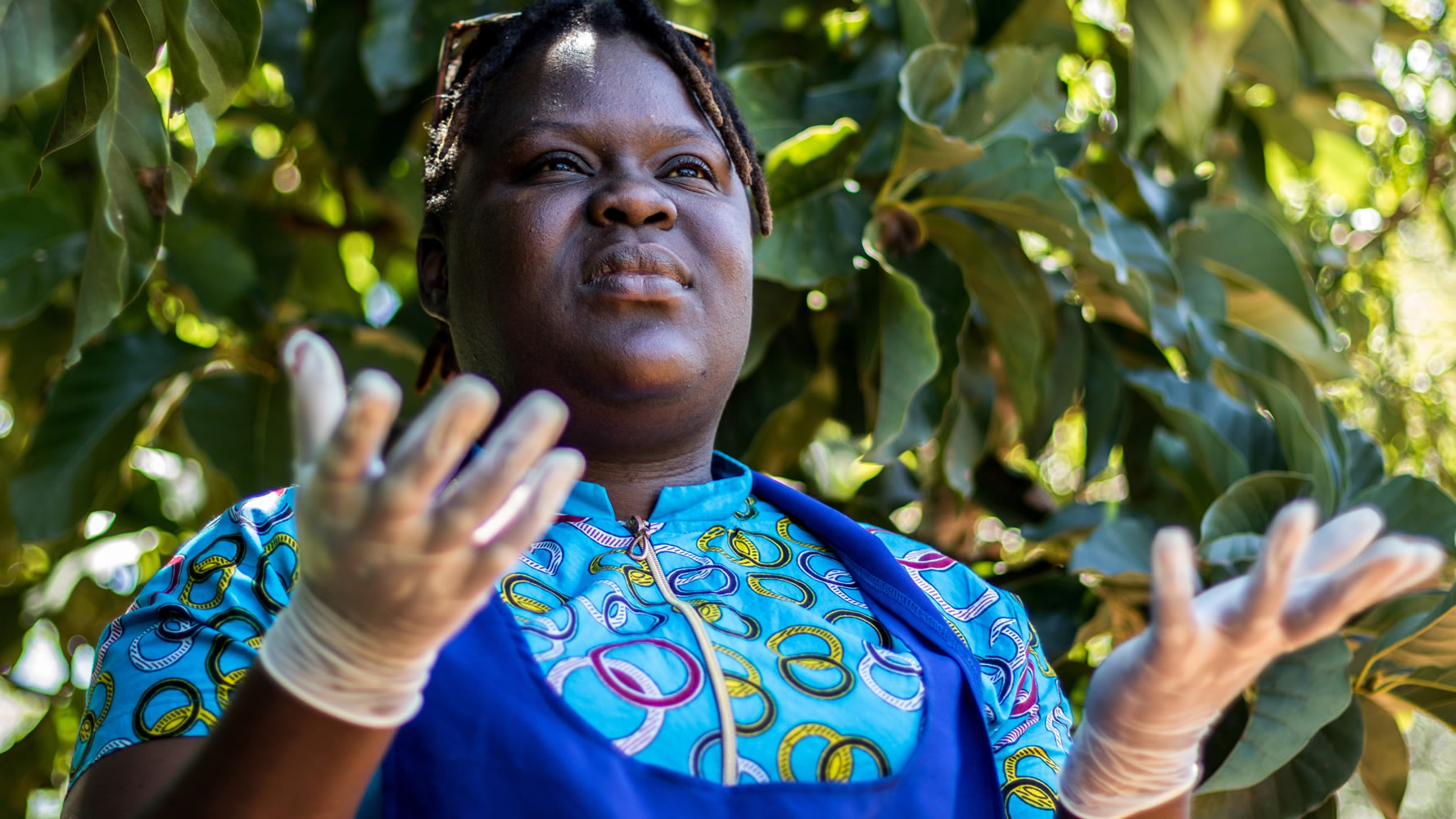
Zimbabwe Mourns the Sudden Passing of Opposition Leader Linda Masarira
Harare – The nation of Zimbabwe is grappling with the sudden and unexpected death of prominent opposition figure and Labour Economists and African Democrats (LEAD) party president, Linda Tsungirirai Masarira, who passed away at the age of 43. Her demise, confirmed by colleagues and reported by ZimLive, occurred early on Sunday, 24 May 2026, leaving many in disbelief, particularly as she had appeared in good health just days prior.
Abigale Mupambi, a close friend and associate, expressed profound sorrow, stating, “It is with deep sorrow and a heavy heart to announce the passing on of a close friend and associate, a comrade to many, LEAD president Linda Tsungirirai Masarira, today, Sunday, 24 May 2026”. Mupambi further highlighted the unexpected nature of Masarira’s death, revealing, “I was with her on Friday and we spent several hours together at my office. She was fine and there was no sign that something like this would happen”. This sentiment underscores the shock felt across political and social circles, as Masarira, despite previous health challenges, was believed to be on the path to recovery.
From the Rails to the Political Arena: Masarira’s Early Life and Activism
Born on 3 October 1982, Linda Masarira’s journey into the tumultuous world of Zimbabwean politics was far from conventional. Before her emergence as a vocal human rights defender and political leader, Masarira carved out a career in a traditionally male-dominated field: she was a train driver at the National Railways of Zimbabwe (NRZ). This early professional experience not only provided her with a unique perspective on the nation’s economic backbone but also exposed her to the struggles of the working class, shaping her nascent activism.
Her tenure at NRZ, however, was not without its challenges. In 2015, Masarira was among numerous employees who faced mass dismissals from the state-owned enterprise. This personal experience of job insecurity and economic hardship further fuelled her resolve to fight for justice and better governance. The transition from the locomotive cabin to the forefront of civil society movements marked a pivotal shift in her life, propelling her into the public eye as a fierce advocate for human rights and democratic reforms.
Masarira’s activism quickly gained momentum. She became a prominent voice against government policies, often participating in public protests that frequently led to her arrest and detention. A notable instance was in 2016 when she was imprisoned for 84 days for her involvement in anti-government demonstrations. These experiences of political persecution only solidified her commitment to challenging the status quo and championing the rights of ordinary Zimbabweans. Her unwavering spirit in the face of adversity earned her both admiration and notoriety.
The Formation of LEAD and Presidential Ambitions
Driven by a desire to effect change from within the political system, Linda Masarira founded the Labour Economists and African Democrats (LEAD) party. Under her leadership, LEAD aimed to offer an alternative political ideology focused on economic empowerment and democratic principles. Masarira herself harboured presidential ambitions, contesting in the 2023 general elections. However, her bid was ultimately thwarted when she was disqualified from the final presidential ballot due to her inability to pay the requisite registration fee (from US$1,000 to US$20,000). This setback, which also affected another female candidate, Elisabeth Valerio, highlighted the significant financial barriers faced by opposition figures, particularly women, in Zimbabwe’s political landscape.
Despite the challenges, Masarira remained a persistent voice, advocating for greater women’s participation in governance and criticising the patriarchal structures that often marginalise female politicians. In an interview with The Herald, she articulated her party’s mission to depolarise the minds of Zimbabweans, encouraging them to focus on service delivery and their best interests rather than rigid political affiliations. She emphasised the importance of empowering women to speak out on governance issues, noting that women are often under-represented and used for patriarchal gatekeeping in political parties.
Navigating the Complexities of Zimbabwean Politics: POLAD and Zanu PF Proximity
Linda Masarira’s political journey was marked by a series of decisions that often drew both support and criticism, particularly her involvement with the Political Actors Dialogue (POLAD). POLAD, an initiative by President Emmerson Mnangagwa, brought together leaders of various political parties that contested the 2018 presidential elections. While proponents argued it was a platform for dialogue and national cohesion, critics viewed it as a mechanism to legitimise Mnangagwa’s presidency and dilute the opposition. Masarira’s participation in POLAD led to accusations of being too close to the ruling Zanu PF party, a charge she consistently denied, maintaining that her engagement was for the betterment of Zimbabwe.
Her stance on the Constitutional Amendment Bill No. 3 (CAB3) further fuelled these perceptions. In May 2026, just days before her untimely death, LEAD, under Masarira’s leadership, conditionally backed CAB3. She argued that while the reform would backfire without simultaneous proportional representation changes, the current presidential election system had become “excessively toxic, divisive, violent, expensive, and destabilizing,” citing political violence, torture, militarised communities, and loss of life as recurring features of each electoral cycle. This conditional support, while framed as a pragmatic approach to electoral reform, was interpreted by some as aligning with the government’s agenda.
Adding to the complexity of her political image was her reported endorsement of a presidential term extension. While the exact context and conditions of this endorsement require further clarification, such a position would inevitably draw the ire of those advocating for democratic checks and balances and limited presidential terms. These actions, whether strategic or principled, positioned Masarira as a figure who was willing to engage with the ruling party, even if it meant facing accusations of compromise from segments of the opposition.
A History of Health Challenges and a Sudden End
Despite her vibrant political activity, Linda Masarira had reportedly been battling poor health for some time. While details of her specific ailments were often kept private, there were instances of her hospitalisation that occasionally surfaced in the public domain. In May 2024, she was discharged from hospital, and in December 2018, her hospitalisation became a matter of public discussion, with her spokesperson stating it was a private matter. These episodes hinted at underlying health issues that she managed alongside her demanding political career.
The suddenness of her passing, therefore, came as a profound shock. Her friend, Abigale Mupambi, attested to Masarira’s seemingly good health just two days before her death, stating she was “fine and there was no sign that something like this would happen”. This tragic turn of events leaves many questions unanswered regarding the exact cause of her death, especially given her relatively young age and recent public appearances that showed no overt signs of severe illness.
Legacy of a Fearless Advocate
Linda Masarira’s death leaves a void in Zimbabwe’s political landscape. She was a figure who defied easy categorisation, navigating the treacherous waters of opposition politics with a unique blend of defiance, pragmatism, and a fierce commitment to what she believed was right for her country. From her early days as a train driver to her rise as an opposition leader, Masarira consistently championed the rights of the marginalised and challenged the powerful.
Her legacy will undoubtedly be debated, with some remembering her as a fearless human rights activist who endured imprisonment and harassment for her beliefs, while others may focus on her controversial political alignments and engagement with POLAD. Regardless of differing perspectives, her impact on Zimbabwean civil society and politics is undeniable. She was a woman who refused to be silenced, a voice that, even in death, will continue to resonate in the ongoing struggle for democracy and justice in Zimbabwe.