


High Court Challenge Threatens to Halt Zimbabwe’s Controversial CAB 3 Amidst Escalating Intimidation
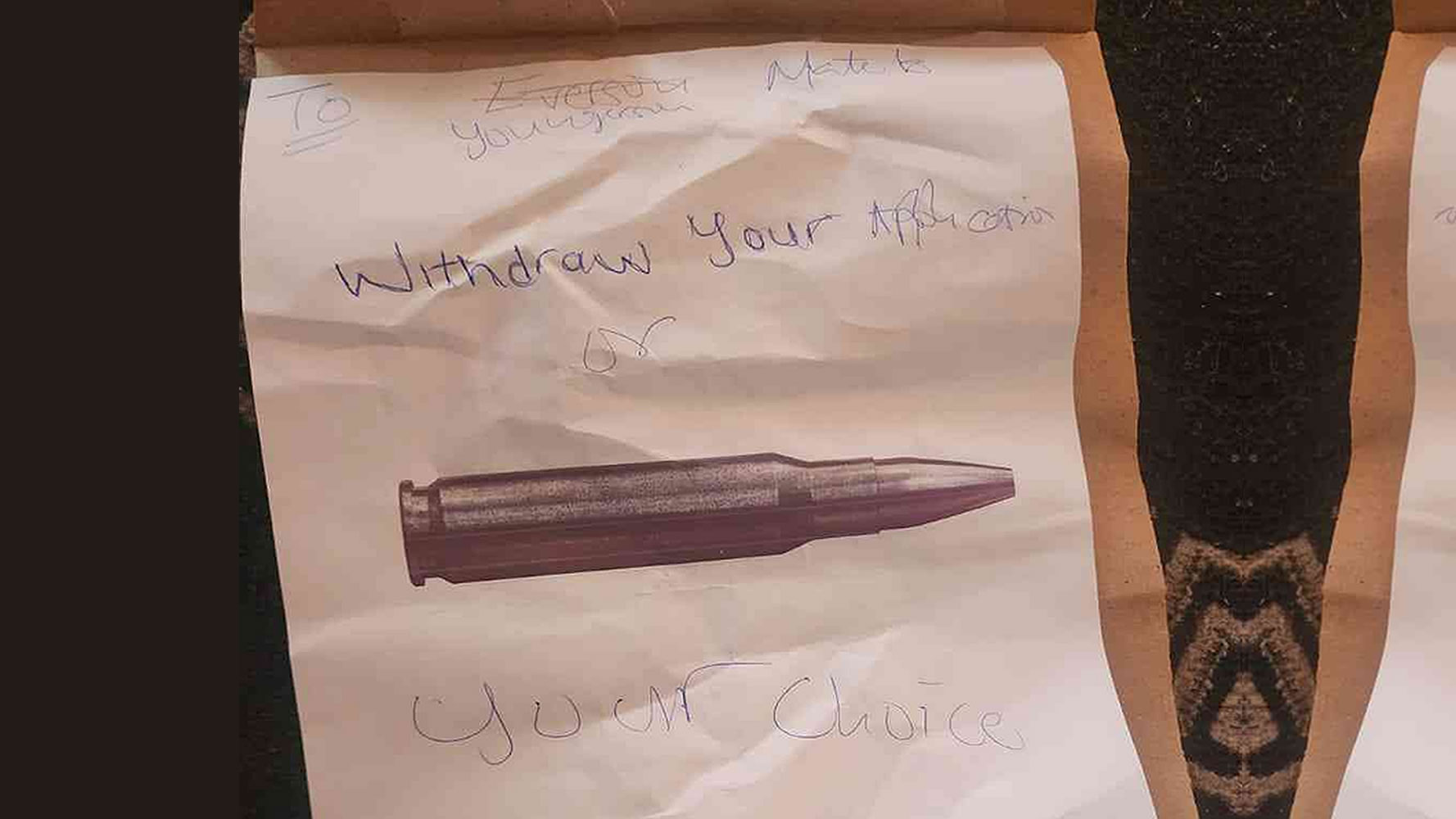
Harare – A political scientist’s audacious High Court challenge is poised to become the most significant legal hurdle yet for Zimbabwe’s contentious Constitution Amendment Bill No. 3 (CAB 3), a legislative effort that has ignited widespread opposition and drawn accusations of undermining democratic principles. The challenge, lodged by civic activist Youngerson Matete, seeks to compel a national referendum on key provisions of the Bill, a move that could effectively halt its progression into law. This legal battle unfolds against a backdrop of escalating intimidation, with Matete himself reportedly receiving a chilling ‘bullet parcel’ and another activist facing death threats for opposing the amendments.
The proposed constitutional changes, widely seen as an attempt to consolidate power and extend political terms, have exposed deep divisions within Zimbabwe’s political landscape. Critics argue that CAB 3 fundamentally alters the nation’s democratic framework without adequate public consultation, raising urgent questions about parliamentary impartiality, legislative legitimacy, and the integrity of the constitutional reform process.
A Climate of Fear: Threats and Intimidation Against Activists
The legal and political struggle over CAB 3 has been marred by disturbing reports of intimidation and threats against those who dare to oppose the Bill. Youngerson Matete, the political scientist behind the High Court challenge, reportedly received a ‘bullet parcel’ delivered to his doorstep with a message advising him to withdraw his application. Matete told NewsDay that an unknown person delivered the bullet late in the afternoon, adding that he was not moved by the intimidation as he remained committed to the “struggle”.
In a separate incident, Joelson Mugari, National Democratic Working Group chief national organiser and National Electoral Reform Agenda convener, also reportedly received death threats from an anonymous caller. The threats followed his notification letter to the police seeking clearance for a peaceful demonstration at the New Parliament building in Mt Hampden against the Bill. Mugari confirmed receiving the “chilling” call from an unknown number, which explicitly warned that he would “die in prison or expect a bullet in his head” if he proceeded with the planned mobilisation. He further alleged, “Two days ago, police raided my house in Zengeza 2. They just wanted me in person, without giving a reason. I suspect the work of Zanu PF thugs hiding behind the police”. National police spokesperson Commissioner Paul Nyathi, however, stated that they had not received reports of threats, urging anyone who received such messages to report the matter to the nearest police station.
These incidents echo a long and troubling history of intimidation against activists and opposition figures in Zimbabwe. Past reports from organisations like Human Rights Watch have documented state-sponsored violence and threats against those perceived to be opposing the ruling party. The Committee to Protect Journalists also reported on similar incidents of threats involving bullets and ominous messages in the past. Such tactics create a climate of fear, aiming to silence dissent and stifle legitimate democratic processes.
The Contentious Heart of CAB 3: A Bid for Extended Power?
Constitution Amendment Bill No. 3, gazetted in February 2026, proposes a series of sweeping changes to Zimbabwe’s constitutional and electoral framework. These amendments have been met with fierce resistance from civil society organisations, opposition parties, and constitutional experts who contend that they are designed to benefit the ruling elite at the expense of democratic governance. Among the most controversial provisions are:
- Extension of Terms of Office: The Bill seeks to extend the terms of office for the President, Members of Parliament, and local authorities from five years to seven years. This particular provision has drawn widespread criticism, with opponents arguing it is a thinly veiled attempt to prolong President Emmerson Mnangagwa’s tenure without due democratic process.
- Abolition of Direct Presidential Elections: Perhaps the most radical proposal, CAB 3 aims to replace direct presidential elections with a system where the President is elected by Members of Parliament. This change would effectively disenfranchise millions of Zimbabwean voters, stripping them of their fundamental right to choose their head of state directly.
- Transfer of Voter Registration Duties: The Bill proposes transferring voter registration duties from the independent Zimbabwe Electoral Commission (ZEC) to the Registrar-General, a move that critics fear could compromise the integrity and impartiality of the electoral process.
- Creation of a Separate Zimbabwe Electoral Delimitation Commission: This new commission would be responsible for delimiting electoral boundaries, raising concerns about potential gerrymandering and manipulation of electoral districts.
- Increase in Appointed Senators: The Bill suggests increasing the number of appointed senators, which could further concentrate power within the ruling party and diminish the representative nature of the Senate.
- Dissolution of the Gender Commission: CAB 3 proposes dissolving the Gender Commission and merging its functions into the Zimbabwe Human Rights Commission, a move that some fear could dilute efforts to promote gender equality.
These proposed changes have fuelled public outcry, with many demanding that such fundamental alterations to the nation’s supreme law be subjected to a national referendum, ensuring direct public approval as stipulated by Section 328 of the Constitution.
Youngerson Matete’s High Court Gambit: A Strategic Constitutional Roadblock
At the forefront of the legal battle is Youngerson Matete, a civic activist, mechanical engineer, and political scientist, who has petitioned the High Court to halt the enactment and implementation of clauses 4, 9, and 10 of CAB 3. Matete’s central argument is that these provisions fundamentally alter Zimbabwe’s democratic structure and, as such, require direct public approval through a referendum.
Matete’s application, filed against the Parliament of Zimbabwe, President Emmerson Mnangagwa, Justice Minister Ziyambi Ziyambi, the Zimbabwe Electoral Commission, and the Attorney-General, has been lauded by legal experts and commentators. A Twitter user operating under the pseudonym ‘ZVAMAINGA MUHONDO @Muswatadzi’, who describes himself as a “Politics | Strategy | Law | Freedom Fighter,” commended Matete for lodging what he called a “powerful and well crafted application for a declaratory order at the High Court”.
Youngerson Matete: A Profile in Unwavering Activism
Youngerson Yahwe Matete is not a newcomer to the realm of civic activism. He is a Zimbabwean civic activist and political scientist with a distinguished history of advocating for democratic participation. He is the founder and executive director of Project Vote 263, a non-partisan organisation dedicated to mobilising young people to register to vote and participate in elections. In 2021, Project Vote 263 set an ambitious target of registering three million young voters ahead of the general elections, actively working with local leaders to help citizens obtain identity cards necessary for voter registration.
Despite holding a technical qualification in Mechanical Engineering from Harare Polytechnic, obtained in 2014, Matete has described himself as a qualified Class 1 fitter who became a full-time vendor due to the collapse of Zimbabwe’s industrial sector. This personal experience offers a poignant reflection of the country’s economic challenges and perhaps fuels his commitment to democratic reform.
His dedication to civic engagement extends further. Matete is an alumnus of the 2023 Mandela Washington Fellowship, a flagship programme of the Young African Leaders Initiative (YALI), a U.S. government initiative that brings young leaders from Sub-Saharan Africa to American universities for leadership training. His involvement in civic activism also includes founding the National Constitutional Movement, the School of Governance and Center for Democracy, and the Africa Network for Democracy. He has been recognised by the Giraffe Heroes Project, an organisation that honours individuals who take personal risks for the common good, and is also a member of the Global Peace Chain. Matete has co-authored opinion pieces in The Zimbabwe Independent and The Standard with Liam Kanhenga, focusing on opposition politics and democratic change in Zimbabwe. His unwavering commitment to constitutionalism and democratic principles makes him a formidable opponent to the CAB 3 agenda.
A Meticulously Crafted Legal Strategy
‘ZVAMAINGA MUHONDO’ highlighted several key aspects of Matete’s meticulously crafted legal strategy:
- The Framing: Widest Possible Doorway: Matete approaches the High Court under Sections 85, 171, and 175 of the Constitution. This is described as the “widest possible doorway” for legal recourse. Section 85 grants standing to any person alleging a violation of the Bill of Rights, Section 171 vests the High Court with jurisdiction over civil and criminal matters, and Section 175 empowers the High Court to make declaratory orders. This broad jurisdictional base is deliberate, aiming to deprive the respondents of any argument regarding Matete’s lack of standing or the court’s authority. The comprehensive list of respondents ensures that “every state organ with a role in the passage, enactment, or implementation of #CAB3 is cited. No institutional actor is left outside the reach of the order sought. The net is cast wide”.
- The Question Presented: A Procedural, Not Political, Inquiry: Crucially, Matete does not ask the court to delve into the merits of CAB 3 or the succession dispute within Zanu PF. Instead, he poses a “narrowest, most legally potent question available: do clauses 4, 9, & 10 of #CAB3 fall within the ambit of provisions protected under Section 328, and can they lawfully be amended without a national referendum?”. This focuses the court on the procedural question – the process by which the amendments are being pursued – rather than the political implications.
- The Legal Foundation: Section 328 and Term-Limit Provisions: The application rests firmly on Section 328 of the Constitution. Section 328(1) defines a term-limit provision as “a provision of this Constitution which limits the length of time that a person may hold or occupy a public office.” Section 328(7) is a critical safeguard, stating that an amendment to a term-limit provision, the effect of which is to extend the length of time a person may hold office, does not apply to any person who held that office before the amendment. This is described as a “shield” that is self-executing and does not require a referendum to activate. Matete’s case argues that clauses 4, 9, and 10 of CAB 3 amend Sections 95(2), 143(1), and 158(1), which govern the length of the presidential term, the life of Parliament, and the electoral cycle. If these are indeed term-limit provisions under Section 328(1), then the “shield is engaged,” meaning the amendment cannot apply to the incumbent President or the current Parliament without a referendum.
- The Relief Sought: Comprehensive and Enforceable: Matete seeks four specific orders from the High Court:
- A declaratory order that clauses 4, 9, and 10 fall within the ambit of Section 328 and cannot be amended without a referendum.
- A declaration that any attempt to enact those clauses without a referendum would be unconstitutional and void.
- An interdict barring Parliament, the President, and the Minister of Justice from taking any further steps toward enactment unless and until a referendum is held.
- A direction to the Zimbabwe Electoral Commission to facilitate and conduct that referendum.
This comprehensive relief aims to actively enjoin every state actor involved in the amendment process from proceeding further and compels the electoral commission to prepare for a referendum, leaving no room for circumvention.
The Strategic Timing:
- Coordinated Intervention: Matete’s application was filed on 20 May 2026, coinciding with the very day the Constitutional Court heard oral arguments in the Madhuku matter, which challenges the President’s conduct in presiding over Cabinet approval of an amendment from which he would personally benefit. This timing is not coincidental but a clear demonstration of coordinated strategic litigation. As ‘ZVAMAINGA MUHONDO’ explains, “The two applications attack the same edifice from different angles. The Madhuku application is the frontal assault on the validity of the process. The Matete application is the flanking manoeuvre against the legality of the outcome. If either succeeds, #CAB3 is halted. If both succeed, the amendment is dead on arrival”. This coordinated approach forces the “Cabal’s” lawyers to fight on two fronts, before two different courts, with two different legal standards, and two different timelines, extending the timeline and injecting uncertainty into the parliamentary process.
Parliament Under Scrutiny: A Disputed Debate
The parliamentary proceedings surrounding CAB 3 have themselves become a focal point of controversy. Opposition legislators were reportedly denied a fair chance to air their views on the proposed changes in the National Assembly, with critics drawing parallels to disputed public hearings held last month. Speaker Jacob Mudenda came under fire after opposition legislators were blocked from debating the controversial Bill, in what critics described as a process mirroring the biased public hearings.
Throughout the proceedings, opposition MPs repeatedly complained that Mudenda was overlooking them while Zanu PF legislators were given ample opportunity to contribute to the debate. The session was marked by frequent disruptions and heckling from ruling party lawmakers whenever opposing views were raised. Citizens Coalition for Change (CCC) legislators also accused self-imposed secretary-general Sengezo Tshabangu of removing their names from the list of MPs expected to debate the Bill, effectively barring MPs opposed to the amendments from participating in the discussion. These scenes resembled parliamentary public hearings conducted across the country recently, which were criticised for allegedly favouring supporters of the Bill while limiting opportunities for citizens opposed to the constitutional changes to make submissions.
Constitutional law expert Lovemore Madhuku castigated Mudenda, accusing him of abdicating his constitutional duty to preside impartially over parliamentary proceedings. “I warned people that Mudenda was just a secretary-general of Zanu PF,” Madhuku said, adding, “I saw what he was doing yesterday and today. There is nothing like a list of those who should debate. Chief whips are not there for the purpose of deciding who should speak or should not speak. They are not co-chairs of proceedings”. Madhuku argued that the decision on who is recognised to debate rested solely with the Speaker and not party structures, concluding, “What it means is that Mudenda has abdicated his responsibilities, which is not surprising because this is a Zanu PF secretary-general managing a process that is supposed to deliver what he would have discussed with his party”.
Former CCC leader Nelson Chamisa also weighed in, stating that the credibility of the constitutional amendment process had been compromised by the institutions managing it. “You don’t expect credibility from a discredited institution. You can’t expect a promise from a compromised institution. An illegitimate process cannot produce legitimacy,” Chamisa said. He further alleged that legislators were compromised through material inducements, making it difficult for them to objectively consider the proposed amendments. “There has been contamination, corruption and pollution of most of our MPs through being given trinkets, money, farms, mines, vehicles and various promises. That contaminates their objectivity,” he claimed.
Internal Dissent: Zanu PF’s Factional Fault Lines
While the public narrative often portrays a unified front in favour of CAB 3, underlying tensions and factional divides within the ruling Zanu PF party suggest a more complex reality. The provided information highlights that only a fraction of Zanu PF is actively rallying behind CAB 3, with a significant portion of Zimbabweans, and even some within the party, opposing it.
Further evidence of this internal dissent emerged with a statement from a group of retired generals and former senior civil servants, led by retired Air Marshal Henry Muchena. Muchena revealed that two meetings held with President Mnangagwa last month failed to convince him to reconsider the controversial Bill. According to Muchena, when the delegation warned Mnangagwa about the political and constitutional consequences of the proposed amendments, the President’s response was: “Whoever wins, wins”. Muchena interpreted this as laying “bare the contempt with which the constitutional concerns of citizens and members of our party are regarded at the highest level of executive authority”. He also warned legislators that those who support the proposed amendments will be judged harshly by voters and history, stating, “The electorate is watching. History is watching. Every Zimbabwean will remember those who chose personal enrichment over constitutional duty”.
Gideon Chitanga, a visiting researcher at Ludwig Maximilians University in München, Germany, described the former generals’ statement as the “clearest, most determined” deviation from CAB 3 within Zanu PF. He suggested that the statement indicated Mnangagwa was the main actor behind CAB 3, possibly with financial backing and convergent business interests. Chitanga added, “I think it points to a breaking point after months of tension about succession. So, clearly, in the eyes of the retired generals and senior civil servants who are part of this group of protagonists, CAB 3 is designed by President Mnangagwa to preserve, extend and consolidate his rule, and they are totally opposed to that process”. He concluded that the fight would be
located in several sites in the coming weeks.
The Broader Implications: A Threat to Constitutionalism?
The ongoing saga surrounding CAB 3 and the fervent opposition it has generated underscore a critical juncture for Zimbabwe’s constitutional democracy. The attempts to amend fundamental aspects of the Constitution without broad public consensus, coupled with allegations of parliamentary manipulation and intimidation of activists, raise serious concerns about the future of democratic governance in the country.
Constitutional experts and civil society organisations have consistently argued that a constitution is not merely a legal document but a social contract between the government and its people. Any significant alteration to this contract, particularly those that impact fundamental rights and the structure of governance, should ideally be a product of extensive public consultation and, where necessary, direct public approval through a referendum. The current process, as described by its critics, appears to bypass these crucial democratic safeguards, potentially eroding public trust in state institutions and the rule of law.
The proposed changes, if enacted, could have far-reaching consequences. The extension of presidential and parliamentary terms, coupled with the abolition of direct presidential elections, could concentrate immense power in the executive and legislative branches, diminishing accountability and the voice of the electorate. The transfer of voter registration duties and the creation of a new delimitation commission also raise fears of electoral manipulation, potentially undermining the fairness and credibility of future elections.
Furthermore, the reported intimidation and threats against activists like Youngerson Matete and Joelson Mugari highlight a worrying trend of shrinking civic space and suppression of dissent. A healthy democracy thrives on open debate, freedom of expression, and the ability of citizens to hold their leaders accountable without fear of reprisal. When those who advocate for constitutionalism and democratic principles face threats to their safety, it signals a dangerous erosion of fundamental freedoms.
The Path Forward: Legal Battles and Public Pressure
The immediate future of CAB 3 now hinges significantly on the outcome of Matete’s High Court challenge and other related legal actions. The coordinated strategic litigation, as highlighted by ‘ZVAMAINGA MUHONDO’, aims to create multiple legal fronts against the Bill, increasing the chances of its derailment. The courts are now tasked with the weighty responsibility of interpreting the Constitution and upholding its integrity in the face of significant political pressure.
Beyond the legal arena, public pressure remains a crucial factor. The widespread opposition from civil society, opposition parties, and even elements within the ruling party demonstrates a strong desire among many Zimbabweans to safeguard their constitutional rights and democratic institutions. Continued mobilisation, peaceful protests, and advocacy efforts will be vital in ensuring that the voices of the people are heard and that their concerns are not dismissed.
The unfolding events surrounding CAB 3 serve as a stark reminder of the constant vigilance required to protect democratic gains and uphold constitutionalism. The actions of individuals like Youngerson Matete, who bravely stand against what they perceive as an assault on the nation’s foundational laws, are critical in shaping the trajectory of Zimbabwe’s democratic journey. The world watches to see whether the rule of law will prevail and whether the will of the people will ultimately determine the future of their constitution.