


Bulawayo – A harrowing incident has cast a sombre shadow over the Makokoba community in Bulawayo, as a 19-year-old woman, Praise Chibwanda, faces charges following the discovery of her newborn twins, allegedly burnt and abandoned at a refuse site. The tragic event has brought to the fore the escalating crisis of baby dumping in Zimbabwe, prompting urgent calls for societal introspection and enhanced support systems for vulnerable young mothers.
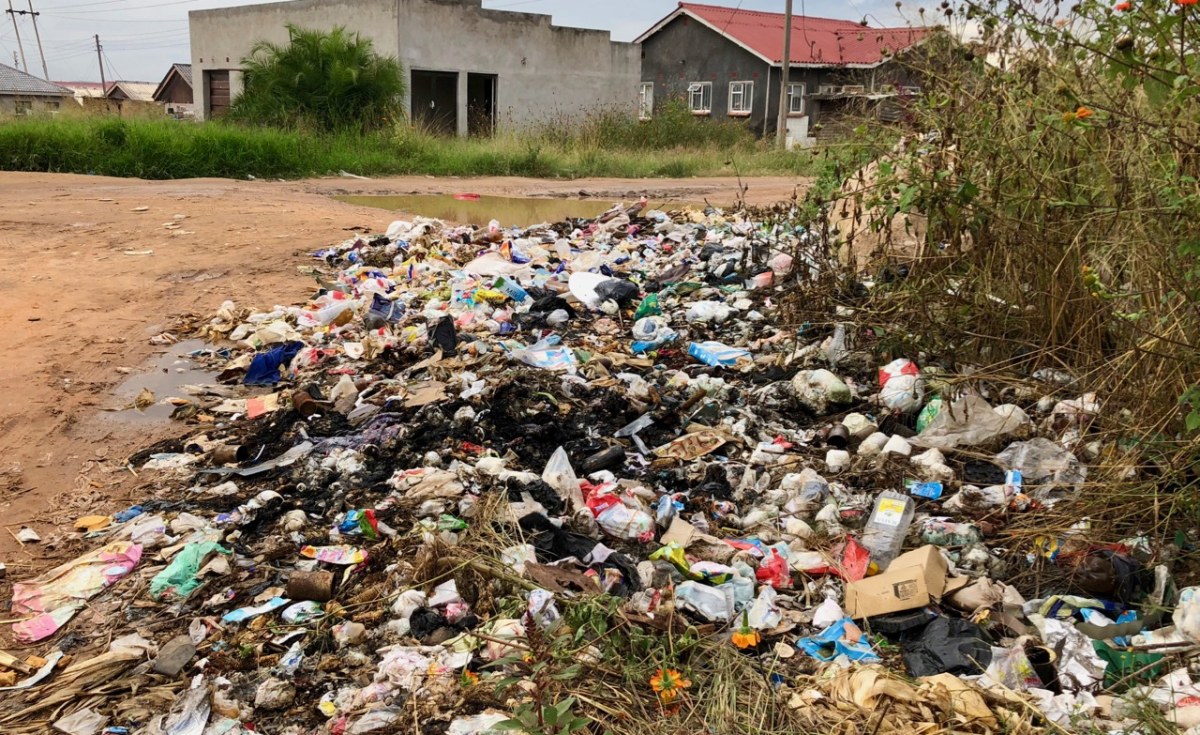
The grim discovery was made at an illegal dumping site by local residents, who were confronted with a scene of unimaginable horror. Mrs. Elina Malunga, a resident of the area, recounted her shock. “This incident was horrific. Newborn babies were dumped near my yard and burned. Why would a mother do such a thing to her children?” she questioned, her words echoing the disbelief and anguish felt throughout the community.
Bulawayo provincial police spokesperson, Inspector Nomalanga Msebele, confirmed the arrest of Ms. Chibwanda and provided details of the investigation. According to Insp. Msebele, the sequence of events unfolded on 23 May when a Makokoba resident went to their garden to burn rubbish. While using a rake to gather the waste, which had not all burnt, they noticed a blue paper bag. The bag, upon being torn, revealed its horrific contents: two babies. The resident immediately informed neighbours, and the matter was reported to Mzilikazi Police Station, leading to Ms. Chibwanda’s arrest.
This incident is not an isolated one but rather a stark indicator of a disturbing trend. Cases of newborn babies being abandoned are reportedly on the increase in Bulawayo and across Zimbabwe. Just two months prior to this tragedy, local police were investigating another distressing case involving a newborn son found covered with branches near the Khami Prison Complex. In that instance, the child was discovered by residents and promptly taken to hospital for medical attention, highlighting a recurring pattern of desperation among new mothers.
The Legal and Social Landscape of Infanticide and Concealment of Birth
The legal framework in Zimbabwe distinguishes between infanticide and concealment of birth, with varying penalties depending on the circumstances and intent. Infanticide, under Section 48 of the Criminal Law (Codification and Reform) Act [Chapter 9:23], typically applies when a mother causes the death of her child within six months of birth while her mind is disturbed due to not having fully recovered from the effect of giving birth or of lactation. Concealment of birth, on the other hand, pertains to the act of disposing of a child’s body with the intent to conceal its birth, regardless of whether the child was born alive or dead.
These legal distinctions often reflect the complex psychological and social pressures faced by women in such situations. However, the rising number of cases suggests that legal deterrents alone are insufficient to address the root causes of this phenomenon. Social factors, including poverty, lack of support, and the profound stigma associated with out-of-wedlock pregnancies or inability to care for a child, play a significant role. Young women, particularly teenagers, often find themselves in desperate circumstances, lacking the resources, education, or familial support to navigate an unplanned pregnancy.
A Wider African and Global Concern
The issue of baby dumping and infanticide extends beyond Zimbabwe’s borders, presenting a grave concern across the African continent and globally. In many African nations, similar socio-economic pressures and cultural stigmas contribute to these tragic occurrences. For instance, in Namibia, the government took a significant step in 2019 by decriminalising ‘baby dumping’ and encouraging women to leave unwanted infants in designated ‘baby-saver boxes’ in safe places. This approach aims to reduce the number of abandoned babies who die from exposure or violence, acknowledging the complex realities faced by mothers.
South Africa also grapples with a high incidence of child abandonment, often linked to poverty, restrictive abortion laws, and a lack of awareness about safe alternatives. Studies from Nigeria highlight the emergence of ‘baby factories,’ where young women are held captive and forced to give birth, with their infants then sold, further complicating the issue of child abandonment and exploitation. These examples underscore a broader pattern where societal failures to provide adequate support, education, and healthcare contribute to the desperation that leads to such acts.
Globally, an estimated 140 million children are forcefully displaced or at risk of abandonment due to poverty, social stigma, or crises. The psychological factors contributing to baby dumping and infanticide are multifaceted, often involving severe psychological distress, trauma, and a feeling of hopelessness. Economic stressors, particularly for single mothers in informal economies, exacerbate these challenges, pushing individuals to make irreversible decisions.
Addressing the Root Causes and Seeking Solutions
The tragic case of Praise Chibwanda and the increasing number of baby dumping incidents in Bulawayo serve as a poignant reminder of the urgent need for comprehensive interventions. Addressing this crisis requires a multi-pronged approach that goes beyond punitive measures.
Key areas for intervention include:
- Enhanced Sexual and Reproductive Health Education: Providing comprehensive and accessible education to young people about contraception, safe sex practices, and the responsibilities of parenthood can help reduce unplanned pregnancies.
- Accessible Support Systems: Establishing and promoting safe havens, counselling services, and support groups for pregnant women and new mothers, particularly those in crisis, can offer alternatives to abandonment. These systems should provide both emotional and practical support, including access to healthcare, housing, and financial assistance.
- Community Awareness and Destigmatisation: Campaigns aimed at reducing the stigma associated with unplanned pregnancies and single motherhood can encourage women to seek help rather than resort to desperate measures. Fostering a more compassionate and understanding community environment is crucial.
- Legal Reform and Alternatives: While legal frameworks are necessary, a review of existing laws to ensure they are rehabilitative rather than solely punitive, and the exploration of alternatives like safe surrender sites, could save lives.
The incident in Makokoba is a stark wake-up call for Bulawayo and Zimbabwe as a whole. It underscores the critical importance of addressing the underlying societal issues that drive such desperate acts. Only through a concerted effort involving government, civil society, communities, and families can a supportive environment be created where every child is valued and every mother is empowered to make choices that protect both her and her offspring.