


The Price of Blood: How a 30-Year-Old Ghost is Wiping Out a Zimbabwean Dynasty
NYANGA – In the mist-shrouded highlands of Nyanga, where tradition runs as deep as the mountain gorges, the name Daniel Masamvu was once synonymous with success. A prominent polygamist with nine wives and sixty-seven children, Masamvu stood as a titan of his community, a man whose wealth and sprawling family were seen as marks of divine favour. But today, that empire is crumbling, and his own kin claim the cause is not economic hardship or poor management, but the restless, angry spirit of a man beaten to death on a lonely road more than three decades ago.
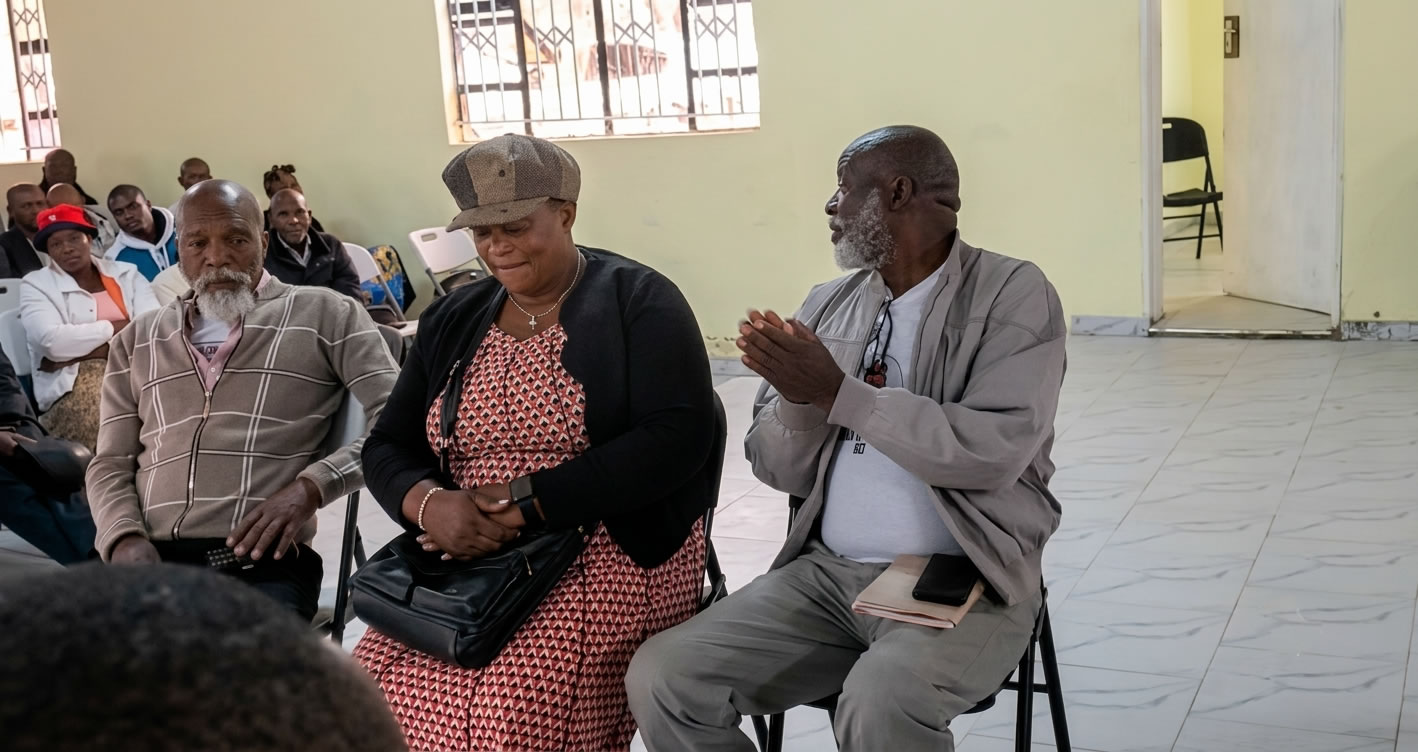
The Masamvu family has been thrust into a public and painful reckoning at Chief Mutasa’s community court. It is a story of “ngozi” – the Shona belief in an avenging spirit that returns to haunt the living until justice is served or compensation is paid. For the Masamvu clan, the price of silence since 1992 has allegedly been their entire fortune.
A Roadside Reprimand Turned Tragic
The origins of this spiritual siege date back to a dark night in 1992. According to testimony brought before the court by family representative Liziria Masamvu, Daniel and a friend encountered a man sleeping on the road. What followed was a confrontation that crossed the line from a “reprimand” into a fatal assault. The victim later succumbed to his injuries, his identity and his death buried for years under a veil of family secrecy.
“Our brother admitted before family members that an incident occurred in 1992 involving a man who later died. He explained that they found a person lying on the road and confronted him. What was meant to be a reprimand allegedly turned tragic when the man lost his life,” Liziria told the court, his voice heavy with the weight of thirty years of guilt.
For decades, the secret held. But while the legal system may have been bypassed, the spiritual world, according to Shona tradition, never forgets. The family of Daniel’s friend, who was also involved in the 1992 incident, began to experience a series of unexplained deaths and misfortunes years ago. Unlike Daniel, they sought answers through traditional consultations.
“The friend’s family eventually performed appeasement rites after consultations revealed an avenging spirit. Since then, our own family has continued to experience problems, which many believe are linked to the same unresolved matter,” Liziria explained.
The Decline of a Cattle Empire
The Masamvu patriarch, J.T. Masamvu, stood before the Chief to describe a slow-motion catastrophe that has eroded the family’s standing. Once known as “successful businesspeople,” the family has watched their wealth evaporate. Cattle have died, businesses have failed, and the once-vibrant Masamvu homestead has become a place of mourning and setback.
“For many years we knew nothing about this matter. We were once known as successful businesspeople, but our family fortunes gradually declined. We experienced deaths, hardships and setbacks that many believe were connected to this unresolved issue,” J.T. Masamvu lamented.
The patriarch claimed that the truth only surfaced after the accomplice’s family performed their own ceremonies, effectively “releasing” the spirit to focus its full, unappeased fury on the Masamvu household. When confronted with these spiritual revelations, Daniel allegedly acknowledged that “an incident” had indeed occurred, but his willingness to make amends has since stalled.
“We then agreed that until the matter was resolved, he could not continue serving as the family’s heir,” J.T. Masamvu added, highlighting the internal coup that has stripped Daniel of his leadership role within the clan.
The Defendant’s Denial
Daniel Masamvu, however, is not going down without a fight. Facing his brothers and the weight of tradition, he has questioned the very jurisdiction of the court. He argues that the case is already being handled under Chief Saunyama’s jurisdiction and should not be “double-trailed” in Chief Mutasa’s court.
“This matter is already before Chief Saunyama’s court. I do not understand why there is a desire to have it heard elsewhere. My position is that it should remain where it was initially reported and be concluded there,” Daniel told the court firmly.
Beyond the legal technicalities, Daniel flatly denies the most serious charges. He insists that he never intentionally killed anyone and that the spiritual claims against him are being twisted by relatives who want to see him fail. He even addressed rumours regarding the spirit of his late wife, which the family had also sought to appease in Guruve.
“I have never admitted to deliberately killing anyone. Regarding my late wife, what emerged during consultations was that concerns had been raised about how she was cared for during her lifetime. That is completely different from the accusations now being made,” he said.
In a final, defiant jab at his accusers, Daniel suggested that if the family wanted to dig into the past, they should look at everyone’s skeletons. “If we are going to revisit past incidents, then everyone in the family who may have been involved in similar matters should also be examined,” he argued.
A Pattern of Avenging Spirits
The Masamvu case is far from an isolated incident in Zimbabwe. Across the country, traditional courts are increasingly becoming the front lines where modern life and ancient spiritual laws collide. These cases often involve demands for compensation that would bankrupt even the wealthiest families.
Only recently, pandemonium broke out at Chief Mutasa’s court in a separate case that left the community reeling. The spirit of one Lazarus Madekerera, who died in 1988, reportedly manifested through a minor female relative to make “unusual and startling” demands. The spirit, claiming to have been neglected for decades, demanded a female elephant and thirty-five cattle as part of his appeasement.
The demands did not stop there. The spirit of Madekerera also called for a newly built house, land for farming, and a proper tombstone, complaining that his grave had been in a “deplorable state” for thirty-six years. Most controversially, the spirit claimed it was “sexually starved” and demanded a wife. The court had to intervene, reminding the family and the manifesting spirit that the Zimbabwean government has strictly banned the practice of “kuripa ngozi” – the tradition of using young girls as payment to appease spirits.
In another staggering case from 2023, the restless spirit of Henry Tagwasha, who died after being subjected to mob justice, allegedly returned to demand a massive settlement of 105 cattle. Such demands illustrate the terrifying leverage an “ngozi” is believed to hold over a family; the price of peace is often everything the living possess.
The Betrayal of Friendship
The belief in “ngozi” also acts as a powerful, if terrifying, deterrent against crime. In the recent and tragic case of Brian Nandana, a twenty-nine-year-old man from Harare, the spiritual consequences of murder were invoked almost immediately after his death.
Nandana was allegedly murdered by his close friend, Shepherd Severa, over a debt dispute. Severa reportedly confessed to cutting his friend’s throat and concealing the body, a betrayal that left their shared community in a state of profound grief. As the criminal justice system took over the prosecution of Severa, the traditional system moved just as quickly. The Severa family was ordered to pay five cattle as an initial appeasement for the blood spilled, a move intended to prevent a full-scale spiritual haunting before it could begin.
The Search for Closure
Back in Nyanga, Chief Mutasa has a difficult task. He must balance the emotional and spiritual needs of a family that feels cursed with the legal rights of a man who maintains his innocence. The Chief has urged the Masamvu family to seek reconciliation through “appropriate traditional and spiritual channels,” encouraging them to consult further healers and elders to find a path forward that doesn’t involve further division.
“Many people know the Masamvu family because of Daniel. As relatives, we feel this issue has damaged the family’s reputation and standing. We want him to take responsibility and help bring an end to what has become a burden for everyone,” Liziria Masamvu pleaded.
For the sixty-seven children of Daniel Masamvu, the outcome of this court case will determine more than just their father’s reputation. In a culture where the sins of the father are believed to be visited upon the children for generations, the resolution of the 1992 incident is a matter of survival. They are watching a cattle empire vanish, not into the hands of creditors, but into the ethereal demands of a man who died before many of them were even born.
As the matter was adjourned to a later date, the mist settled back over the Nyanga mountains. In this part of the world, the past is never truly dead; it is just waiting for its day in court. Whether Daniel Masamvu performs the rites or continues to fight the allegations, the story of the 1992 roadside death has already reshaped the destiny of his dynasty. In the high-stakes world of Zimbabwean tradition, blood, it seems, always finds a way to cry out from the ground.
Table: Recent Notable Ngozi Cases in Zimbabwe
|
Case Name
|
Year of Incident/Court
|
Primary Allegation
|
Compensation Demanded/Ordered
|
|
Daniel Masamvu
|
1992 (Reported 2024)
|
Fatal assault of a man on the road
|
Refusal to appease; loss of family wealth
|
|
Lazarus Madekerera
|
1988 (Reported 2024)
|
Neglect of spirit/grave
|
1 female elephant, 35 cattle, house, land
|
|
Henry Tagwasha
|
2023
|
Death by mob justice
|
105 cattle
|
|
Brian Nandana
|
2026
|
Murder by friend over debt
|
5 cattle (initial order)
|
|
Honde Valley Girls
|
2009 (Historical)
|
Murder appeasement
|
5 girls (Virgin pledging – now illegal)
|
Key Definitions
- Ngozi: An avenging spirit of a person who was murdered or died with a deep sense of grievance, believed to bring misfortune to the perpetrator’s family.
- Kuripa Ngozi: The traditional practice of paying compensation to the family of a deceased person to appease an avenging spirit.
- Chief’s Court: A traditional judicial system in Zimbabwe that handles matters of customary law, inheritance, and spiritual disputes.
The Masamvu case remains unresolved, a haunting reminder that in the eyes of tradition, no amount of wealth can hide the stains of the past. As the family waits for the next hearing, the sixty-seven children of the Masamvu clan can only hope that the spirit of 1992 finally finds the peace it has been seeking for over thirty years.