


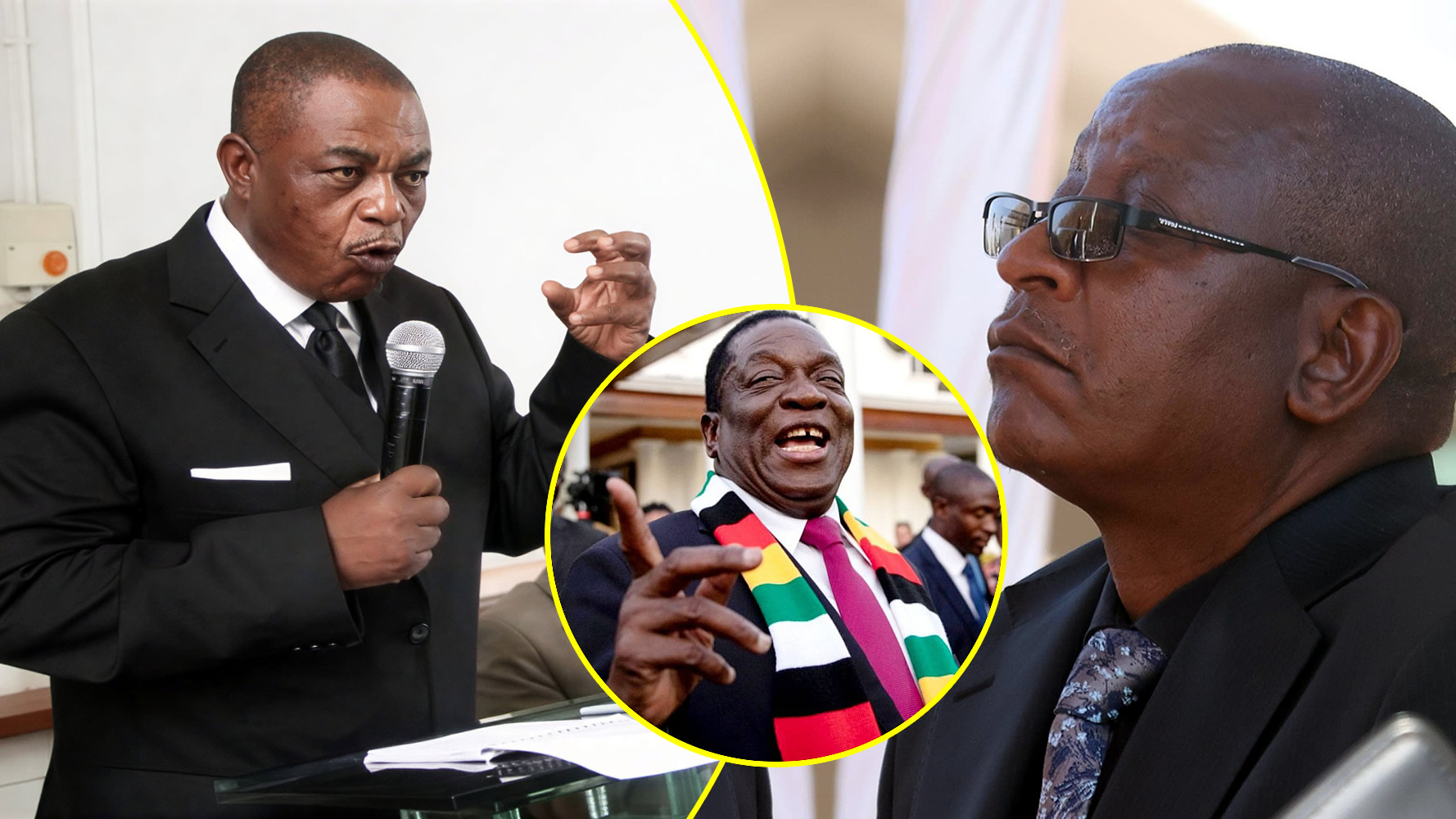
The signing of the Constitution of Zimbabwe Amendment (No. 3) Act, 2026, has rippled through the nation, but the real story is not just about the numbers; it is about the quiet death of the 2028 general election. By extending the presidential term from five to seven years and making it retroactive, the Second Republic has effectively cancelled the next scheduled vote, ensuring that President Emmerson Mnangagwa remains in power until at least 2030 without facing a ballot box.
Analysts say the “collective decision” reveals a deeply orchestrated plan within the ruling party to bypass public dissent. While the government frames this as a move for “stability” and “continuity” to complete Vision 2030, the hidden detail lies in the removal of the direct presidential election system, replacing it with a parliamentary-selected leader. This means your vote for a president has been silenced.
Political analysts have also revealed how this legal manoeuvre was fast-tracked through a compliant parliament, bypassing the need for a national referendum by using a technicality in the 2013 Constitution. The conspiracy here is not just about one man staying in power, but the systematic dismantling of the “one man, one vote” principle that many fought for during the liberation struggle. In this article, we will also simplify the complex legal jargon to show how this amendment creates a “Life Presidency” in all but name, leaving the opposition in a state of paralysis and the citizens wondering if they will ever see a ballot paper again.
The Illusion of a “Collective Decision”
President Emmerson Mnangagwa recently asserted that the constitutional amendment to extend his tenure by two more years was a “collective decision”. He stressed that Zimbabwe’s governance must remain anchored on collective decision-making, arguing that individualistic approaches have no place in the Second Republic. However, a closer look at the internal dynamics of the ruling ZANU-PF party and the broader political landscape suggests a different reality.
The push for the term extension, heavily promoted under the “ED2030” slogan, has not been universally embraced, even within the ruling party. Reports indicate that Vice-President Constantino Chiwenga resisted chanting the ‘ED2030’ campaign slogan, highlighting internal divisions over the move. Furthermore, the campaign has faced significant pushback from various quarters, including war veterans. In October 2025, eleven war veterans, vocal opponents of the constitutional amendments for Mnangagwa’s extended rule, were arrested, demonstrating the state’s intolerance for dissent on this issue.
The narrative of a “collective decision” appears to be a carefully constructed facade to mask a top-down directive aimed at consolidating power. The swift passage of the Constitution of Zimbabwe Amendment (No. 3) Bill through the Senate and the National Assembly, dominated by the ruling party, further underscores the lack of genuine broad-based consensus.
The Death of the 2028 Election and the “One Man, One Vote” Principle
The most alarming aspect of the Amendment (No. 3) Act is not merely the extension of the presidential term, but the fundamental alteration of how the President is chosen. The amendment abolishes direct presidential elections, replacing them with a system where the President is elected by Parliament. This effectively disenfranchises the Zimbabwean electorate, stripping them of their direct say in who leads the country.
This move is a direct assault on the “one man, one vote” principle, a cornerstone of the liberation struggle and the democratic aspirations enshrined in the 2013 Constitution. By shifting the power to elect the President from the people to a Parliament controlled by the ruling party, the amendment ensures that the executive remains insulated from direct public accountability.
The retroactive application of the seven-year term to the current President is another contentious issue. Section 328(7) of the 2013 Constitution explicitly states that an amendment extending a term limit cannot apply to the incumbent. However, the architects of the Amendment (No. 3) Bill employed a legal sleight of hand, stating that the proposed change “shall apply to the continuation in office of the President,” attempting to bypass this crucial safeguard. Legal experts argue that this manoeuvre is unconstitutional and amounts to an unconstitutional change of government.
The “Stability” Narrative and Vision 2030
The government has consistently framed the term extension as necessary for “stability” and the successful realisation of Vision 2030, an ambitious economic development plan. President Mnangagwa has frequently stated that Vision 2030 is on course to be attained through the collaboration of all sectors of the economy. The argument posits that a longer electoral cycle reduces “election mode toxicity” and allows the government to focus on long-term developmental goals.
However, critics argue that true stability stems from credible elections, strong institutions, and adherence to the rule of law, not from manipulating the constitution to prolong an individual’s stay in power. The “toxicity” surrounding Zimbabwean elections has historically been rooted in state-sponsored violence, partisan institutions, and disputed outcomes, issues that a term extension fails to address.
The use of Vision 2030 as a justification for the constitutional amendment is seen by many as a convenient pretext for power consolidation. The “ED2030” movement, championed by factions within ZANU-PF, has aggressively pushed the narrative that Mnangagwa is indispensable for the country’s economic progress, effectively conflating the nation’s future with the political survival of one man.
The Paralysis of the Opposition
The opposition, already weakened by internal divisions and state repression, finds itself in a precarious position following the passage of the Amendment (No. 3) Act. Former opposition leader Nelson Chamisa, who had previously contested the 2018 and 2023 election results, has faced criticism for his perceived soft approach in the face of these constitutional changes.
The abolition of direct presidential elections significantly diminishes the opposition’s ability to challenge the ruling party’s grip on the executive. With the President now elected by a Parliament where ZANU-PF holds a commanding majority, the opposition’s path to the presidency is effectively blocked. This structural disadvantage leaves the opposition struggling to articulate a viable strategy to counter the ruling party’s dominance.
A Betrayal of the 2013 Promise
The 2013 Constitution, overwhelmingly endorsed by Zimbabweans in a national referendum, was a beacon of hope, designed to prevent the personalisation of power and establish robust democratic safeguards. It introduced term limits, mandated direct presidential elections, and established independent commissions to oversee elections, human rights, and gender equality.
The Constitution of Zimbabwe Amendment (No. 3) Act, 2026, represents a profound betrayal of that promise. By extending the presidential term, abolishing direct elections, and weakening independent institutions like the Zimbabwe Electoral Commission and the Zimbabwe Gender Commission, the amendment systematically dismantles the democratic architecture painstakingly built in 2013.
The legal technicalities used to bypass the requirement for a national referendum on term limits further highlight the government’s disregard for the people’s will. The amendment creates a scenario where the President is unaccountable to the electorate, effectively establishing a “Life Presidency” in all but name.
As Zimbabwe navigates this perilous new political landscape, the citizens are left to ponder the future of their democracy. The quiet death of the 2028 general election and the silencing of the voters’ voices mark a dark chapter in the nation’s history. The 2030 secret is out, and its implications for Zimbabwe’s democratic future are profound and deeply concerning.