


VIRULENT FLU MISTAKEN FOR COVID-19 LASHES ZIMBABWE: FIVE DEAD IN BULAWAYO AS RESPIRATORY INFECTIONS SURGE NATIONWIDE
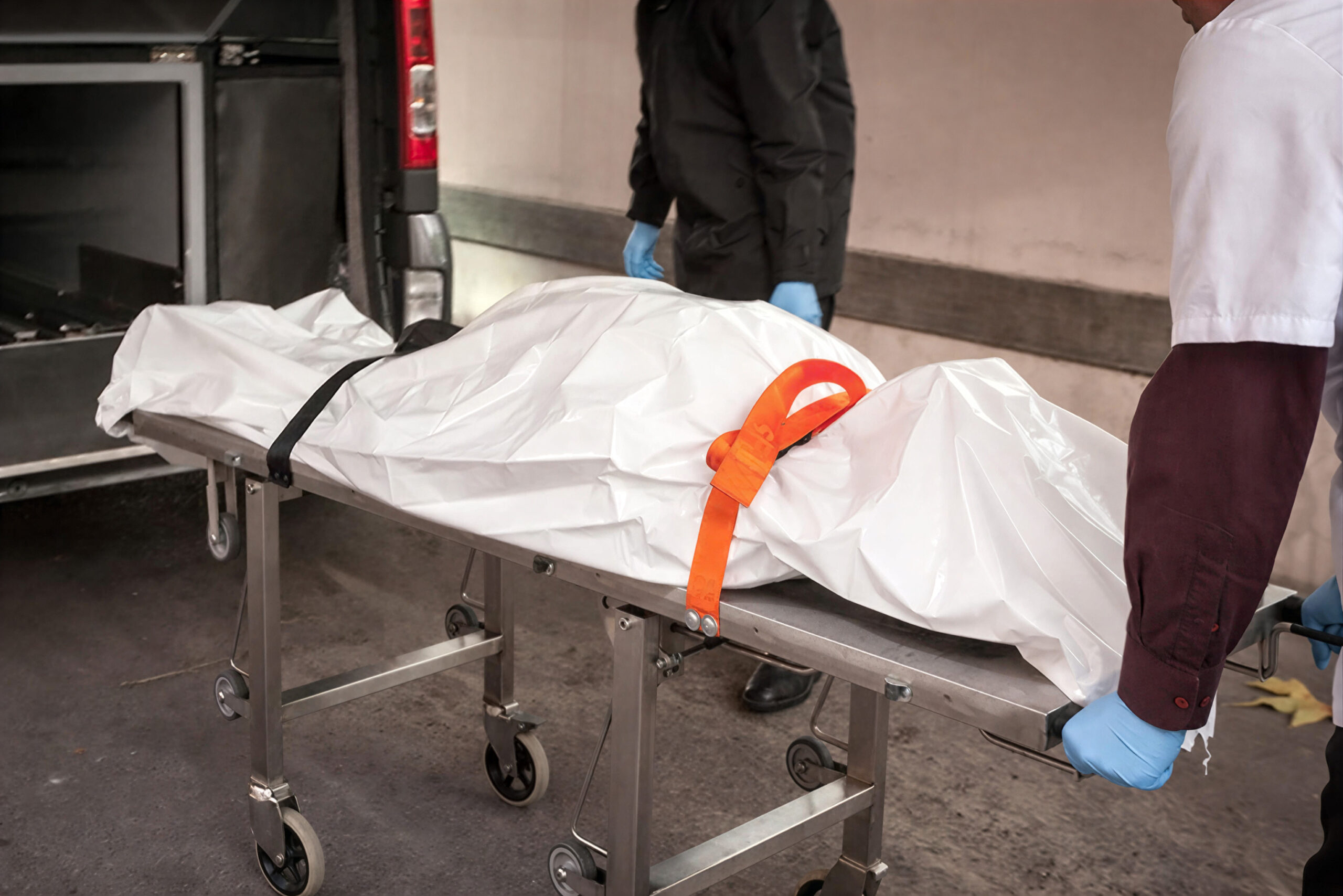
BULAWAYO — A lethal and fast-spreading respiratory illness, initially feared to be a resurgence of the COVID-19 pandemic, has claimed the lives of five individuals at Mpilo Central Hospital in Bulawayo. The outbreak, which has seen patient numbers skyrocket since May, is now being monitored with increasing urgency by health authorities as it spreads across the country, particularly affecting the most vulnerable members of the population.
At the heart of the crisis is Mpilo Central Hospital, one of Zimbabwe’s largest referral centres, where doctors have been working around the clock to manage a surge of more than 1,000 patients presenting with severe flu-like symptoms. While initial public fears suggested a new strain of the coronavirus, clinical evaluations have ruled out COVID-19, instead pointing towards a particularly aggressive seasonal influenza variant that appears to be mutating or behaving with unusual virulence.
Professor Solwayo Ngwenya, the Chief Executive Officer of Mpilo Central Hospital and a prominent voice in Zimbabwe’s medical community, described the illness as a “very nasty flu” that deviates significantly from the standard seasonal cold. According to Professor Ngwenya, the clinical progression of the virus is alarmingly rapid.
“There is an ongoing flu that most people have caught and are going to catch. It is indeed a very nasty flu. It starts like a usual flu, then after a few days you get this terrible sore throat that produces a lot of fluid and it is very painful. Some are not able to breathe properly, to swallow or drink much. It is also going into your lungs and you start coughing. We have recorded five deaths from this flu here at Mpilo since we started receiving patients,” said Professor Ngwenya.
The demographic data emerging from the hospital’s records paints a troubling picture of the outbreak’s trajectory. The number of cases has shown an exponential increase over the winter months. In May, the hospital treated 85 children for respiratory conditions; this figure rose to 257 in June and surged to a staggering 528 in July. Among adults, the numbers are lower but still climbing, with 38 cases in May, 41 in June, and 50 in July. However, medical experts warn that these figures likely represent only a fraction of the actual infection rate, as many adults tend to self-medicate at home rather than seeking professional medical intervention.
The severity of the symptoms has led to a rise in “community-acquired pneumonias,” a condition where the infection moves deep into the lower respiratory tract. Professor Ngwenya noted that the current virus appears to be targeting the trachea, larynx, and lungs, unlike previous strains that primarily affected the upper nostrils and nasal passages. “Those people who continue to develop this serious complication of failing to breathe, having a lot of secretions at the back of the throat must seek urgent medical care because this may cause deaths by failing to breathe properly,” he warned.
The outbreak comes at a time when Zimbabwe’s health infrastructure is already under immense pressure from other competing health crises. Recent data indicates a deadly surge in malaria cases across the country, driven in part by climate change and significant cuts in international aid. Between January and April 2026, Zimbabwe recorded 174 malaria deaths, nearly double the 85 deaths recorded during the same period in 2025. This dual burden of disease is stretching the resources of public hospitals to their limits.
Furthermore, the regional health landscape is currently fraught with tension. In the Democratic Republic of the Congo and parts of Uganda, an Ebola outbreak caused by the Bundibugyo virus has claimed approximately 1,800 lives as of early August 2026. While Zimbabwe has not recorded any cases of Ebola, the Ministry of Health and Child Care has intensified border surveillance and health screenings to prevent the cross-border transmission of highly infectious diseases. The proximity of such a devastating outbreak has heightened the sensitivity of the Zimbabwean public to any new respiratory or febrile illness.
In Harare and Manicaland, health departments have reported that respiratory infection cases have doubled in recent weeks, prompting authorities to launch urgent laboratory tests to identify the specific strains in circulation. While the Ministry of Health, led by Dr. Douglas Mombeshora, has urged the public not to panic — maintaining that the rise is consistent with seasonal winter patterns — other health experts are calling for a more robust response.
Itai Rusike, the Executive Director of the Community Working Group on Health (CWGH), emphasized that the current wave is a significant cause for concern, particularly for those with underlying conditions.
“There are vulnerable groups within the population who will end up with complications and deaths from influenza including the very young, the elderly, some disabled and the chronically sick of which there are many in Zimbabwe that require more attention and protection,” Rusike stated.
He further argued that Zimbabwe must join the Global Influenza Surveillance Network to improve its preparedness. “Lessons from COVID-19 remain relevant in terms of maintaining a clean safe environment to reduce infectivity; hand washing, sanitising, social distancing and wearing of face masks around those with flu,” he added.
One of the most significant challenges facing health officials is the widespread practice of self-medication. Many Zimbabweans, wary of the costs associated with hospital visits, have turned to over-the-counter “flu packs” that often contain antibiotics. Professor Ngwenya issued a stern warning against this practice, noting that antibiotics are ineffective against viral infections like the flu and can lead to dangerous complications.
“The flu starts off as a normal flu, but over time, people get a bacterial infection but they then must see a doctor and get prescribed antibiotics themselves. Sometimes after a viral infection bacteria then sets in which can actually kill you because the virus has actually weakened you. I do not encourage people buying antibiotics over the counter,” Ngwenya cautioned.
The clinical picture is further complicated by the fact that the symptoms of this “nasty flu” closely mirror those of the early variants of COVID-19, leading to widespread anxiety in communities that were devastated by the pandemic just a few years ago. The memory of the 2021 surge, which saw thousands of deaths across the country, remains fresh in the minds of many. However, health experts clarify that the current surge is a severe seasonal strain, not a resurgence of the coronavirus.
As the winter season draws to a close, the Ministry of Health and Child Care has advised the public to maintain the preventive measures that became commonplace during the pandemic. Regular handwashing, the use of alcohol-based sanitisers, and the wearing of face masks in crowded areas are being recommended once again. For parents, the advice is even more specific: prompt medical attention is required if a child shows signs of difficulty breathing, refuses to feed, or exhibits unusual drowsiness.
The situation at Mpilo Central Hospital serves as a stark reminder of the evolving nature of infectious diseases in Southern Africa. With seasonal flu hitting “ahead of schedule” in neighbouring South Africa and claiming thousands of lives annually in the region, the need for a coordinated, data-driven response has never been greater. For now, the focus remains on containment and the protection of those most at risk, as Zimbabwe navigates yet another health challenge in an increasingly complex global environment.
The Ministry of Health continues to monitor the situation through its national disease surveillance system, promising regular updates as more laboratory results become available. In the meantime, the halls of Mpilo Central Hospital remain a frontline in a battle against an invisible, yet deadly, adversary that has already left five families in mourning.
Key Public Health Advice from the Ministry of Health and Child Care:
- Isolation: If you exhibit symptoms, isolate immediately to prevent infecting others.
- Ventilation: Ensure homes and workplaces are well-ventilated.
- Medication: Avoid self-prescribing antibiotics; use paracetamol for fever and seek medical advice for worsening symptoms.
- Hygiene: Maintain rigorous hand hygiene and cover your mouth when coughing or sneezing.
- Urgent Care: Seek immediate help for chest pain, convulsions, severe weakness, or confusion.