


CHITUNGWIZA — The smell of charred wood and melted plastic still hangs heavy in the air of Unit N, a bustling suburb in the heart of Chitungwiza. For many, this house was a shrine to a musical legend, a place where the echoes of the “Smoko” sound once resonated. But today, the home of the late sungura icon, Fanuel “System” Tazvida, stands as a grim reminder of how quickly a legacy can be threatened by the flickering tongue of an inferno.
On a quiet Thursday afternoon, while the sun beat down on the dusty streets of Chitungwiza, a devastating fire tore through the residence. Four rooms, once filled with the memories of a man who revolutionised Zimbabwean music, were reduced to blackened shells. Property worth thousands of dollars, including irreplaceable mementoes of a career that spanned decades, vanished in a matter of minutes.
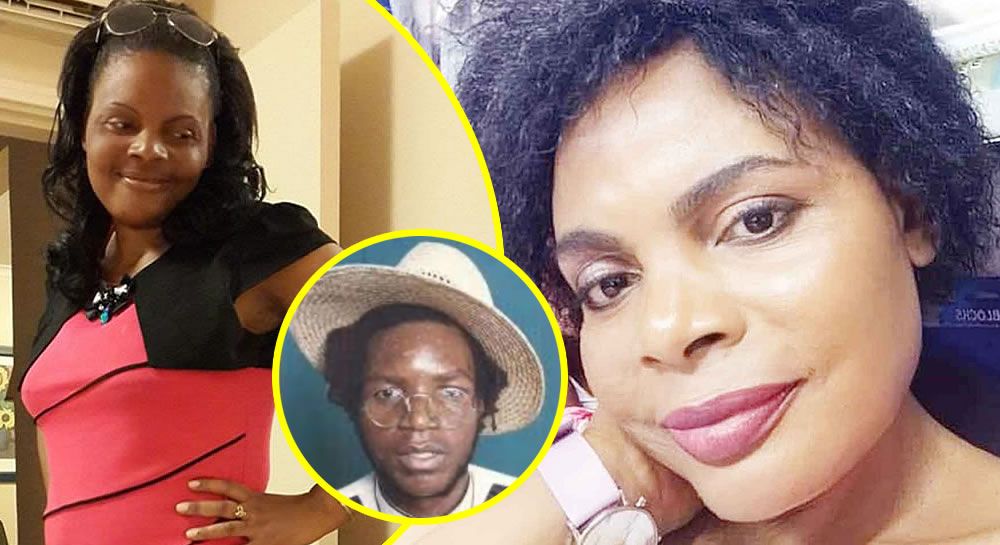
Yet, as the smoke cleared and the scale of the tragedy became apparent, a bizarre and somewhat unsettling phenomenon began to unfold on social media. Instead of a collective outpouring of grief or a rallying cry for support, the digital conversation took a sharp, unexpected turn. The tragedy of the fire was swiftly eclipsed by a heated debate over the physical appearance of the woman at the centre of the storm: System Tazvida’s widow, Barbara Mabuyaye.
The Spark in the Dark
The fire broke out while Barbara was away at work, trying to make ends meet in an economy that has not been kind to the families of departed artists. According to eyewitness accounts and Barbara’s own testimony, the blaze originated in a room occupied by System’s younger brother, Isaac Tazvida.
Isaac, who was one of the members of the famed Chazezesa Challengers, was reportedly the only person in the house when the fire started. The cause? An overheated stove that was left unattended. But the details surrounding his state at the time have added a layer of controversy to an already painful situation.
“Words are not enough to explain the pain that I am going through at the moment,” Barbara said, her voice trembling with the weight of the ordeal. “Part of my house was damaged by fire while I was away at work. Babamunini Isaac was in the house when the inferno started. I was told the fire was caused by an overheated stove in his room, which later spread and damaged four rooms. The window panes were shattered and some of my property was destroyed.”
The investigative trail leads to a darker narrative. Neighbours who rushed to the scene to douse the flames reported a scene of chaos and negligence. Barbara herself did not mince words when describing the circumstances.
“The fire was a bit mysterious because my bedroom was not damaged,” she noted, pointing to the selective path of the destruction. “From what I gathered from neighbours, Babamunini Isaac was drunk when the fire broke out. He did nothing to extinguish the fire because he was heavily intoxicated. My neighbours are the ones who did their best to put out the fire. I would like to thank my neighbours for the wonderful job they did.”
A Legacy Under Siege
This is not the first time the Tazvida legacy has faced a trial. Since System’s untimely death on February 4, 1999, at the young age of 31, his family has been haunted by a series of tragedies. His successor and younger brother, Peter Tazvida, who attempted to keep the Smoko flame alive, passed away just three years later in 2002. Now, Isaac, the last of the musical brothers, finds himself at the centre of a domestic disaster that has left their family home in ruins.
System Tazvida was more than just a musician; he was a social commentator who spoke for the common man. His hits, such as Anodyiwa Haataure, Mushandi Ndimambo, and the iconic Dzvuke, were anthems of love, labour, and the daily struggles of life in Zimbabwe. The name “Smoko” itself suggested a music that was “smoking hot,” a blend of sungura, mbaqanga, and traditional rhythms that could move the feet and the soul.
However, the reality for his widow has been anything but “smoking hot.” For 27 years, Barbara Mabuyaye has walked the lonely path of a musician’s widow, a role that in Zimbabwe often comes with more hardship than honour.
The “Top Soup” Controversy
When H-Metro posted the news of the fire on their Facebook page, the comments section became a theatre of the absurd. Rather than discussing the loss of property or the welfare of the family, hundreds of men began to “drool” over Barbara’s photos, marvelling at how she has maintained her beauty decades after her husband’s passing.
The comments, ranging from the complimentary to the outright “cheeky,” highlighted a societal disconnect. One reader, Troy Taffah KP, remarked: “Murume akafa 1999 but iye she’s still top soup…haaa mukadzi anogeza uyu.”
Another user, Vibing na Vickella, jokingly asked for directions under the guise of helping: “Ndokumbirawo address yake ndoda kubetsera kutsvaira madota.”
The references to System’s songs were frequent. Lenny Matterhorn commented: “Ndiye akaimbwa kuti Dzvuke uchandiurayisa, Barbra Tazvida.” Others, like Simboti Simboti, claimed to finally understand the late musician’s inspiration: “Ndazonzwisisa why Tazvida aiimba masongs ekurumbidza vakadzi. He had one beautiful one paden.”
While some might see these comments as harmless banter, for Barbara, they represent a form of cyberbullying that she has fought for years. The focus on her looks, while her home lay in ashes, was a stinging reminder of the superficiality that often surrounds public figures and their families.
The Wider Struggle: A Pattern of Pain
The plight of Barbara Mabuyaye is not an isolated incident. Across Zimbabwe, the widows of musical legends often find themselves in a perpetual battle for survival, property, and respect.
Consider the case of the late Soul Jah Love. Following his death in 2021, his estate became the subject of a bruising tussle. His cars were repossessed, and his nearly completed house in Stoneridge became a point of contention among relatives, leaving his family in a state of flux. Similarly, the widow of John Chibadura, Maria Adebusola Olanrewaju, once lamented being sidelined by her late husband’s relatives, struggling to access the funds and royalties that were rightfully hers.
Even the national hero, Oliver “Tuku” Mtukudzi, left behind a legacy that was briefly marred by public debates over his will and the treatment of his children by his widow, Daisy. While Daisy was granted the properties, the public scrutiny she faced was intense, often bordering on vitriolic.
Property grabbing remains a rampant issue in Zimbabwe. According to Human Rights Watch, many widows are routinely evicted from their homes and land by in-laws who claim the property their husbands left behind. For the widows of musicians, this is often compounded by the fact that their husbands’ wealth was tied up in royalties and equipment—assets that are easily “stripped” by those with more power or legal knowledge.
The Resilient Widow
In response to these systemic challenges, Barbara Mabuyaye helped form the Widows of Musicians Association in September 2025. Alongside other prominent widows like Christine Matongorere (widow of Moses Rwizi), Esther Musango (widow of Daiton Somanje), and Ratidzo Tecla Marasha (widow of Biggie Tembo), the association aims to empower women who have been left to safeguard the legacies of the country’s greatest artists.
“I didn’t want to bring this matter to the public because social media trolls always end up calling me all sorts of names,” Barbara admitted, reflecting on her initial hesitation to seek help after the fire. “I have been a victim of cyberbullying but right now things are not well for me. I can’t stand this anymore but I know God has a reason for everything.”
Her resilience is forged in the fires of necessity. Since 1999, she has survived through buying and selling, a common but precarious trade. “After losing my husband, I learnt the hard way that I had to work hard. I am involved in buying and selling but, like everyone else, we face many challenges in life. In my case, I have learnt to be hardworking and I will always do my best to provide for myself.”
A Call for Action
The fire in Chitungwiza is more than just a domestic accident; it is a wake-up call. It highlights the lack of social safety nets for the families of cultural icons who have given so much to the nation. While the Zimbabwe Music Rights Association (ZIMURA) has made strides in providing some financial support, the gap between royalties and a sustainable living remains vast.
As Barbara Mabuyaye begins the slow process of clearing the ashes and rebuilding her four damaged rooms, she does so with a faith that has been tested but not broken. “My relationship with God is now at another level and I can’t thank Him enough,” she says.
The “Smoko” sound may be a memory, but the woman who inspired the lyrics of Dzvuke is very much alive, fighting to preserve what remains of her home and her husband’s history. The men who drool over her photos may see a “top soup” beauty, but those who look closer see a woman of steel, tempered by 27 years of widowhood and the recent flames of tragedy.
In the end, the story of the fire at the Tazvida house is not just about a stove or a drunken relative. It is about the fragility of legacy in a society that often values the art more than the artist’s family. It is a story of a widow who refuses to be defined by the smoke, standing tall among the ruins, waiting for the community to see her not just for her face, but for her strength.
How You Can Help: Barbara Mabuyaye is currently appealing to well-wishers for assistance in rebuilding her home in Unit N, Chitungwiza. Those wishing to assist can reach out through the Widows of Musicians Association or local community leaders.